EV Battery

EV Traction Battery Pack

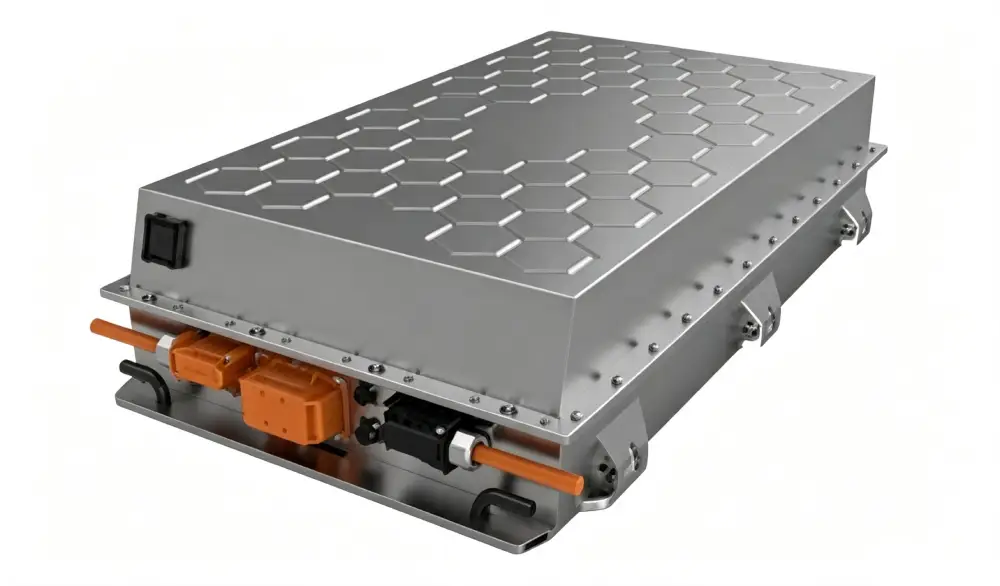
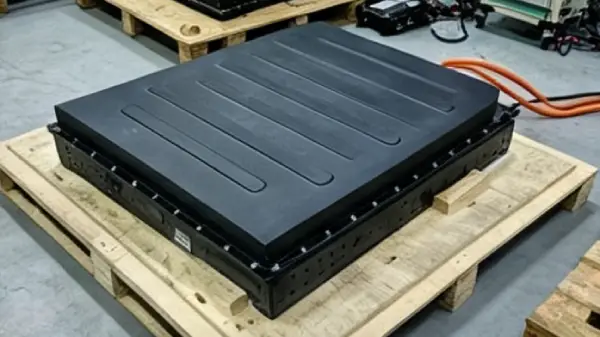
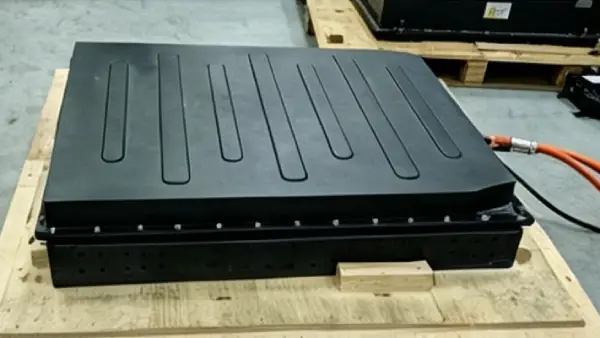
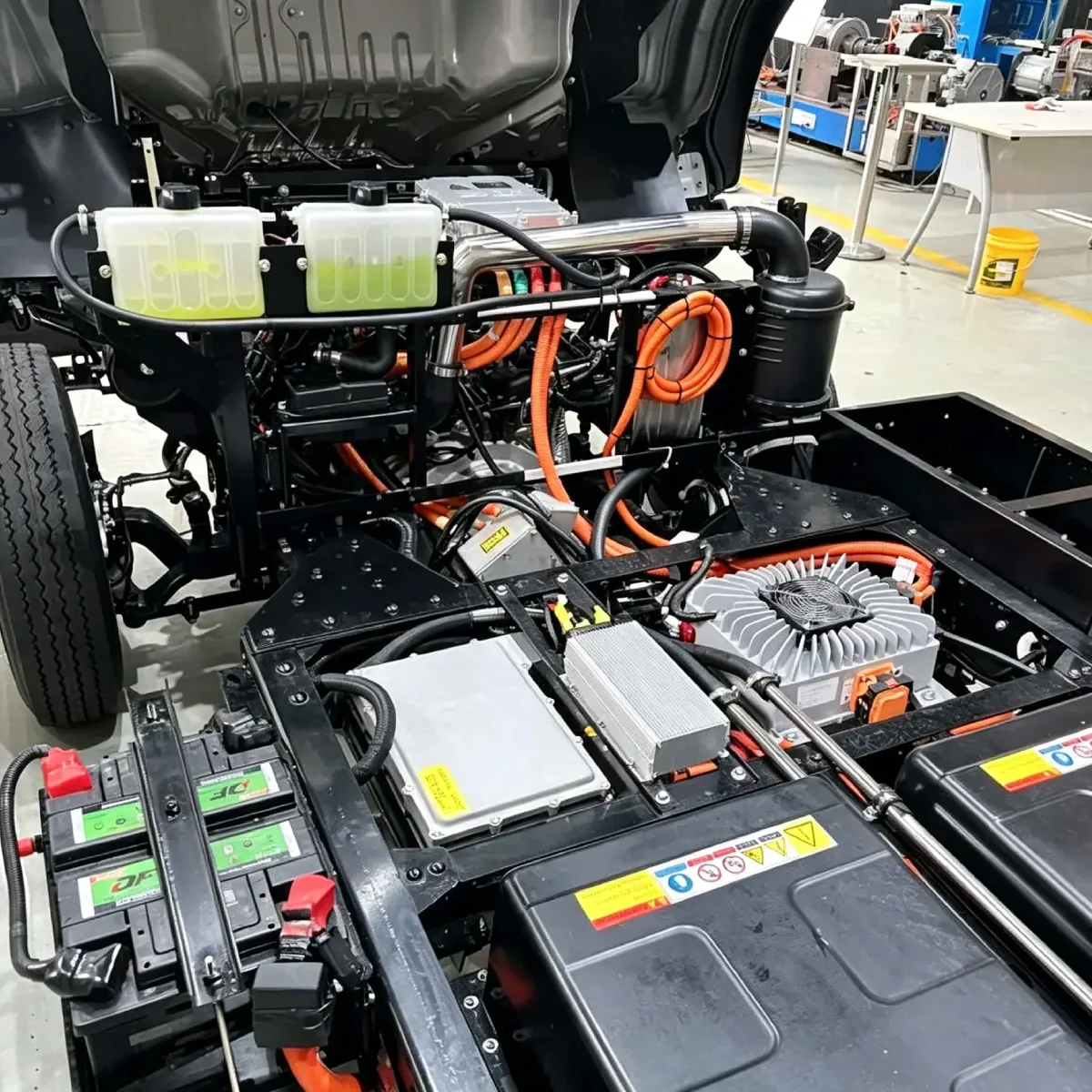
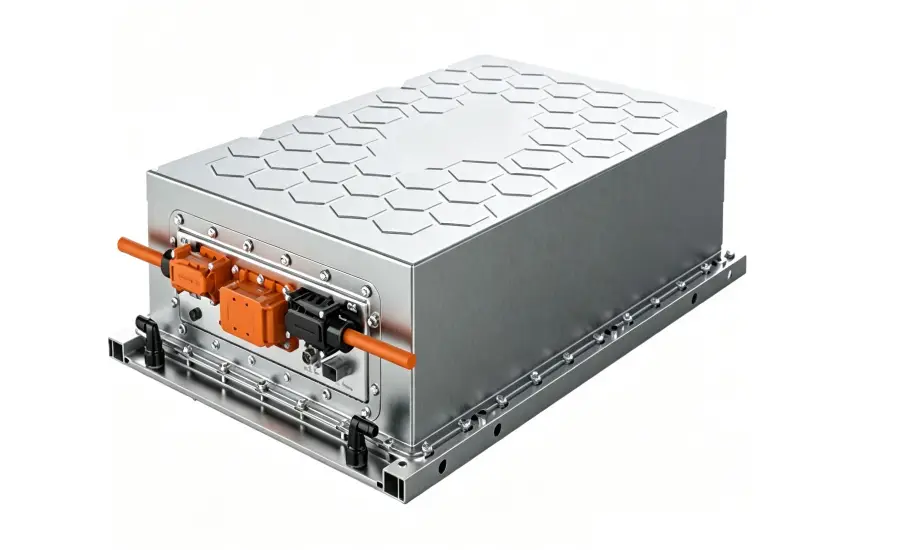
We provide traction battery packs for commercial electric vehicles, with configurations designed for different vehicle platforms and operating requirements. The traction battery packs integrate LFP battery cells, liquid cooling, structural enclosure, and battery management systems into a complete high-voltage energy storage system. The integrated design addresses key requirements for commercial EV applications, including thermal management, structural protection, electrical safety, cell-level monitoring, and battery system control.
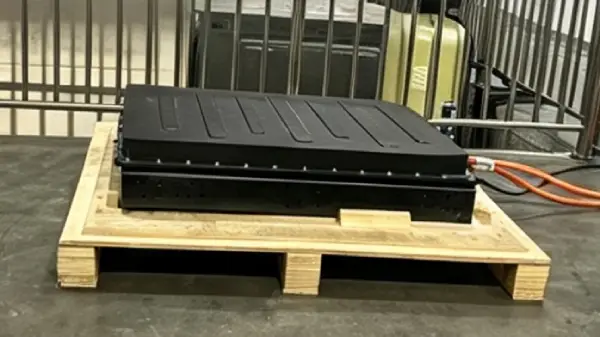
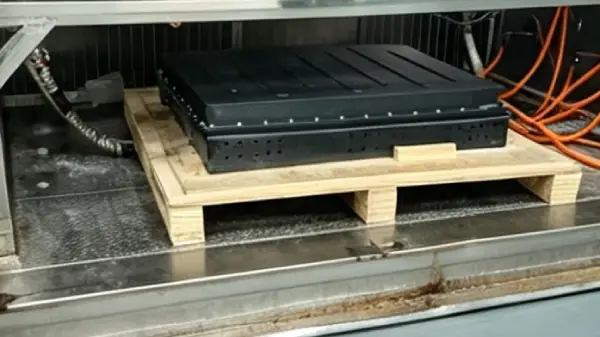
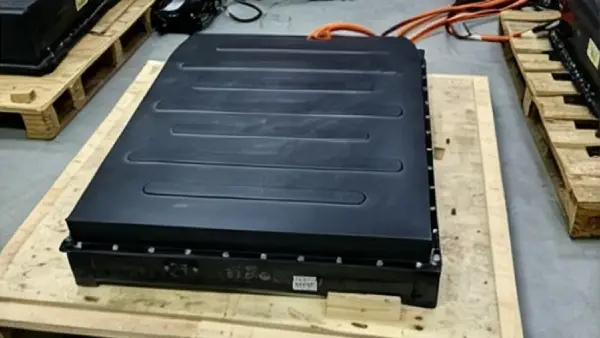
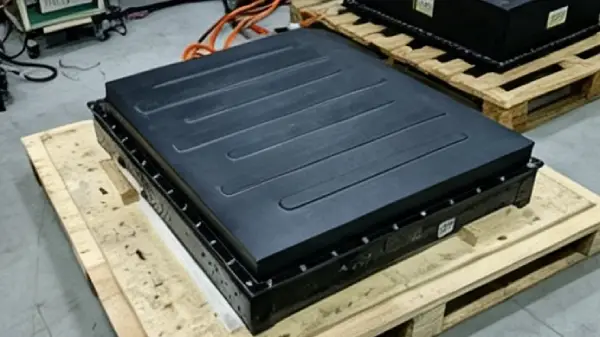
Jenwyn Tech EV Traction Battery Pack
  • Integrated Liquid Cooling

    The traction battery pack uses an integrated liquid-cooling structure to manage cell temperature and improve thermal uniformity. The cooling system is incorporated into the battery enclosure to optimize both thermal performance and structural packaging.

  • Lightweight & Integrated Structure

    The battery enclosure combines aluminum structural profiles with the cooling system to reduce redundant components and improve pack-level integration. The design supports lightweight construction while maintaining the structural requirements of commercial EV applications.

  • Intelligent Battery Management

    The BMS provides cell-level monitoring, balancing, fault diagnostics, state estimation, and high-voltage protection. Its distributed architecture supports accurate battery monitoring and rapid response to abnormal operating conditions.

Traction Battery Pack - Key Technical Features

01. Integrated Liquid Cooling

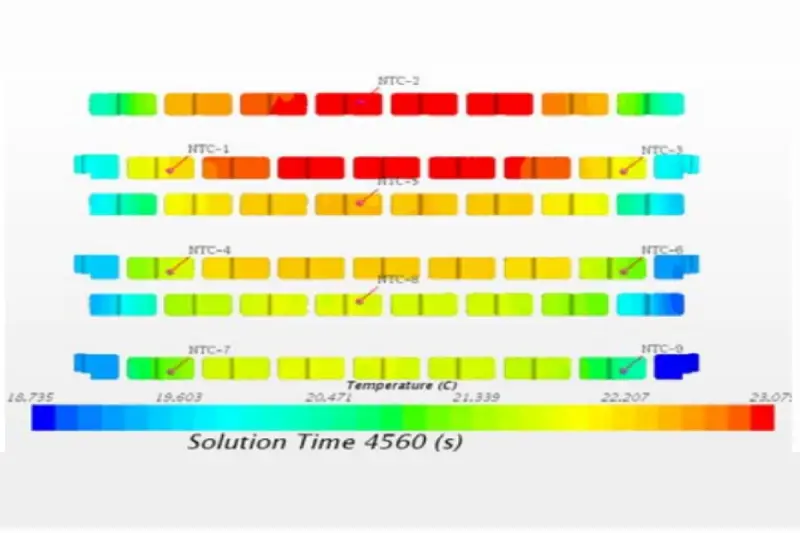
Bottom liquid cooling provides uniform cell temperature control, with a maximum cell temperature difference of ≤5°C. The cooling structure is integrated into the battery enclosure.

02. Integrated Structural Design

The liquid cooling plate is integrated with the battery enclosure for combined thermal and structural functions. The design meets the requirements of GB/T 31467.3-2015.

03. Lightweight & High-Density

A simplified pack structure reduces redundant components by approximately 30%, while the cell-to-pack mass ratio can exceed 85%.

04. BMS & Battery Monitoring

The BMS provides cell monitoring, state estimation, fault diagnostics, balancing, and high-voltage protection, with millisecond-level emergency HV disconnection in critical fault conditions.

05. Battery Safety

The pack uses LFP cells with integrated electrical, thermal, and system-level protection to address thermal runaway and other battery safety risks.

06. Automated Manufacturing

Automated production processes improve assembly consistency and process control across key battery pack manufacturing stages.
Jenwyn Tech EV Traction Battery Pack CFD Simulation
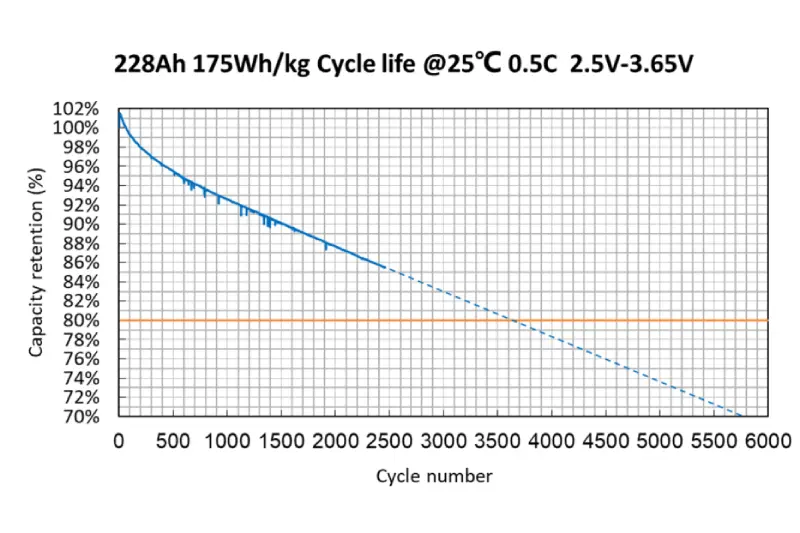
Jenwyn Tech EV Traction Battery Cell Cycle Life
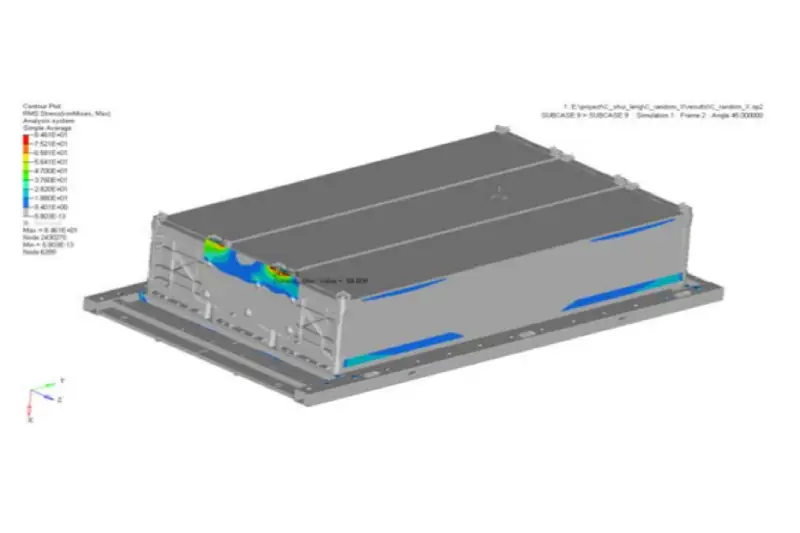
Jenwyn Tech EV Battery Pack CAE Simulation

Traction Battery Pack - Technical Specifications

Key specifications of the battery cells and standard traction battery pack are provided below for technical reference.

01

Battery Cell

Item
Specifications
Model
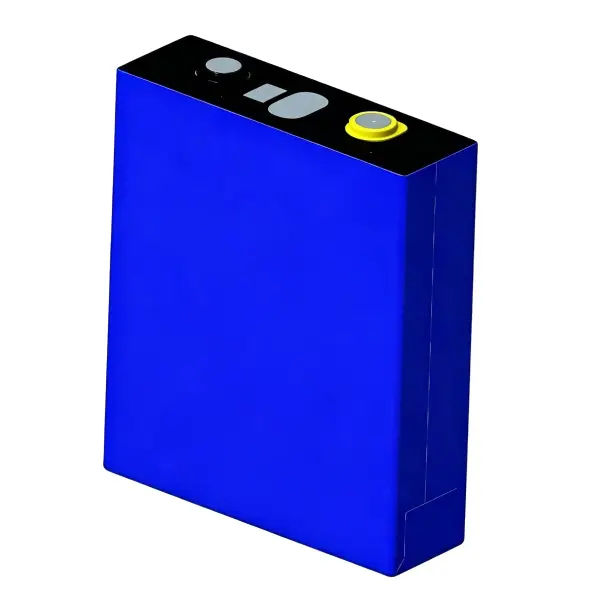
Jenwyn Tech EV LFP Battery Cell
206 Ah
228 Ah
304 Ah
Dimension
53.8*174.2*207.1 mm
53.8*174.2*207.1 mm
71.8*173.9*207.3 mm
Weight
≤4.2 kg
≤4.3 kg
≤5.36 kg
Capacity
206 Ah
228 Ah
304 Ah
Energy
659 Wh
734 Wh
978 Wh
SoC Window
0% ~ 100%
Upper Voltage Limit
3.65 V
Nominal Voltage
3.22 V
Lower Voltage Limit
2.5 V
Gravimetric Energy Density
160 Wh/kg
175 Wh/kg
175 Wh/kg
Cycle Life
≥3000cycle,1C/1C,100% DOD,25℃,80%SOH
Continuous Charge/Discharge Rate
1C

02

Battery Pack - C Box

Item
Specifications
Cell Model
Jenwyn Tech Standard C Box Traction Battery Pack
206 Ah
228 Ah
304 Ah
Nominal Voltage
153.6 V
154.56 V
115.92 V
Energy
31.641 kWh
35.239 kWh
35.239 kWh
Weight
226±3% kg
233±3% kg
230±3% kg
Energy Density
≥140 Wh/kg
≥150 Wh/kg
≥155 Wh/kg
Configuration
1P48S
1P48S
1P36S
Continuous Charge/Discharge Rate
1C
Peak Discharge C-Rate
2C/30S
Thermal Management
Liquid Cooling / Electric Heating
Protection Level
IP68
Envelope Dimensions
(1060±10)*(630±10)*(240±5) mm

03

Battery Pack - G Box

Item
Specifications
Cell Model
Jenwyn Tech EV Traction Battery Pack
206 Ah
228 Ah
304 Ah
Nominal Voltage
124.8 V
125.58 V
96.6 V
Energy
25.708 kWh
28.632 kWh
29.366 kWh
Weight
185±3% kg
191±3% kg
189±3% kg
Energy Density
≥140 Wh/kg
≥150 Wh/kg
≥155 Wh/kg
Configuration
1P39S
1P39S
1P30S
Continuous Charge/Discharge Rate
1C
Peak Discharge C-Rate
2C/30S
Thermal Management
Liquid Cooling / Electric Heating
Protection Level
IP68
Envelope Dimensions
(950±10)*(630±10)*(240±5) mm

Traction Battery Pack - BMS Design & Architecture

The battery management system (BMS) for our traction battery pack is based on a 1-master, 2-slave hardware architecture, with more than 99% automotive-grade components and an ultra-low master-controller quiescent current of approximately 50 μA at 12 V. The hardware platform is designed with ASIL D capability, while the system functions are designed to support ASIL C requirements. The development process also supports Automotive SPICE (ASPICE) Level 2 practices, with a modular architecture that provides flexibility for different battery configurations.

Master Control Unit

Jenwyn Tech Traction Battery System BMS Master Control Board

Slave Control Unit​

Jenwyn Tech Traction Battery System BMS Slave Control Board

Traction Battery Pack Safety Testing & Validation

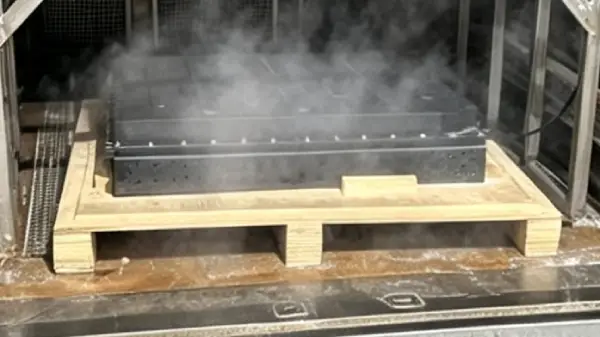
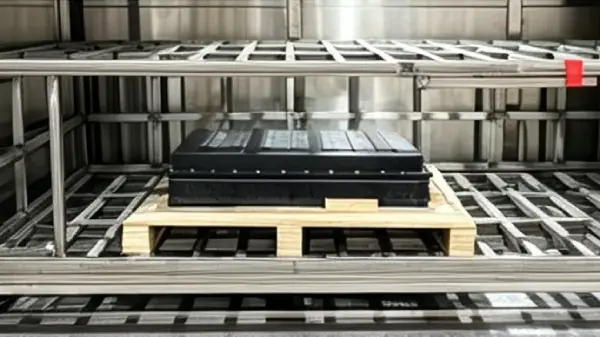
Our traction battery pack safety is validated through a comprehensive range of mechanical, environmental, electrical, and thermal safety tests. PACK-level testing is conducted in accordance with applicable requirements of GB 38031-2020, covering vibration, mechanical shock, simulated collision, crushing, immersion, external fire, thermal propagation, temperature shock, salt spray, and electrical protection conditions.

The validation program evaluates key safety indicators including enclosure integrity, leakage, insulation resistance, abnormal termination conditions, and thermal runaway response. For thermal propagation testing, the system is required to provide a thermal event warning signal at least 5 minutes before thermal runaway, with PACK-level thermal runaway performance meeting the specified no-fire and no-explosion criteria.

Testing & Validation Scope

Engineering Support for EV System Integration

Jenwyn Tech Engineering Services for EV systems

We support customers throughout the EV development process, from electric powertrain selection to vehicle integration. With proven commercial vehicle electrification experience, our engineering team provides system recommendations, integration support, and technical documentation to accelerate the development of reliable electric drive solutions.

Application Assessment

Integration Support

Frequently Asked Questions

Our traction battery packs are designed for commercial electric vehicle applications, including buses, trucks, logistics vehicles, and other electric commercial vehicle platforms. Battery configurations can be matched to different vehicle requirements and operating conditions.

Yes. Battery voltage, energy capacity, series/parallel configuration, and other key parameters can be configured according to the vehicle platform and application requirements. Customized configurations should be evaluated based on the specific project specifications.

The BMS uses a 1-master, 2-slave architecture with a modular hardware platform. The system supports high-accuracy cell voltage monitoring, cell balancing, fault diagnostics, and multiple electrical protection functions, with a scalable architecture supporting different battery configurations.

The BMS supports monitoring and protection functions including overtemperature, overcurrent, overvoltage, undervoltage, external short circuit, overcharge, overdischarge, and cell-level fault diagnostics. The system also incorporates pre-charge, active discharge, and multi-level safety monitoring functions.

PACK-level safety validation covers mechanical, environmental, electrical, and thermal conditions. Testing includes vibration, mechanical shock, simulated collision, crush, immersion, external fire, thermal propagation, temperature shock, salt spray, high-altitude operation, and electrical protection tests in accordance with applicable standards.

Yes. Depending on the project, customization can cover battery configuration and other product-level requirements. The feasibility and scope of customization need to be evaluated based on the vehicle platform, technical requirements, and project conditions.
For a project evaluation, customers should provide the relevant vehicle and application requirements, such as vehicle type, operating conditions, required battery voltage, energy requirements, power requirements, packaging constraints, and other available technical specifications. This information helps determine whether a suitable battery configuration can be proposed.

Yes. Technical support is available for the integration of the supplied battery system, including technical documentation, interface definitions, communication information, and troubleshooting support during system commissioning and debugging.

Have an EV System Requirement?

Looking for an EV system for your vehicle application? Reach out to our team to discuss your requirements and explore how we can support your project.
Scroll to Top