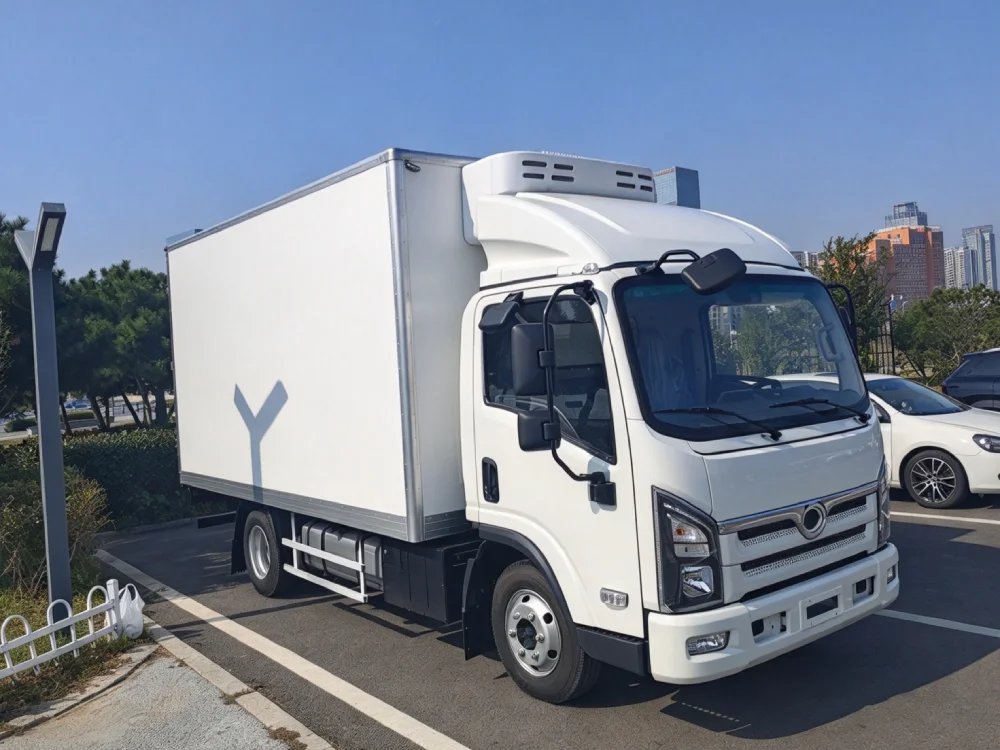
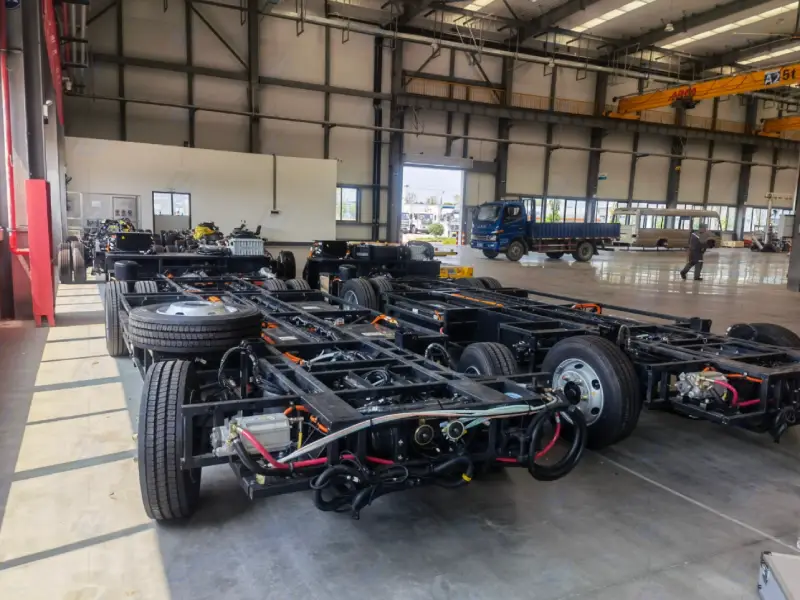
Electric Van Chassis

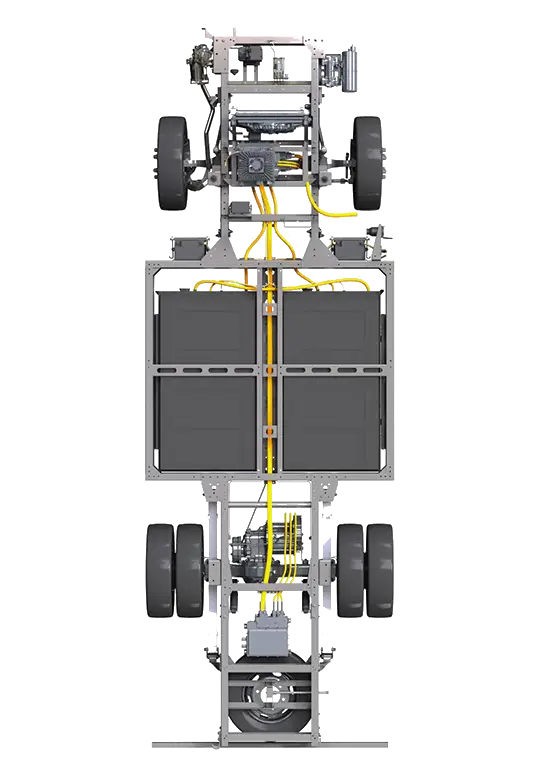
Provides the traction power and torque required for vehicle operation.

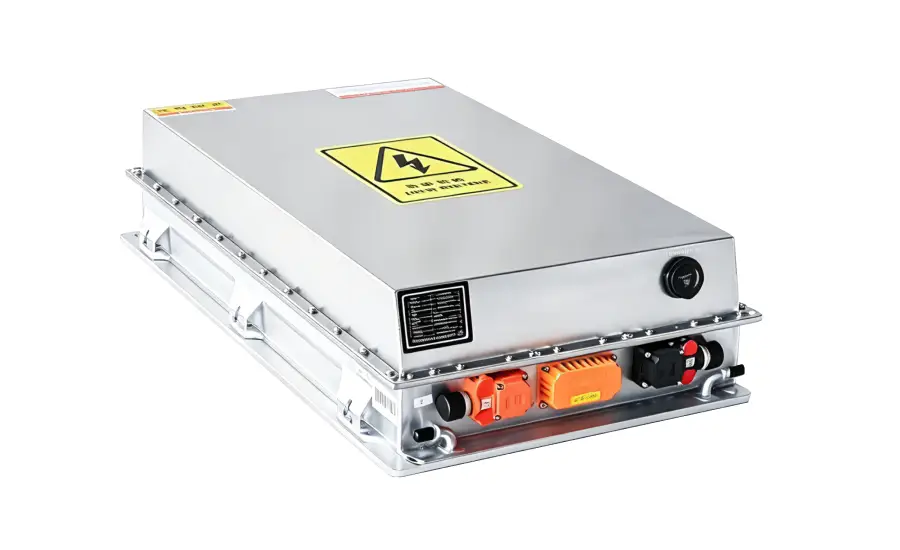
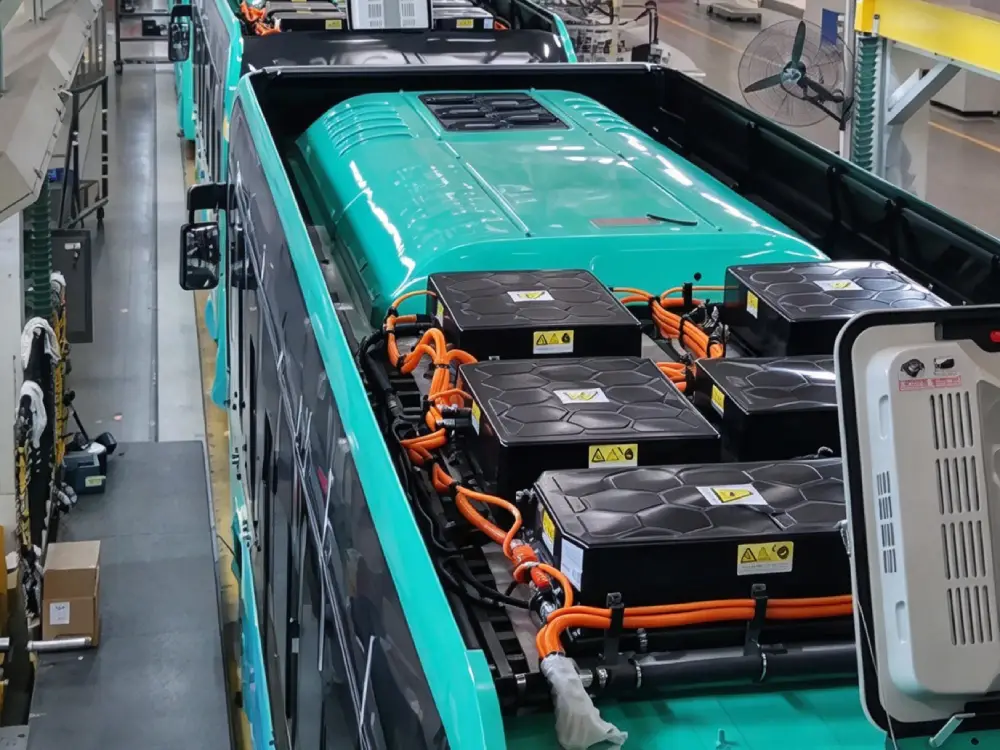
Stores and supplies electrical energy for traction and other vehicle systems.

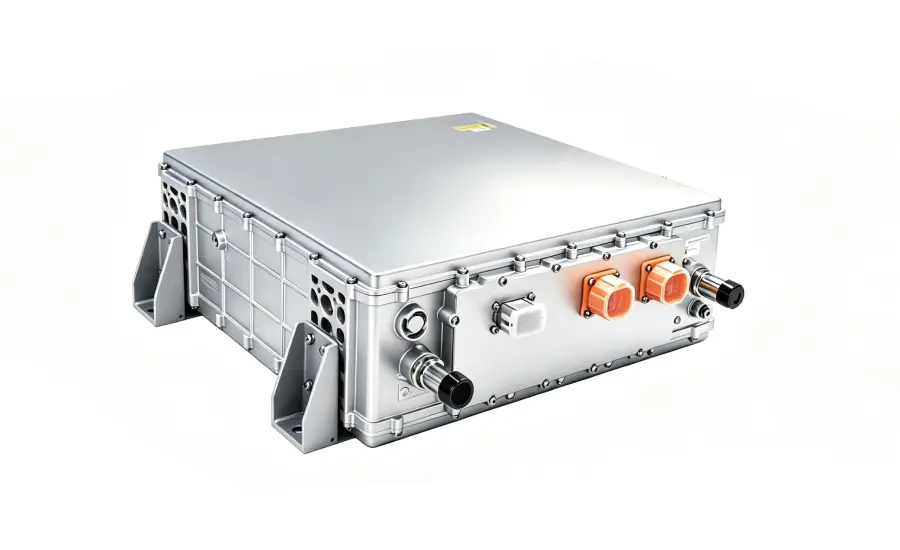
Controls, converts, and distributes electrical power across the vehicle.

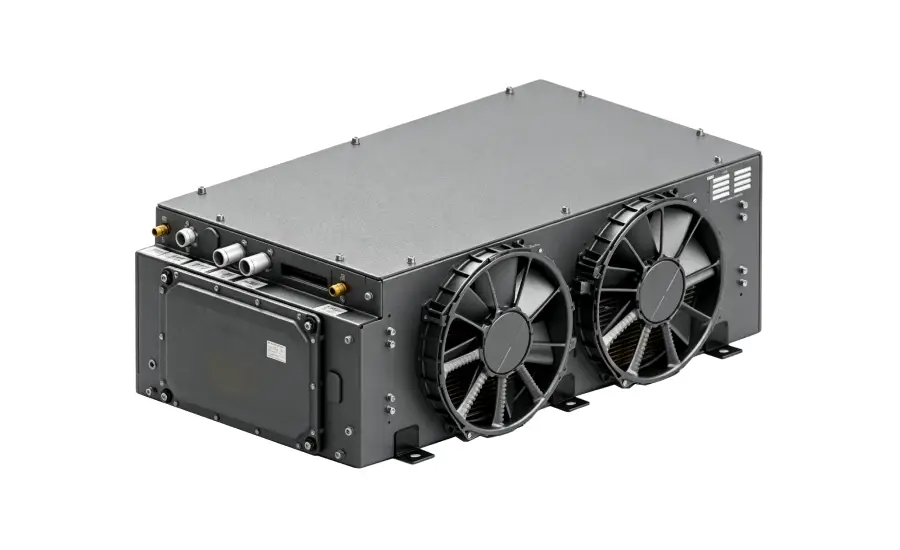
Supports thermal management and essential vehicle functions for reliable operation.

Integrated electric bus and truck chassis solutions designed to accelerate vehicle development, shorten development cycles, and reduce engineering costs.
Our EV systems are based on established product platforms and have been applied across commercial and off-highway vehicle projects. This application experience provides a practical foundation for evaluating system suitability across different vehicle platforms and operating conditions.
Through projects covering different vehicle types, duty cycles, payloads, and operating environments, we have developed a practical understanding of varying system requirements. This experience helps us identify suitable products and system configurations for different applications.
We work with OEMs, electric vehicle manufacturers, engineering partners, and system integrators across different project stages, from initial product evaluation and prototype programs to pilot production and ongoing supply.
We work with customers through a structured process that combines application assessment, technical confirmation, product preparation, quality control, and application support. This allows us to align our products with project requirements and support customers from initial inquiry through vehicle application.
Customers provide the vehicle, application, operating conditions, performance targets, and other key project requirements. We review the project background and clarify the requirements with the customer team.
We assess the technical requirements, application conditions, and project feasibility, and determine whether our existing products or system configurations can meet the intended application.
When a suitable solution is identified, we work with the customer's technical team to confirm product specifications, interfaces, operating conditions, and other application details before moving forward.
Once the technical requirements are confirmed, we provide a quotation and proceed with production after order confirmation. Products are prepared and inspected according to the agreed requirements before shipment.
We coordinate product shipment with the customer and provide support during system integration. If technical or product-related issues arise during integration, we work with the customer team to clarify and resolve them.

Electric Van Chassis
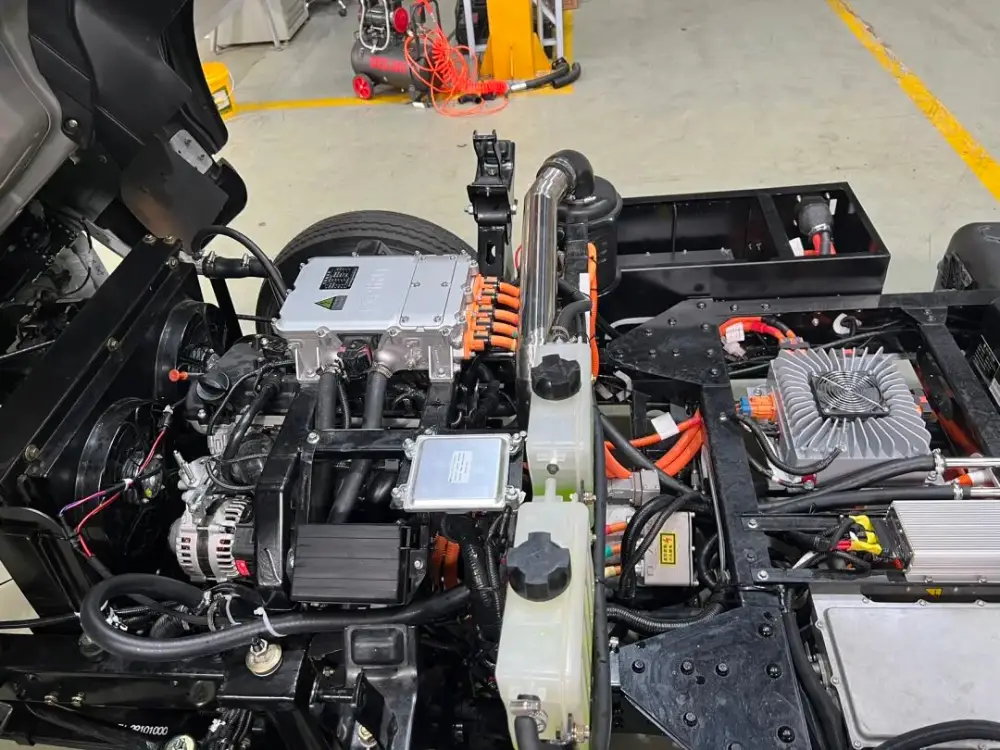
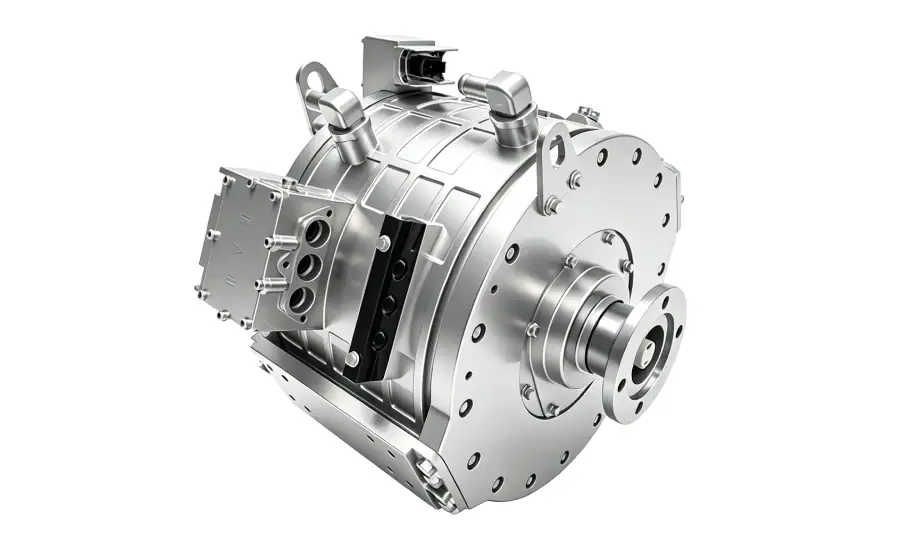
Electric Truck Chassis
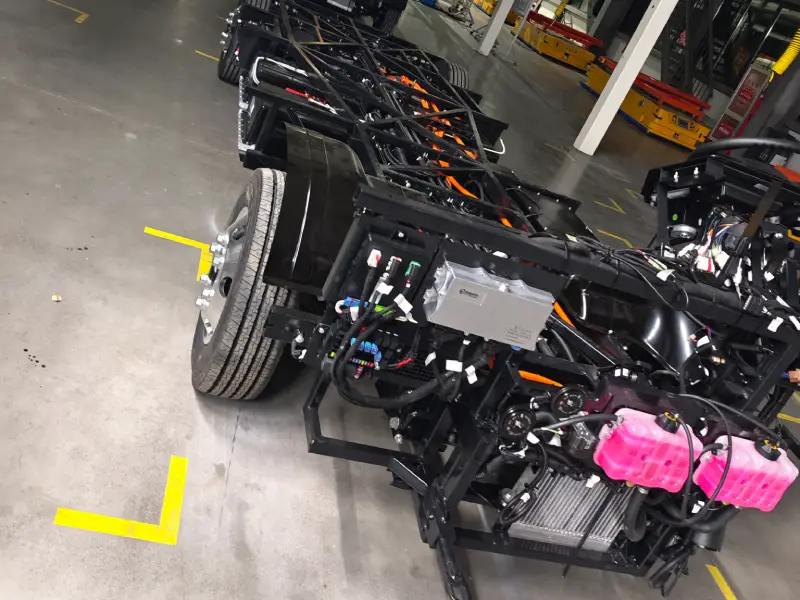
Electric Bus Chassis
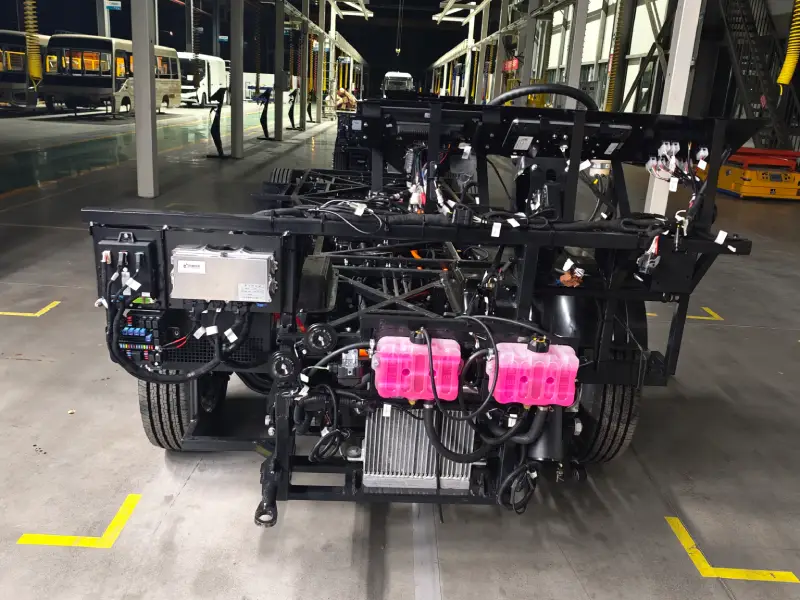
Electric Bus Chassis
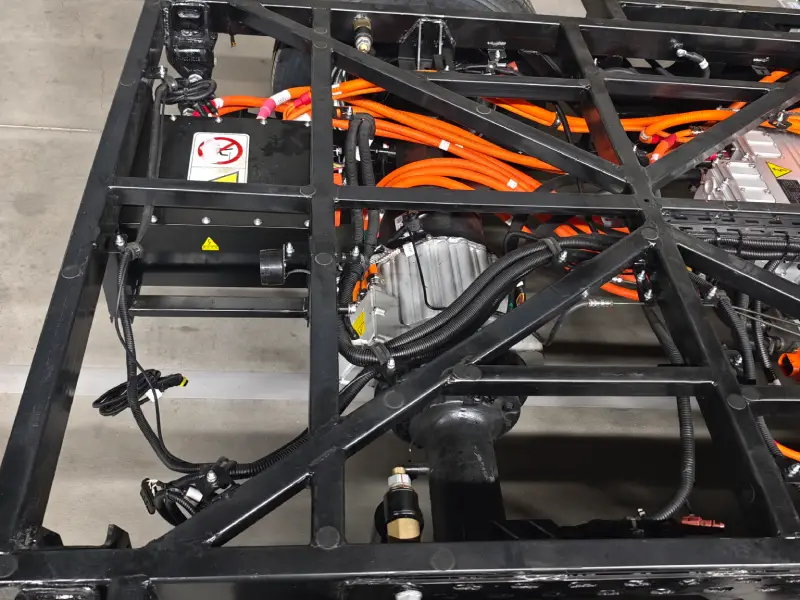
Electric Bus Chassis
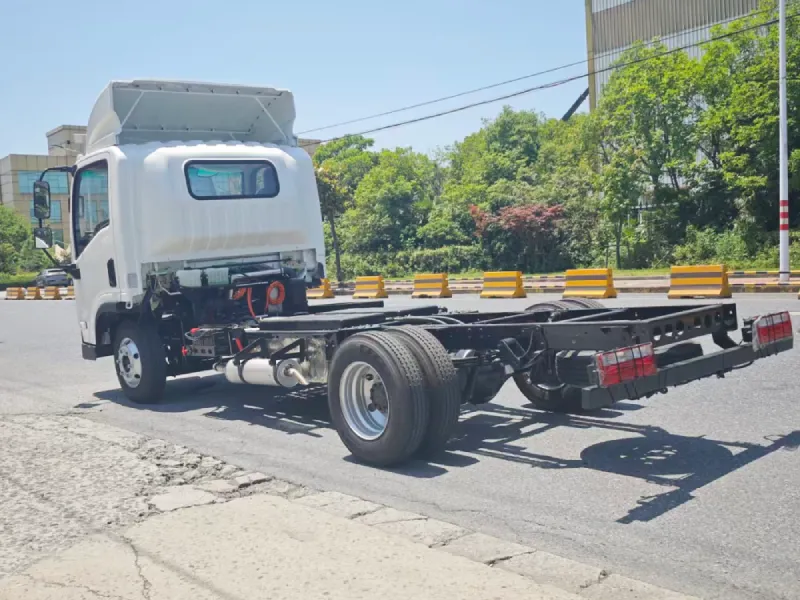
Electric Truck Chassis
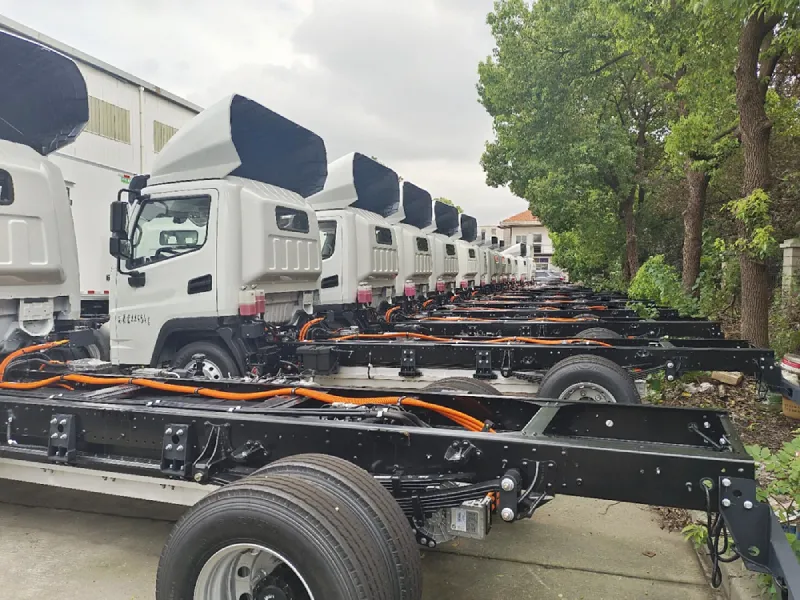
Electric Truck Chassis

Electric Truck Chassis
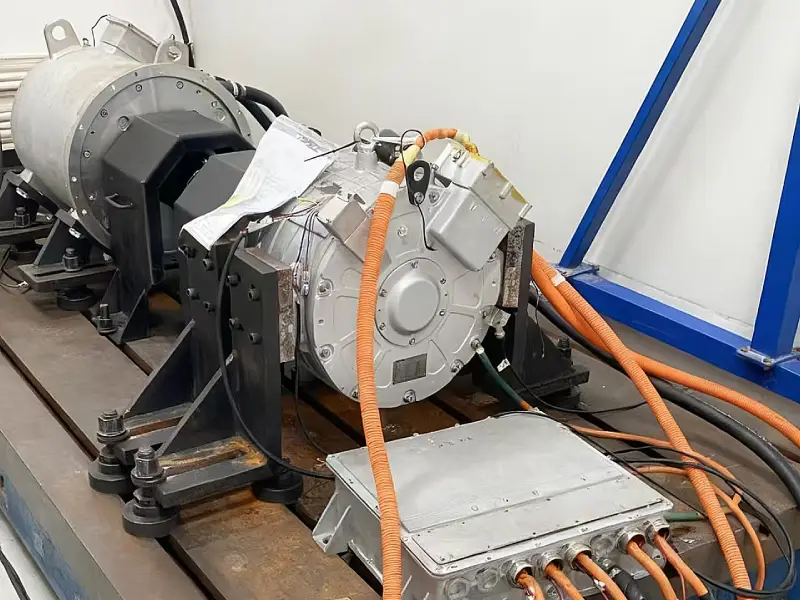
400 kW Motor Bench Test
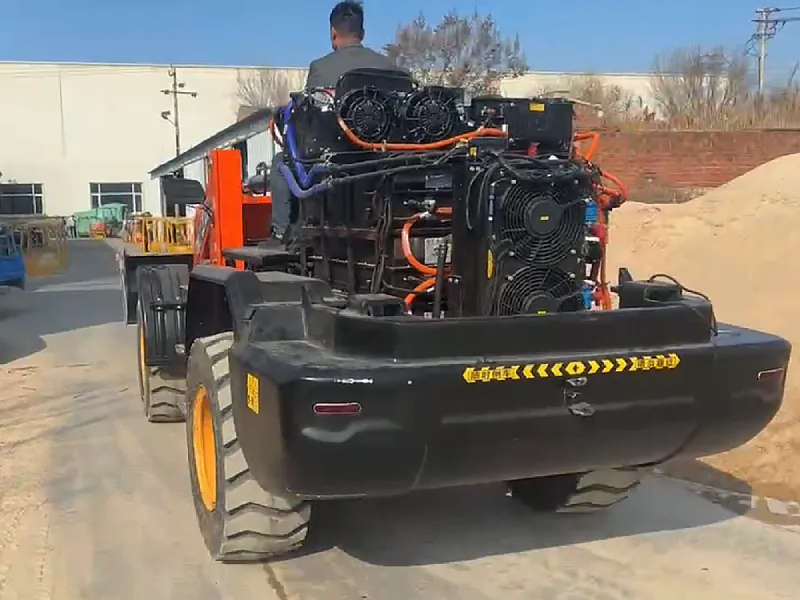
Wheel Loader Electrification Project
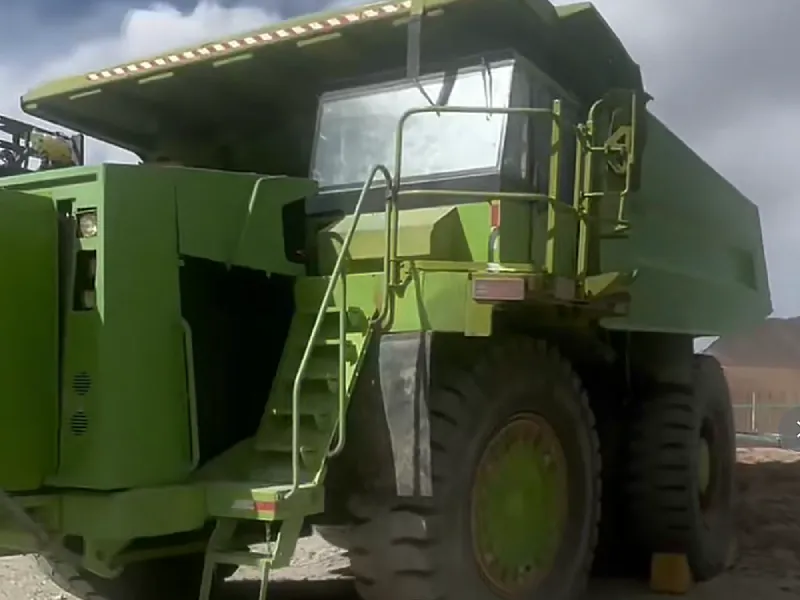
Mining Truck Electrification Project
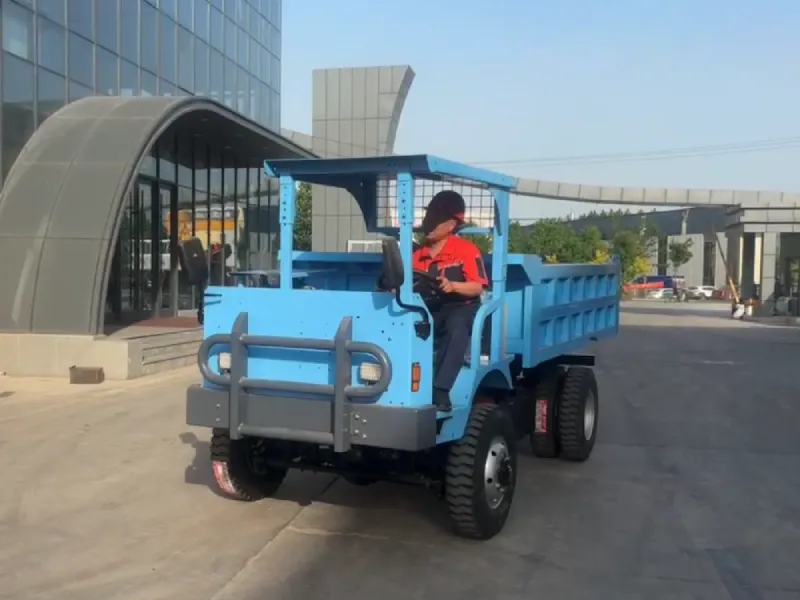
Truck Electrification Project
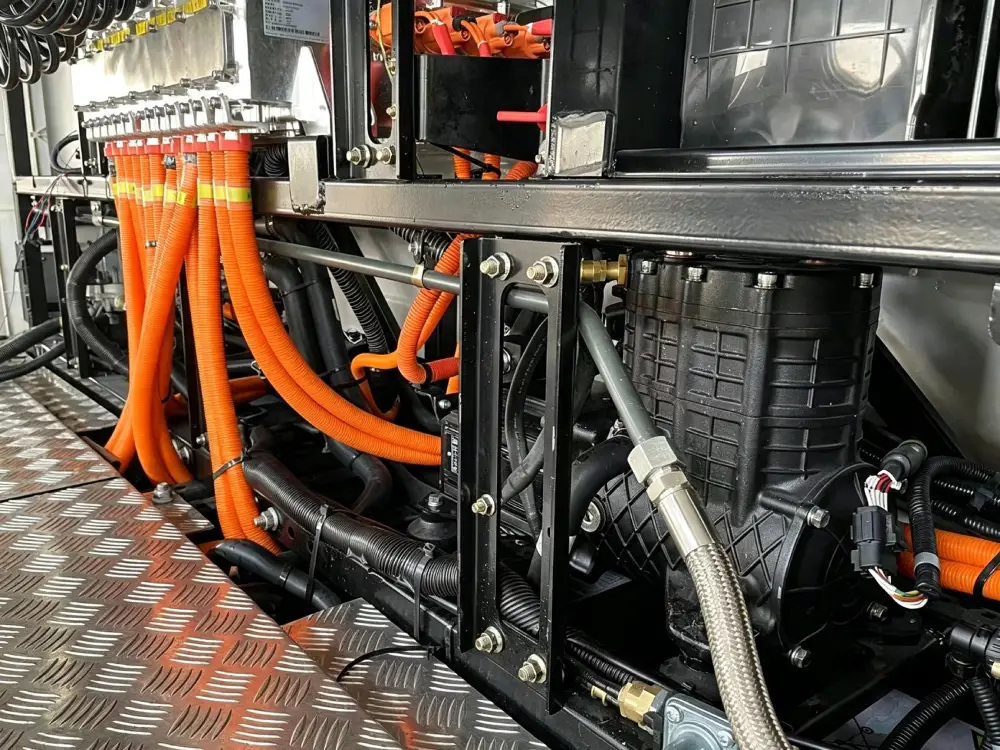
Electric Air Brake Compressor
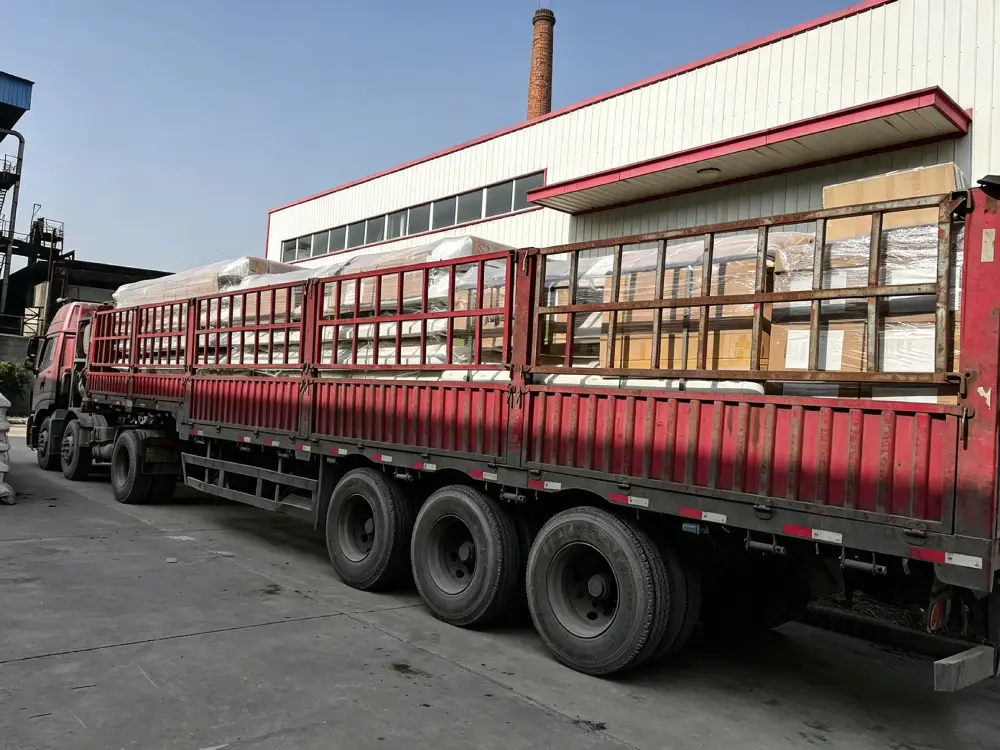
BTMS Delivery
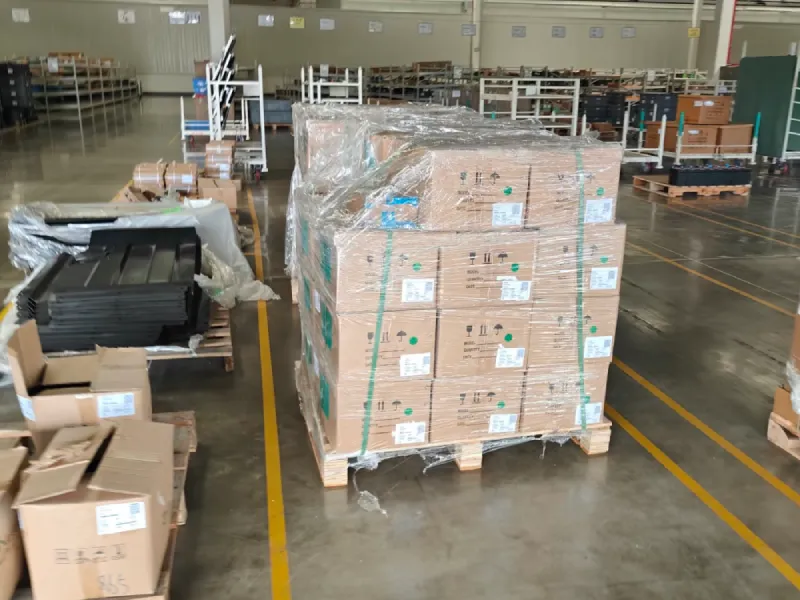
Onboard Chargers Delivery
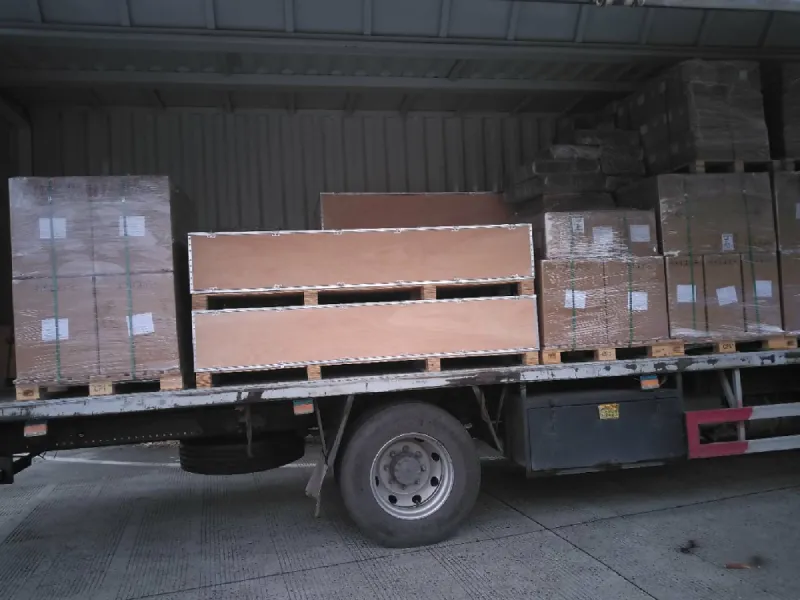
EV Battery System Delivery
We do not provide complete vehicle conversion kits or turnkey EV conversion packages. Our business focuses on supplying EV powertrain components and system-level solutions for commercial vehicle applications, including traction motors, electric drive systems, power electronics, and related components.
No. We primarily work with commercial vehicle manufacturers, OEMs, system integrators, and professional engineering teams. We do not undertake individual vehicle conversion or private retrofit projects.
Not based on vehicle specifications alone. Customers are generally expected to have a basic understanding of EV systems and define the key system requirements for their application, such as vehicle operating conditions, target performance, battery voltage, power requirements, and other relevant system parameters.
Based on these requirements, we can evaluate the application and recommend a suitable EV powertrain configuration.
We can evaluate your project requirements and recommend a suitable EV powertrain configuration within our product and technical capabilities.
However, we are not a complete vehicle engineering or turnkey vehicle development provider. Vehicle-level engineering, including full vehicle conversion, VCU development, and complete vehicle calibration, is outside our standard scope.
Customization is evaluated on a project-by-project basis. We generally recommend mature, proven system configurations and support limited customization where required for specific application conditions, interfaces, or system requirements.
For more extensive customization or new product development, feasibility, development scope, and associated costs need to be evaluated separately.
Yes. Standard communication protocols are available for our products to support system integration and communication with the vehicle control system.
If a customer requires a customized communication protocol, message definition, or software modification, additional development work and associated costs may apply. The exact scope is evaluated based on the project requirements.
The typical lead time is approximately 60 days after order confirmation. Actual lead time may vary depending on the product, configuration, order quantity, production schedule, and customization requirements.
Please contact our sales team for a confirmed delivery schedule for your specific project.
Our products and systems have been supplied to customers and projects in multiple international markets, including South Korea, Japan, the Philippines, the United Kingdom, Spain, Norway, Australia, and the United States.
Our overseas project experience includes a range of EV powertrain and auxiliary systems. Examples include:
To evaluate a project effectively, we normally need key vehicle and application information, including:
The more complete the technical information, the more accurately we can assess system feasibility and recommend a suitable configuration.
Yes, provided that sufficient application and technical requirements are available. We can review the project information, assess the application requirements, and recommend products or a system configuration from our existing portfolio.
For projects without clearly defined EV system requirements, additional technical clarification may be necessary before a suitable configuration can be proposed.
We provide product-level and system-level technical support for our supplied products, including configuration guidance, technical documentation, interface communication, and troubleshooting support.
However, our standard support does not include complete vehicle engineering, full vehicle integration, VCU development, or vehicle-level calibration.
New product development or extensive customization is subject to technical feasibility, expected application volume, development scope, and commercial requirements.
For most projects, we recommend starting with an existing mature product or system configuration and applying limited customization where necessary.
The typical process is:
Project Requirements → Technical Evaluation → Product / System Recommendation → Technical Clarification → Quotation → Order & Delivery
Customers can provide their vehicle specifications, application requirements, target performance, and available EV system parameters. Our team will then evaluate whether the project can be supported by our existing products and capabilities.