- All Posts
- EV Industry Insights
- EV Product Spotlights
- EV Project Case Studies
- EV System Selection Guides
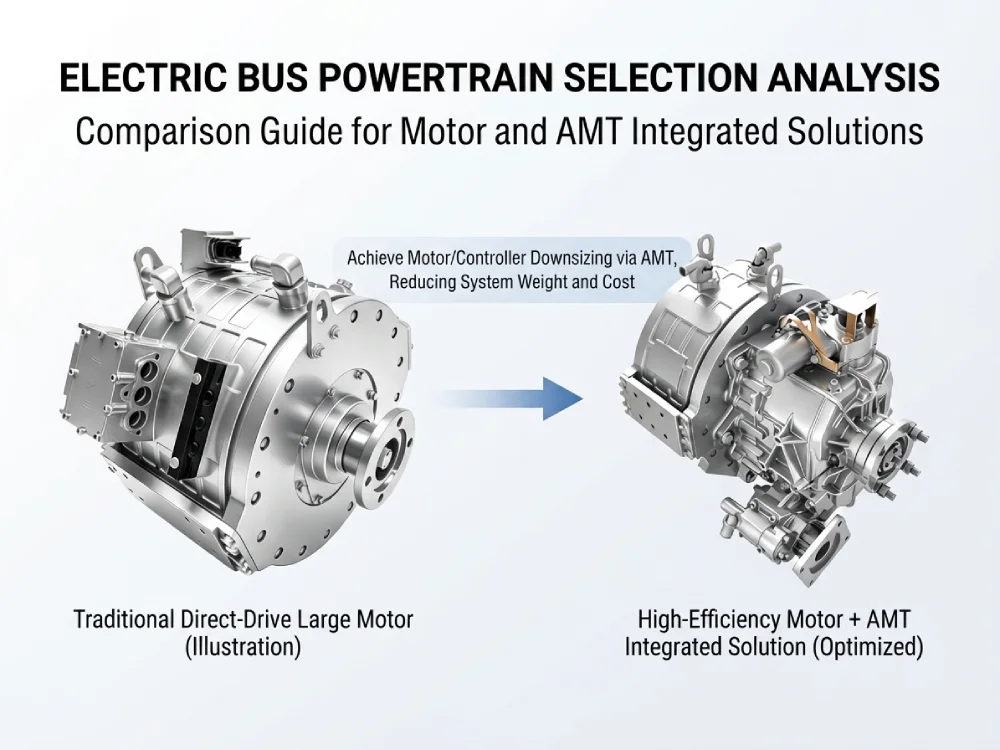
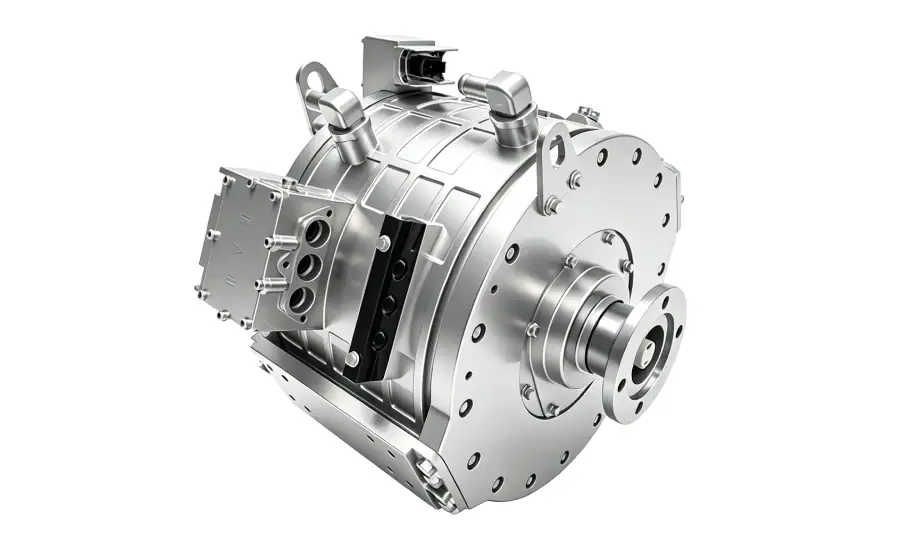
Selecting an electric bus motor cannot be done in isolation from the motor controller and the mechanical drivetrain. An electric traction motor’s performance envelope is fundamentally constrained by the inverter’s current limits and thermal capacity.
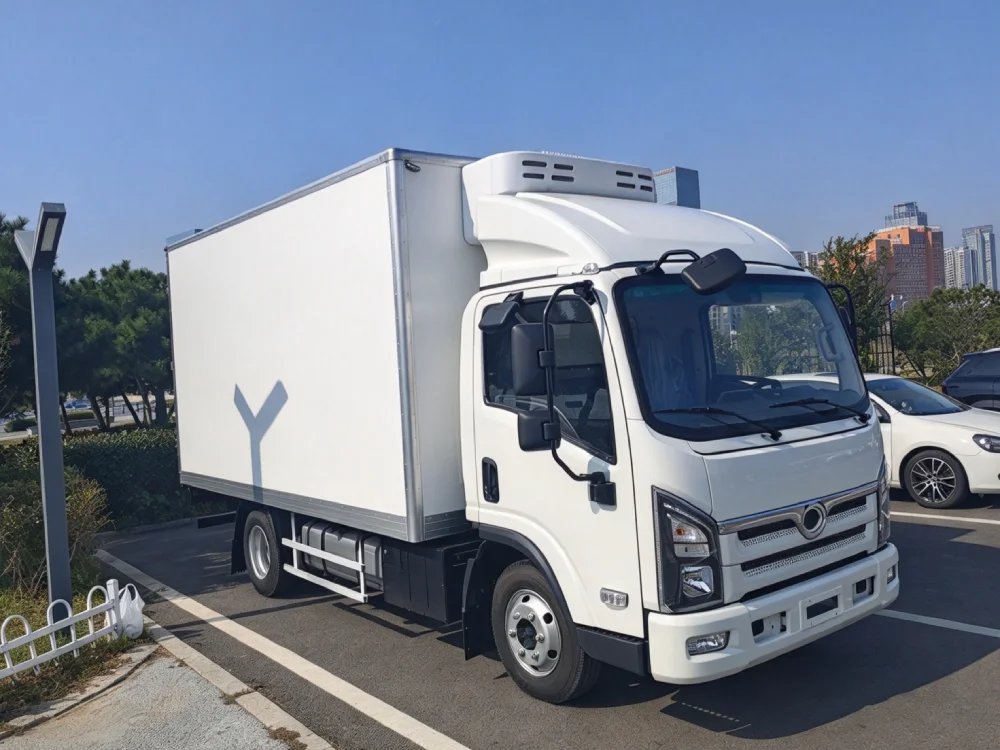
Our 4.5T electric refrigerated truck is designed for urban and suburban temperature-controlled delivery, including the transport of fresh produce, dairy products, pharmaceuticals, and other temperature-sensitive goods.
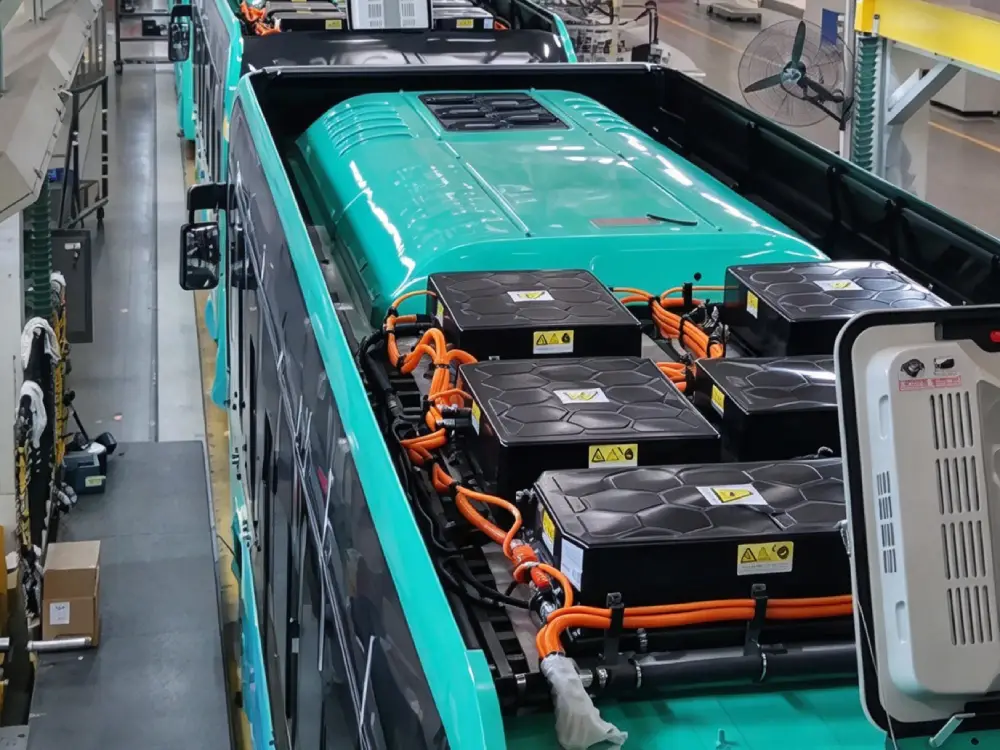
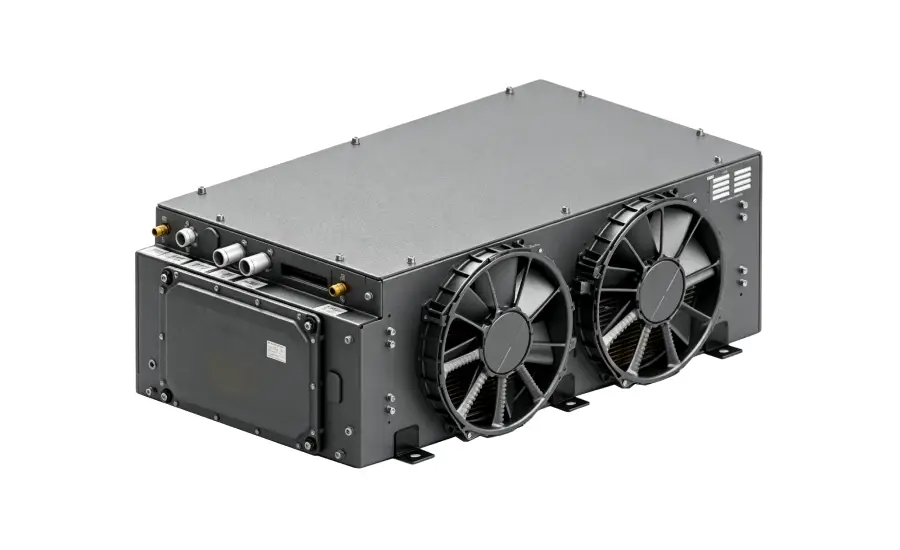
For electric buses operating in both hot and cold climates, an effective battery thermal management system (BTMS) is an important part of the vehicle's battery system.
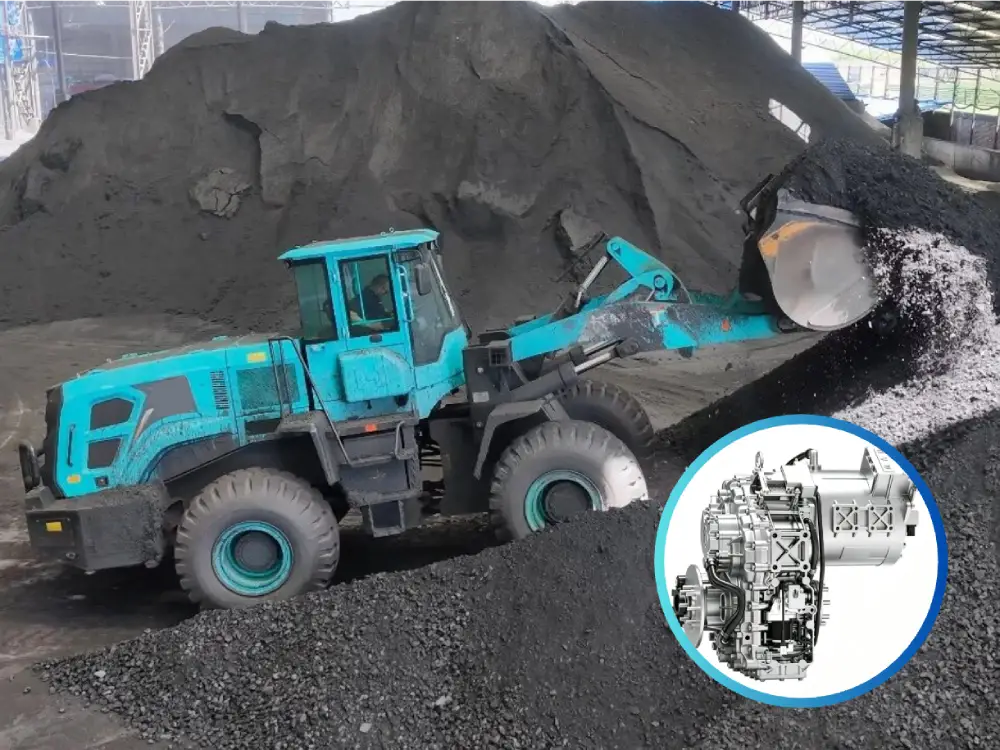
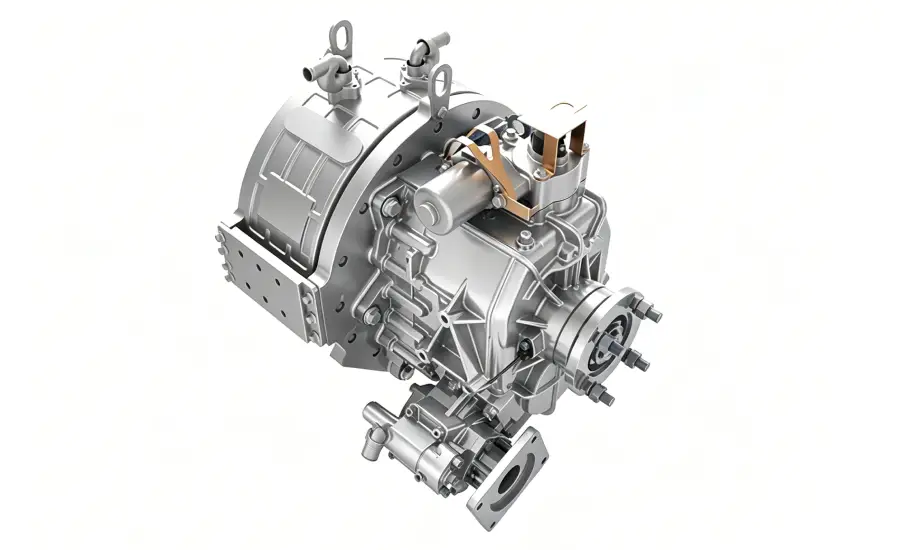
We provide electric wheel loader powertrain systems in both battery-electric and series-hybrid configurations. The traction system uses an electric motor combined with a 2-speed AMT transmission.
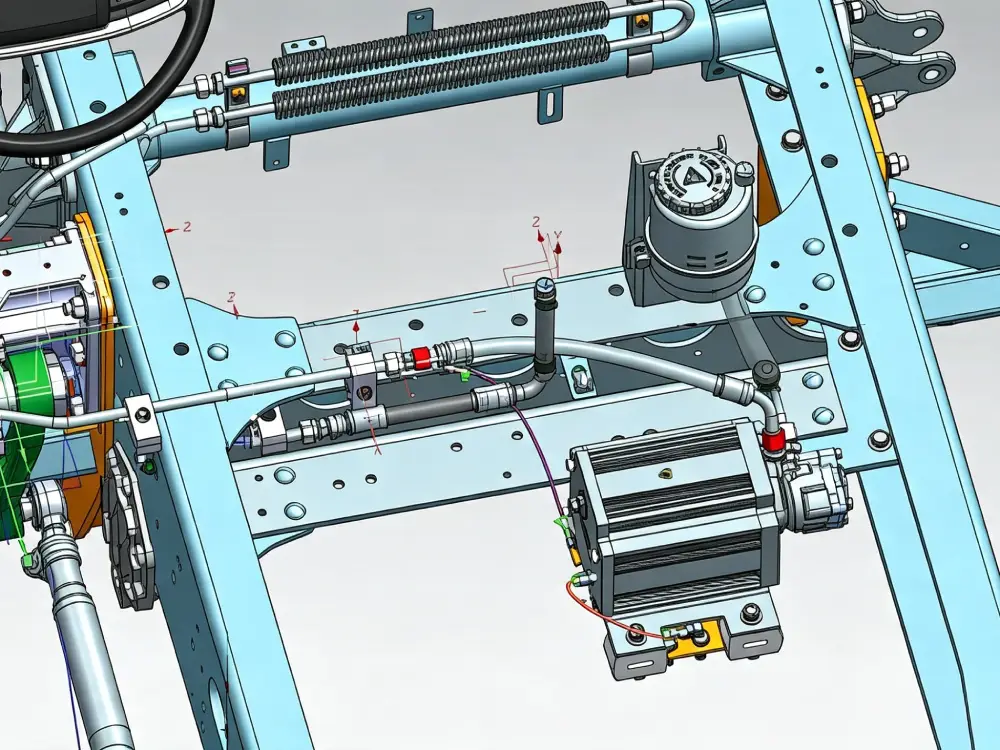
This article reviews the basic architecture and control logic of EHPS and EPS, and discusses the potential role of SBW in future electric light trucks.
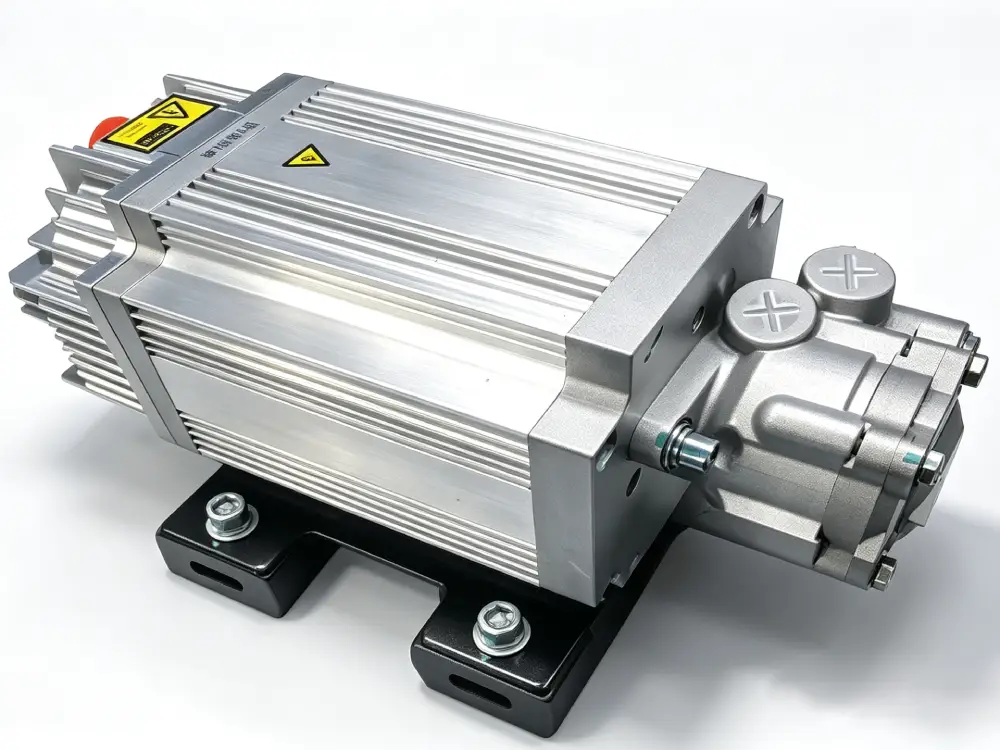
The Dual-Source Electro-Hydraulic Power Steering Pump provides a backup drive path for electro-hydraulic steering systems used in electric vehicles. It combines a vane-type hydraulic pump with a dual-winding permanent magnet synchronous motor, using separate high-voltage and low-voltage power circuits.
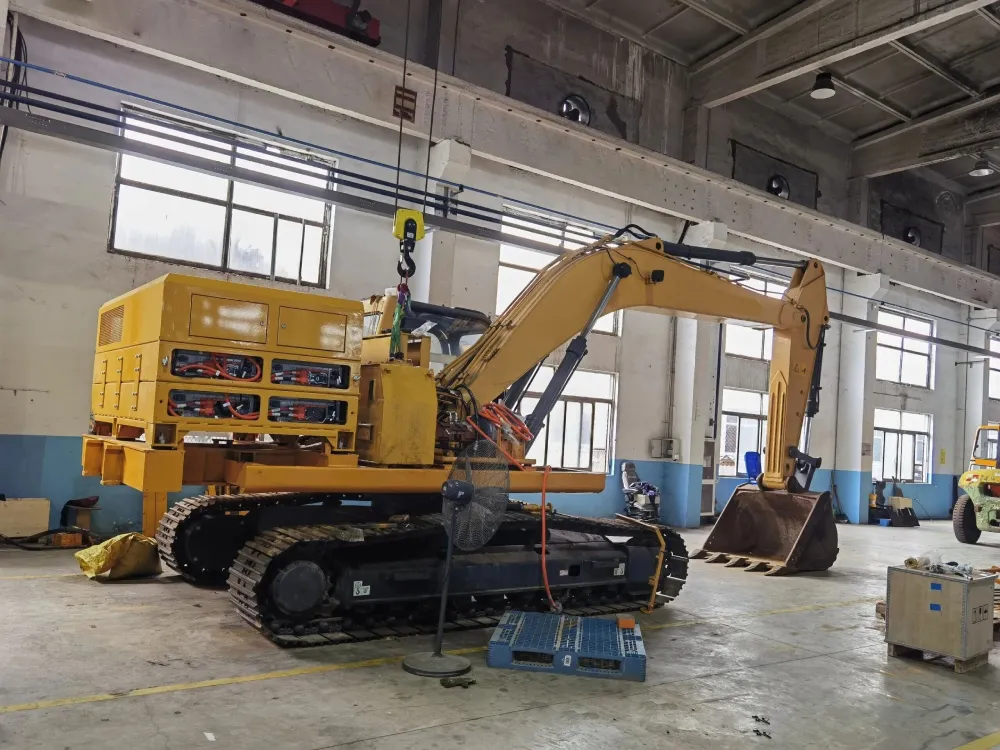
An engineering analysis of motor sizing for 115-ton mining excavator electrification. Learn why continuous hydraulic demand and duty cycles dictate motor power.
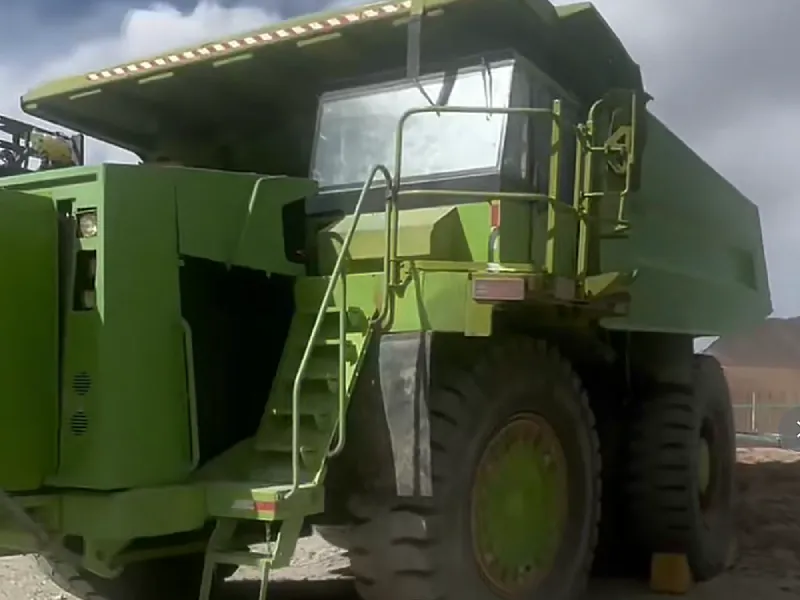
A practical guide to mining equipment electrification across open-pit and underground operations. Explore core drivers, execution control points, and TCO payback.
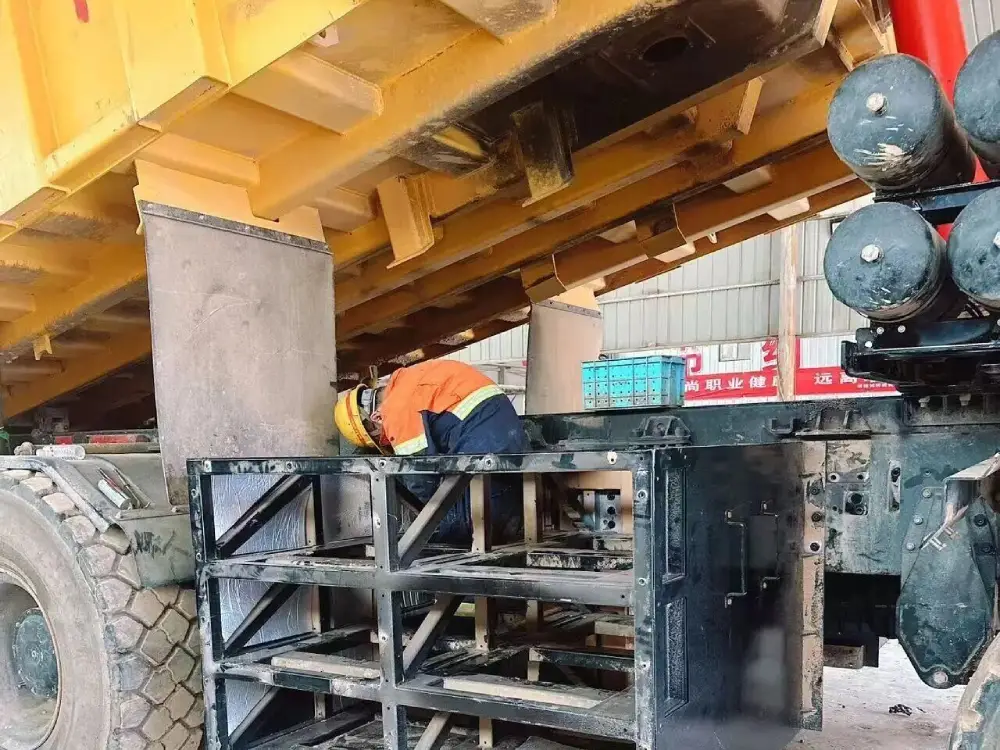
This case study examines the electrification of a 45-ton mining dump truck at a cement mine, comparing energy consumption and operating performance.
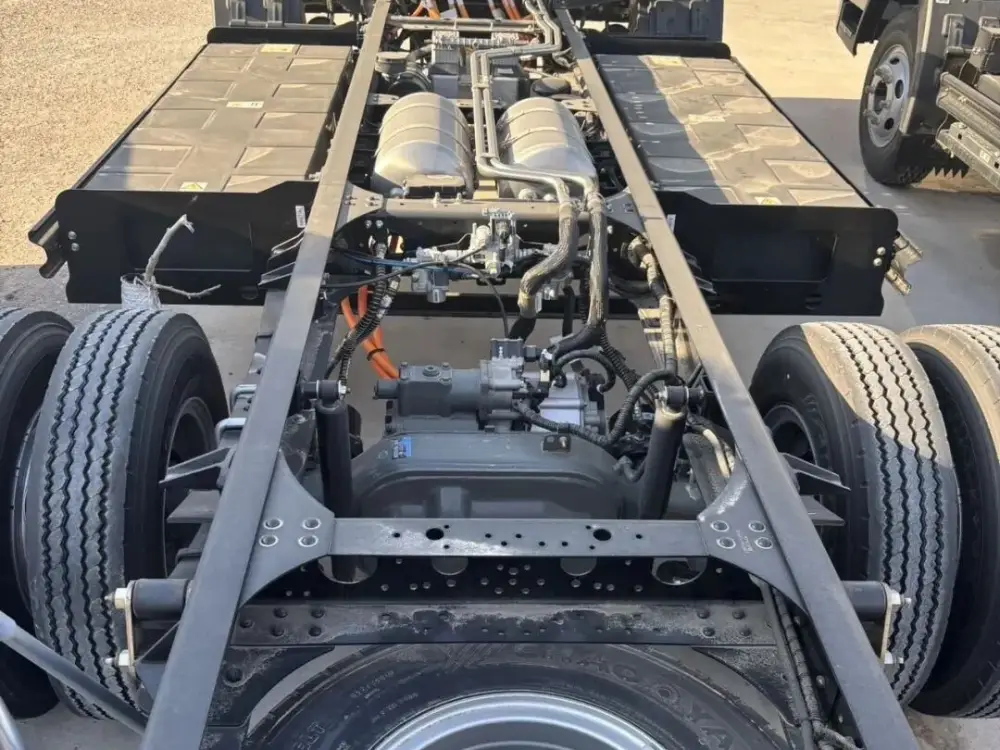
When evaluating an electric central drive vs electric axle architecture for heavy-duty commercial EVs, the selection is not about theoretical superiority.
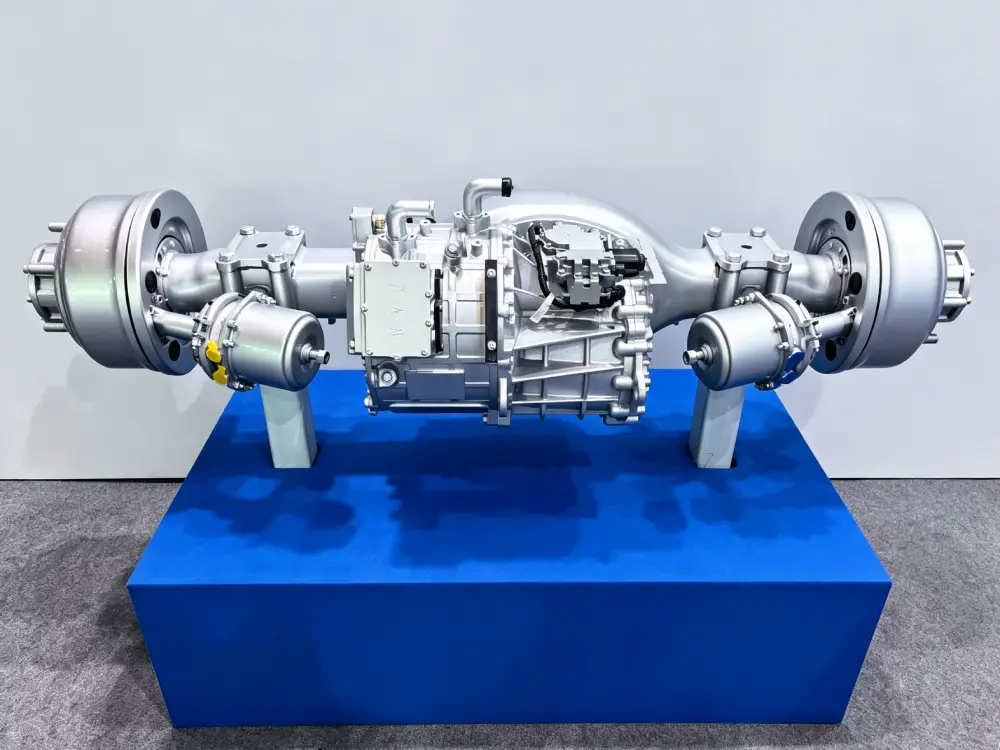
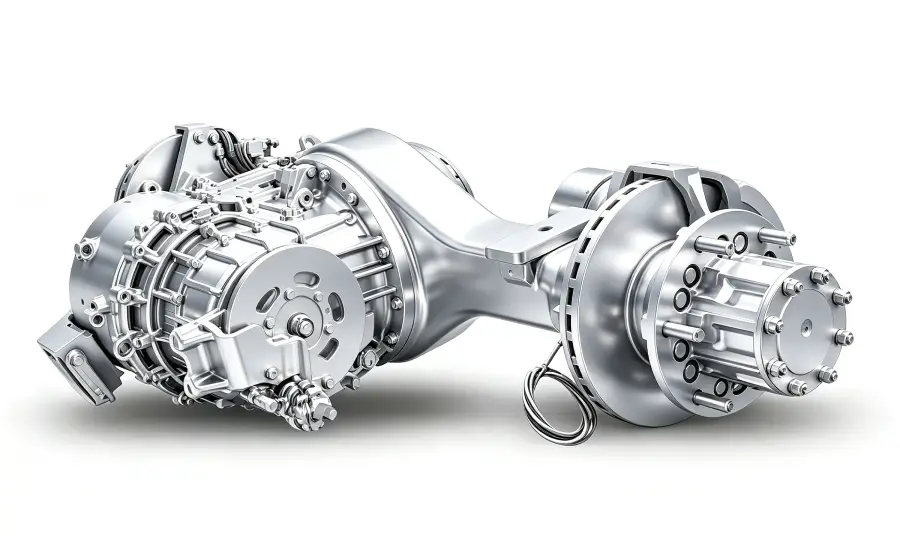
This 13T electric truck axle combines a single traction motor with a four-speed transmission for 4×2 and 6×4 heavy-duty truck applications.
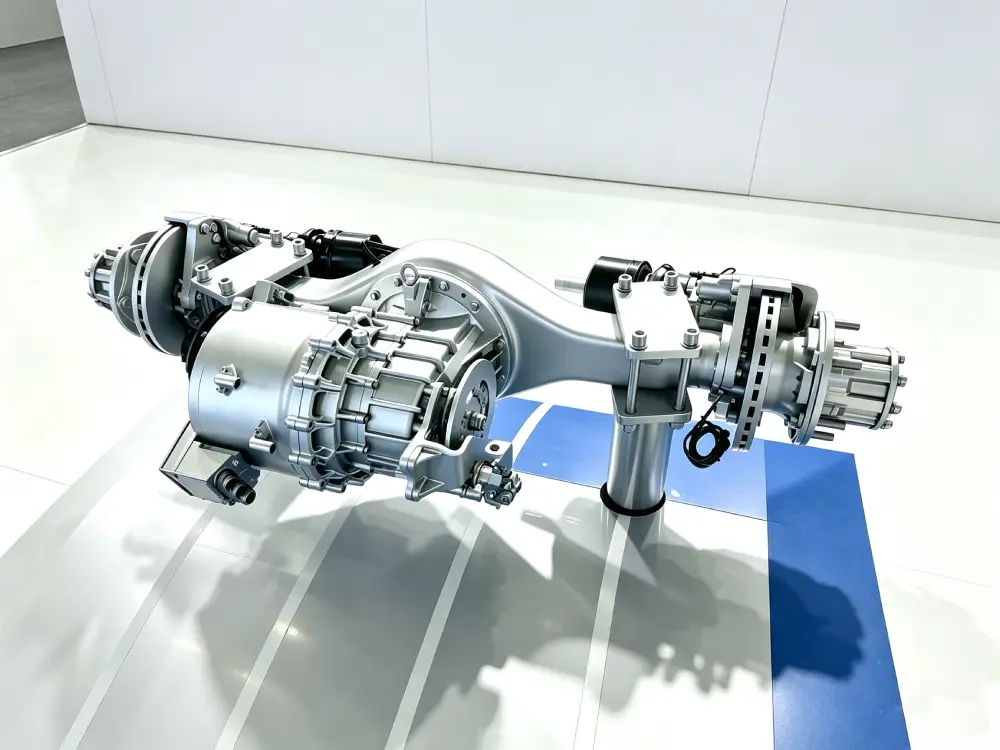
A production-proven 5.5t–6.5t integrated electric drive axle designed for 7–8 meter buses, urban logistics trucks, and specialty commercial chassis.
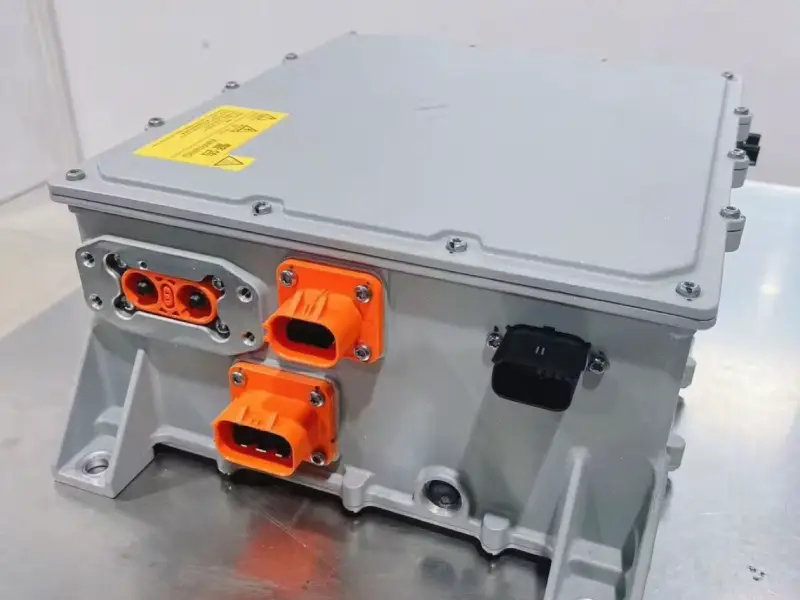
The on-board charger is transitioning from a unidirectional power converter into a bidirectional energy hub. This article details the technical requirements for V2G and V2L operation, as well as hardware integration trends including CCUs and motor-drive power sharing.
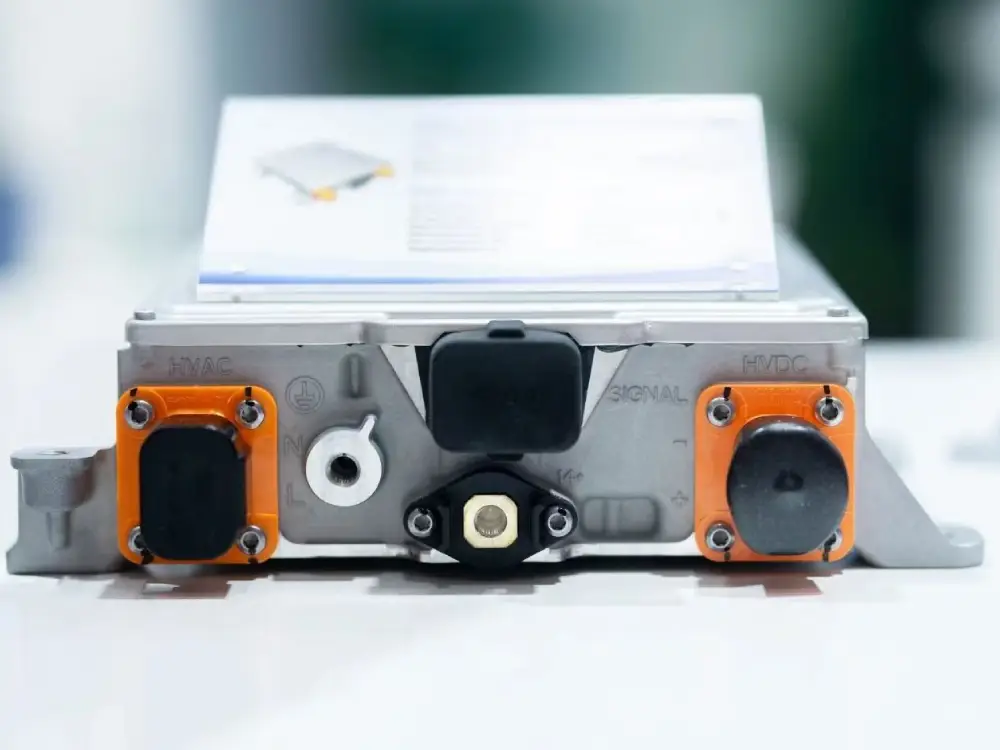
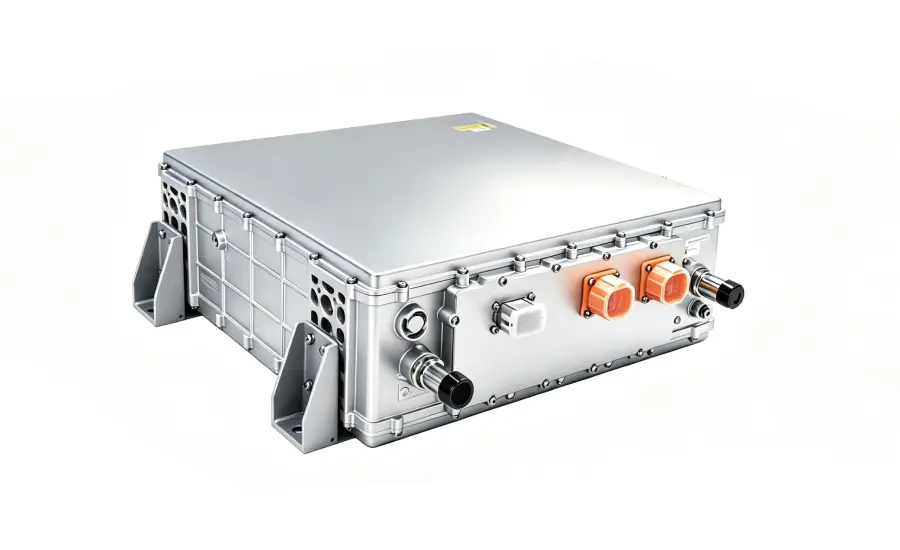
An on-board charger (OBC) is a key part of an electric vehicle's charging system, converting AC power from the grid into regulated DC power for the battery. This article explains how an EV on-board charger works and the engineering requirements behind its design.
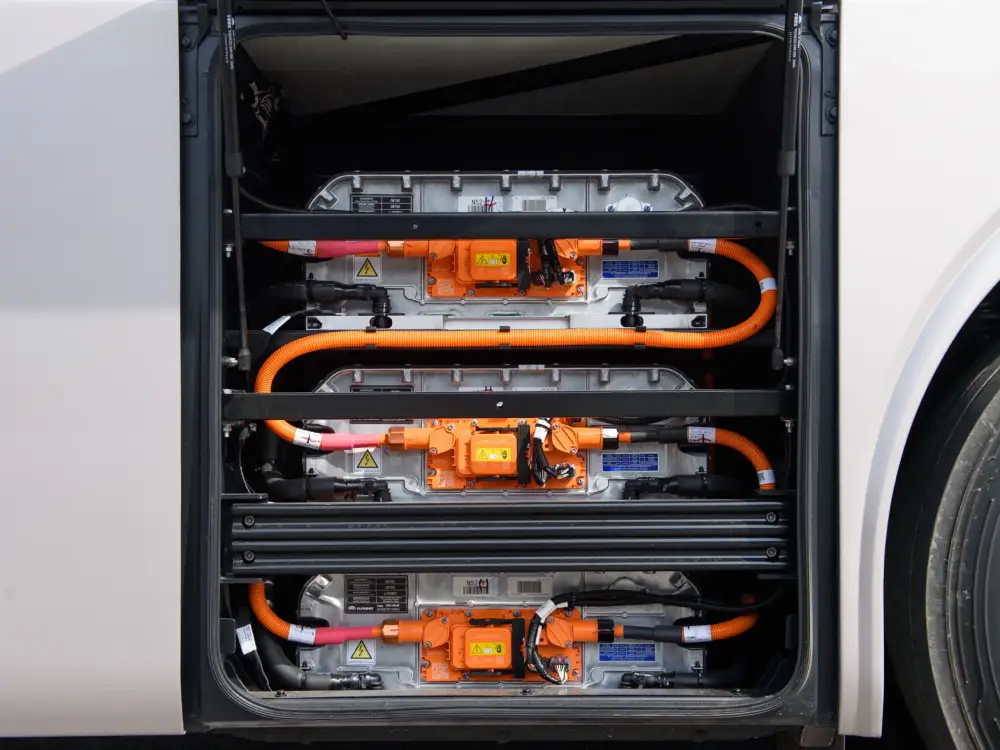
600V-class systems remain widely used in electric buses, but 800V and higher-voltage platforms are gaining attention.
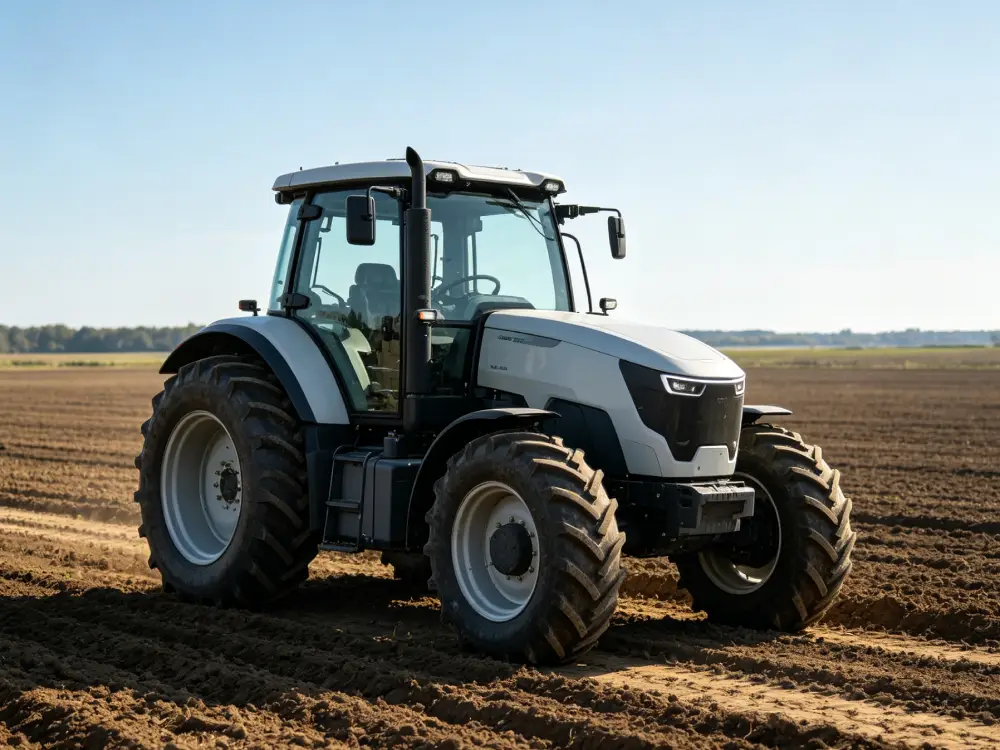
A real-world case study of integrating our 9.9 kW three-phase 800 V OBC and 3 kW DC-DC converter into an off-highway electrification project, including Type 2 EVSE and CAN communication support.
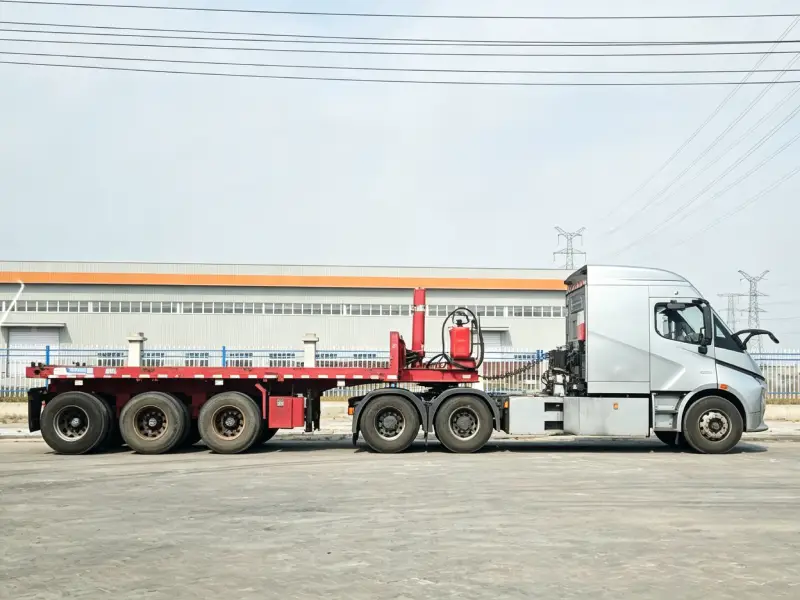
A real-world case study examining electric axles for heavy-duty trucks in port operations, with field data from short-distance and short- to medium-distance transport.
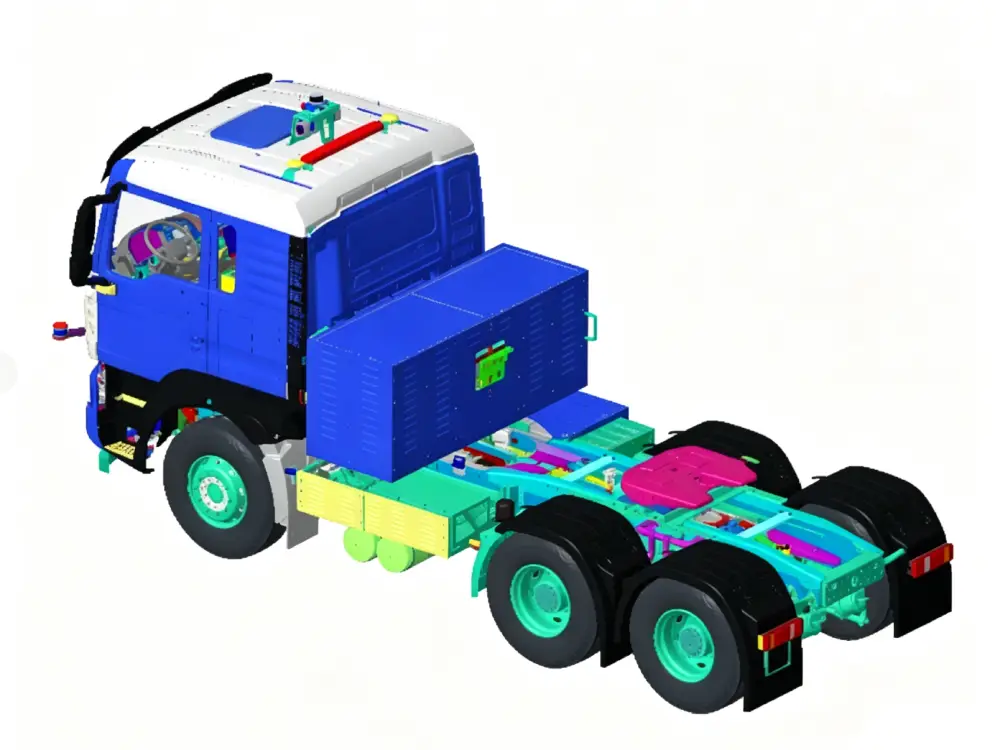
Battery placement is becoming an increasingly important consideration in electric heavy truck development. Different electric heavy truck battery layouts can affect vehicle range, payload capacity, handling, charging or battery-swapping options, ground clearance, and overall vehicle packaging.
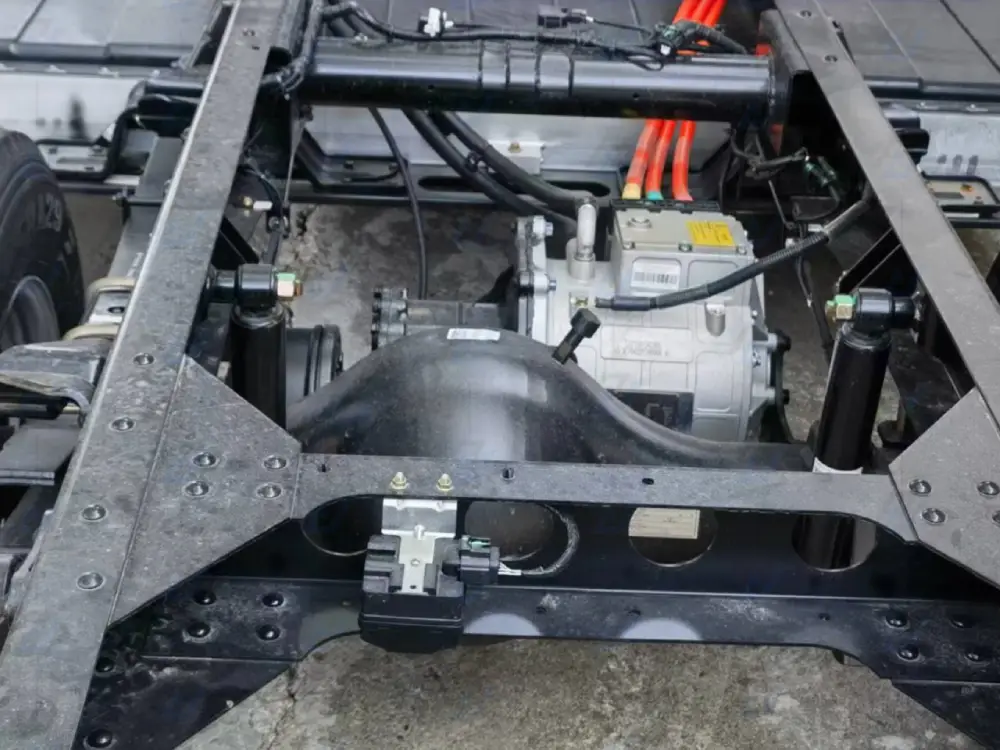
Selecting EV traction motors for electric light trucks requires more than comparing peak power and torque.
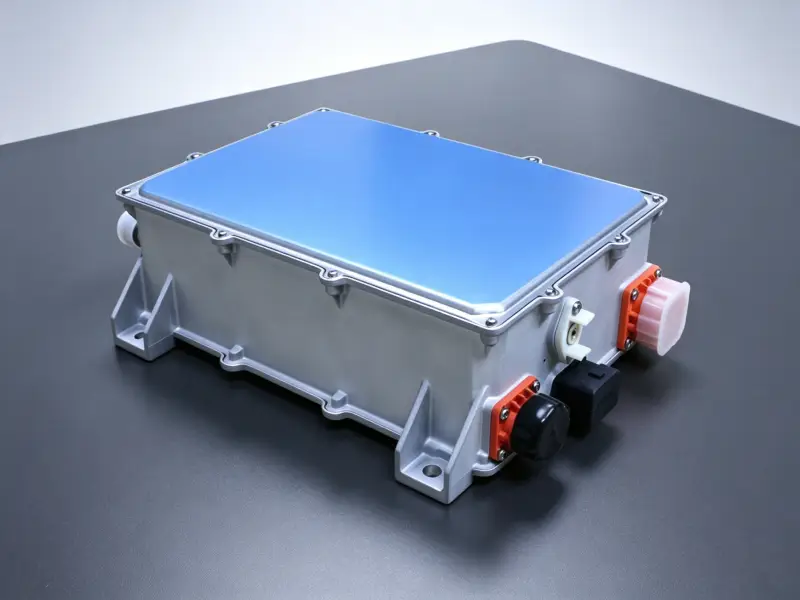
This case study covers the integration of an 800V bidirectional OBC + DC/DC system into a premium SUV, from prototype testing and CAN integration to vehicle-level validation and mass production.
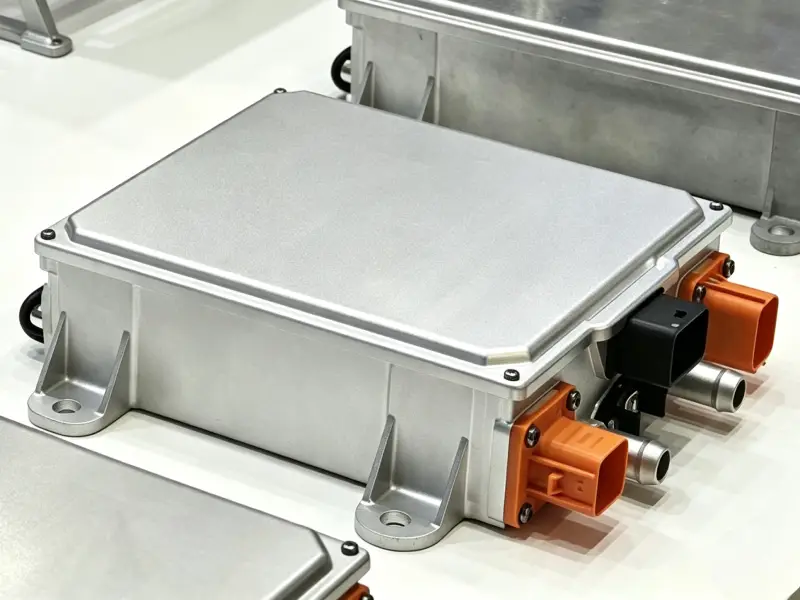
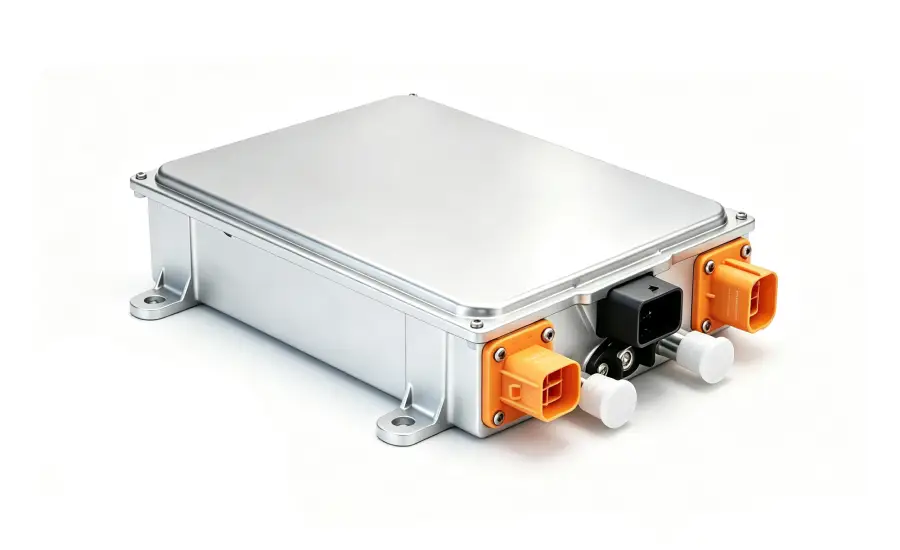
A production-proven 6.6 kW bidirectional OBC integrated with a 2.5 kW DC/DC converter, supporting V2L, liquid cooling, CAN communication, and IP67.
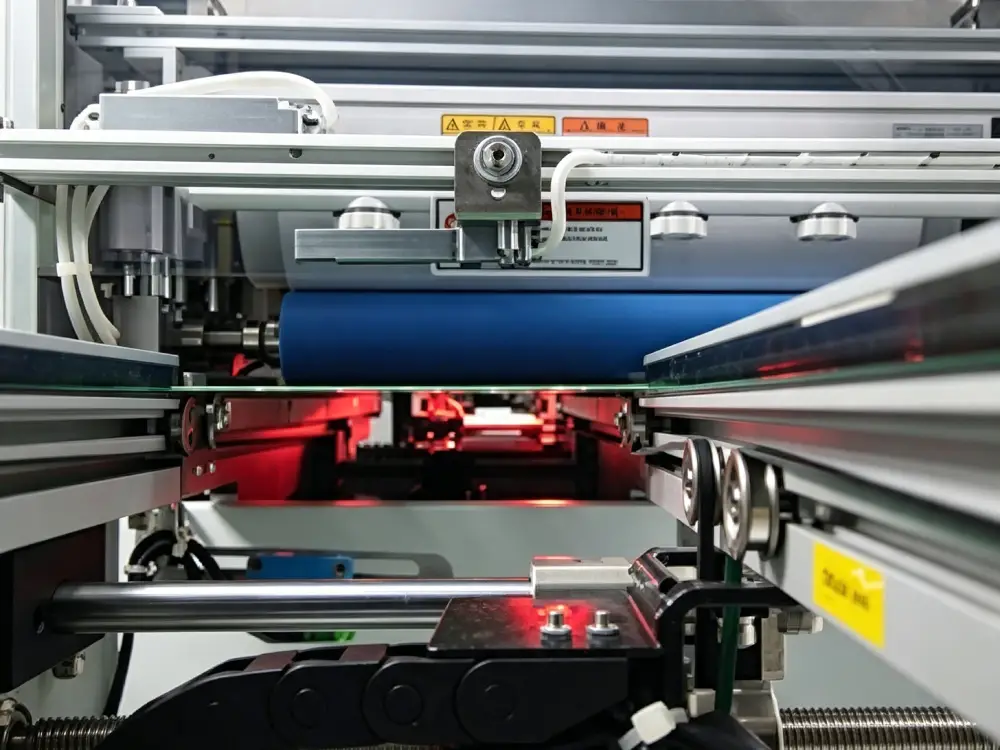
An engineering guide to EV on-board chargers, covering OBC architectures, power topologies, 6.6 kW to 22 kW charging levels, 400 V and 800 V battery systems, OBC + DC/DC integration, thermal management, and bidirectional charging.
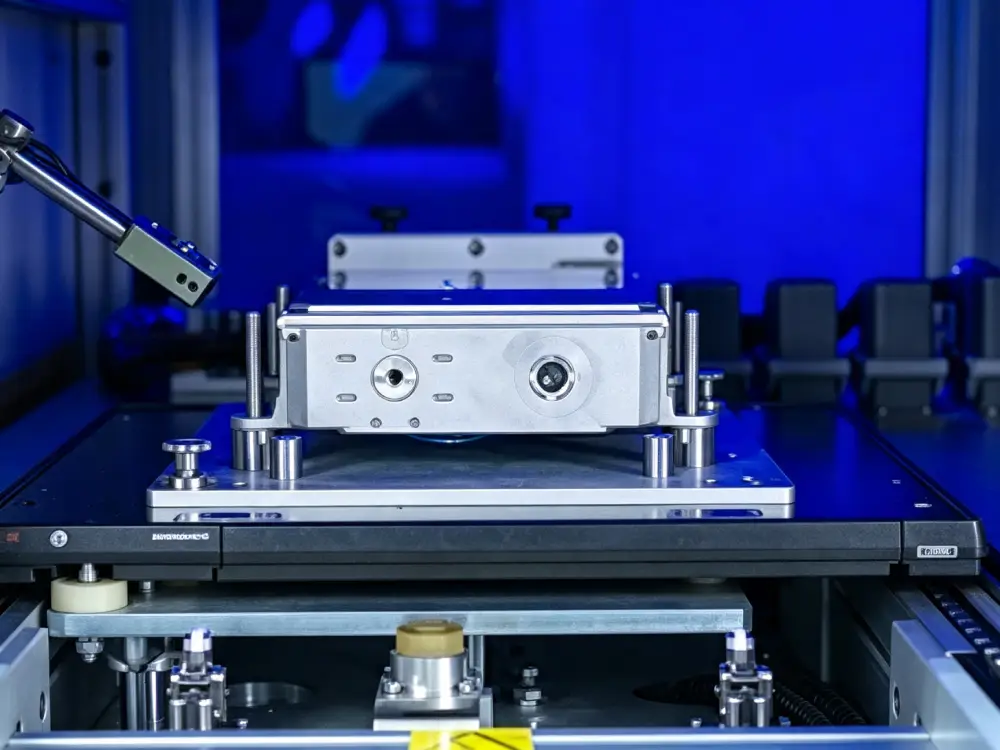
Explore onboard charger trends in 2026, including higher-voltage architectures, power density, system integration, SiC and GaN, and bidirectional charging.
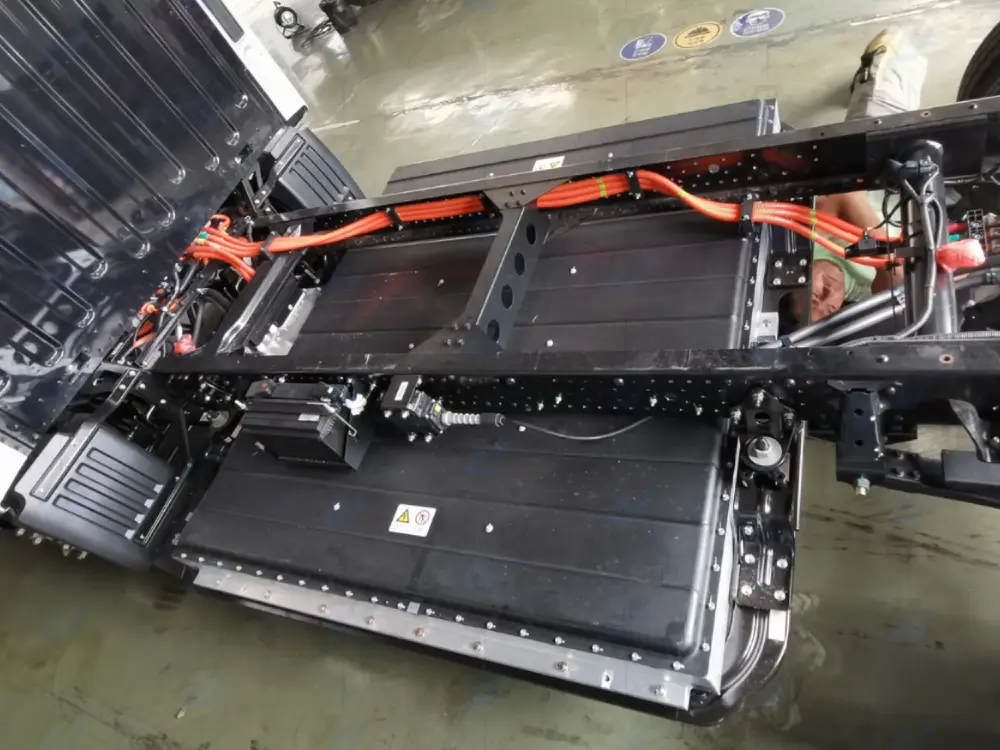
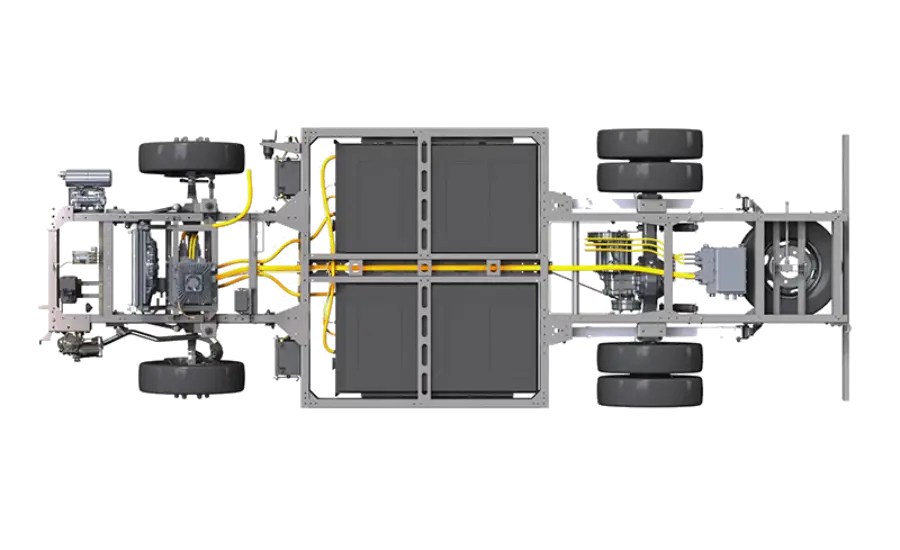
A proven electric truck chassis platform already in batch production and exported to international markets including the Philippines, South Korea and Ecuador.
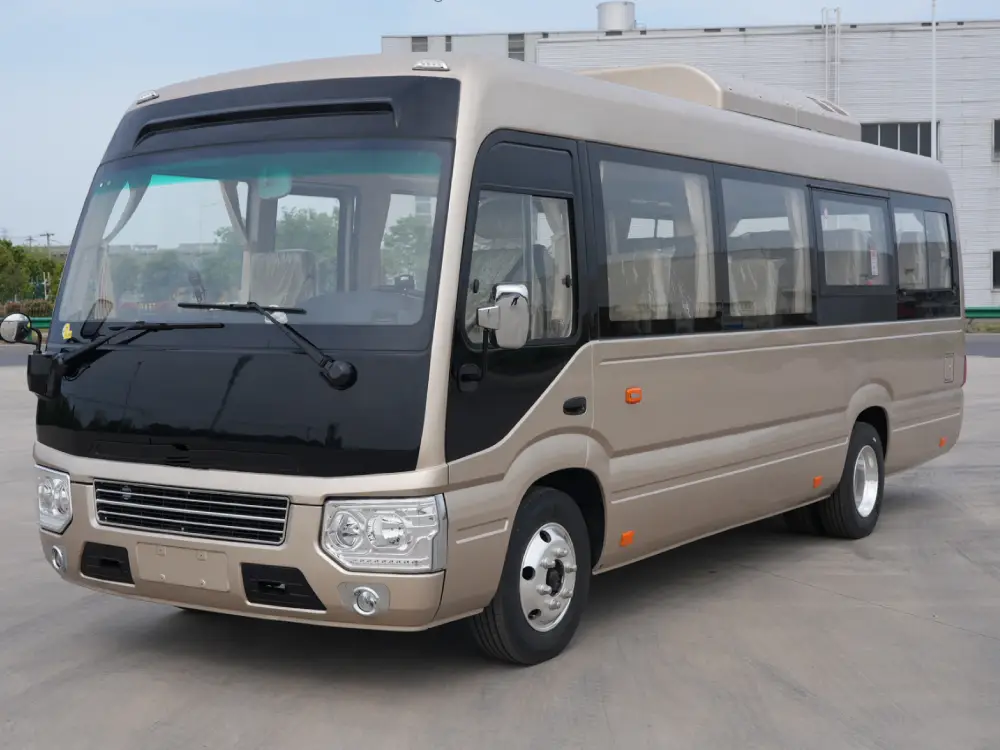
A proven electric minibus platform available as a complete vehicle or chassis-only configuration, with flexible seating, body and vehicle options for different passenger transport applications.
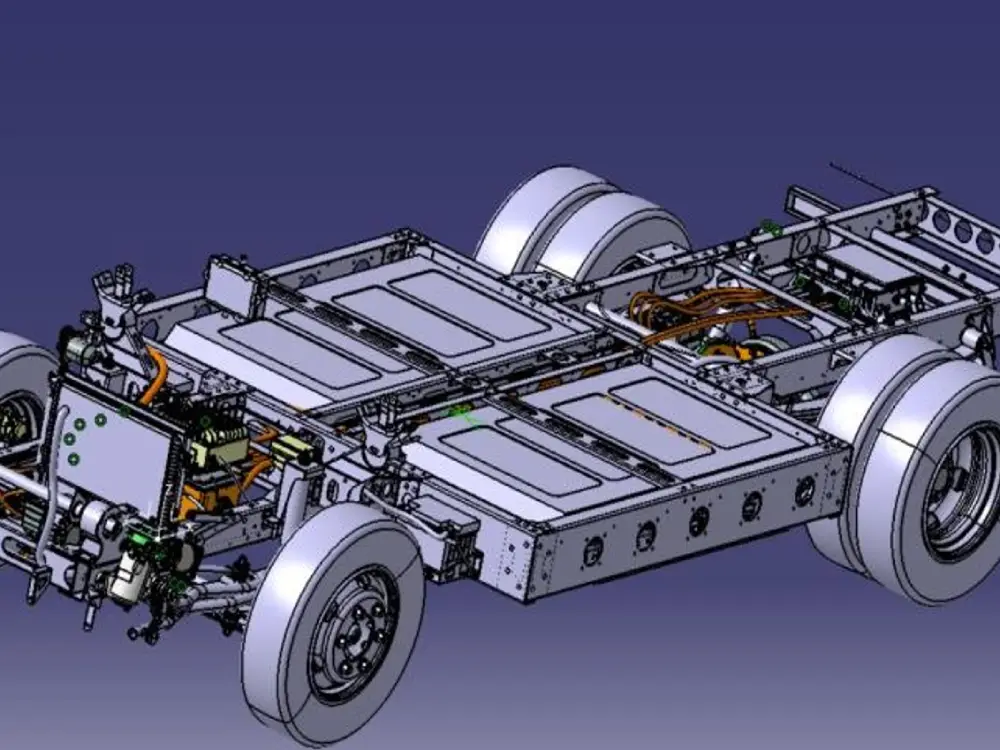
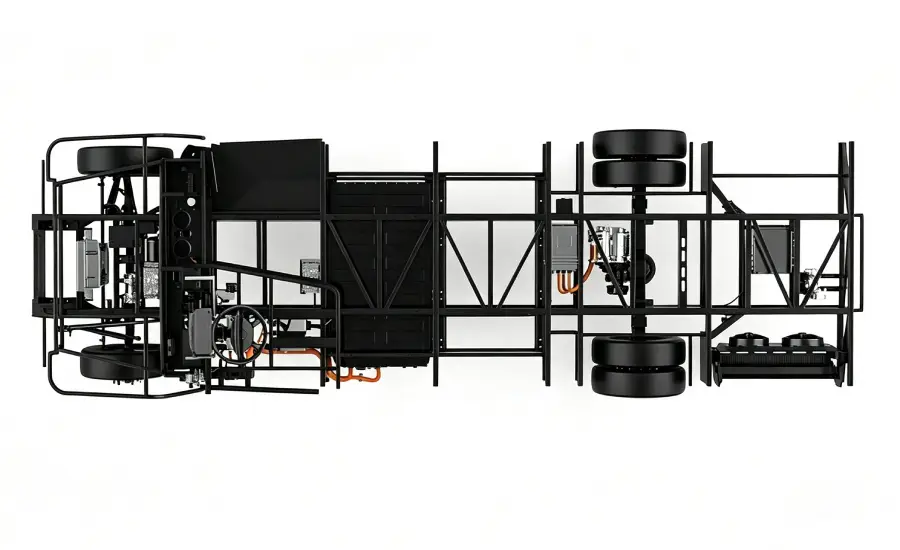
Explore our electric chassis for bus applications in Thailand, developed for a dual-purpose vehicle with 300+ km range and a proven EV platform.
- All Posts
- EV Industry Insights
- EV Product Spotlights
- EV Project Case Studies
- EV System Selection Guides