
Electric truck motor selection directly affects vehicle energy consumption and driving performance. Rated power, peak power, torque characteristics and motor efficiency determine how the truck performs under different loads and road conditions.
A motor with insufficient output may struggle to maintain vehicle speed on steep gradients or under heavy loads. An oversized motor may spend much of its operating time at low loads, where efficiency can be lower. The selection should reflect the vehicle’s gross weight, payload, target speed, road conditions and driving cycle.
This article examines the main factors in electric truck motor selection, with practical reference configurations for different light truck applications.
Table of Contents
- How Motor Selection Affects Electric Truck Energy Consumption
- Key Factors in Electric Truck Motor Selection
- Powertrain Matching and Validation for Electric Trucks
- Electric Truck Motor Selection for Different Light Truck Applications
- Single-Speed vs. Two-Speed Electric Axles for Electric Trucks
- Jenwyn Tech: Electric Powertrain and LCV Chassis Solutions
1. How Electric Truck Motor Selection Affects Energy Consumption
Motor efficiency varies with speed, torque and load. The following figures provide reference efficiency ranges under different operating conditions:
| Operating Condition | Reference Motor Efficiency |
|---|---|
| Rated operating conditions | 94%–96% |
| High-efficiency region and economical cruising | 95%–97% |
| Low-speed starting or high-torque climbing | 88%–93% |
| Peak overload conditions | 85%–90% |
These are indicative ranges. Actual efficiency depends on motor design, operating point and control strategy.
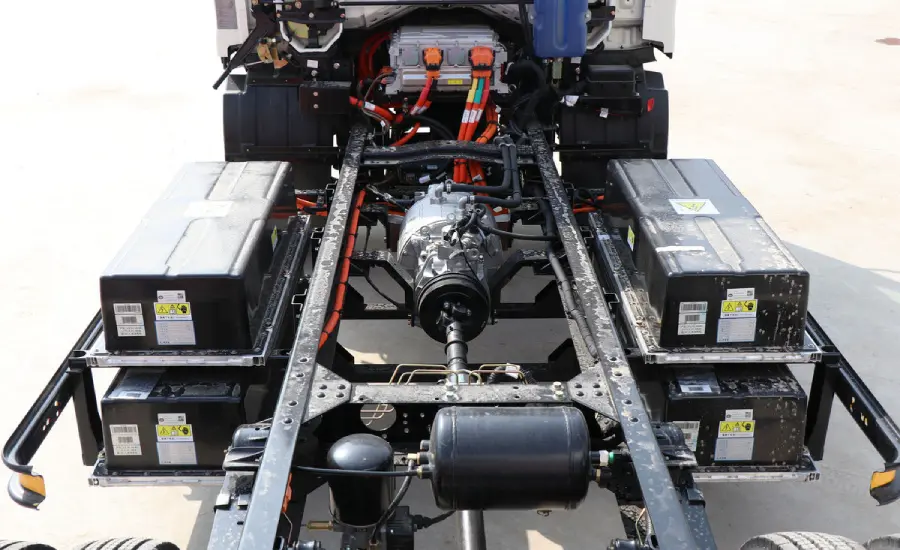
Motor sizing also affects how efficiently the vehicle operates.
Undersized motor
When motor output is insufficient for the vehicle’s weight and operating conditions, the motor may need to operate at high load for extended periods. This can move it away from its high-efficiency operating region, particularly during sustained climbing or heavy-load operation.
Oversized motor
A motor with substantially higher output than the vehicle requires may spend much of its time operating at relatively low loads. Depending on its efficiency map and the vehicle’s driving profile, this can result in lower operating efficiency than a motor sized for the application.
The aim is to match the motor’s continuous and peak output to the vehicle’s actual performance requirements.
2. Key Factors in Electric Truck Motor Selection
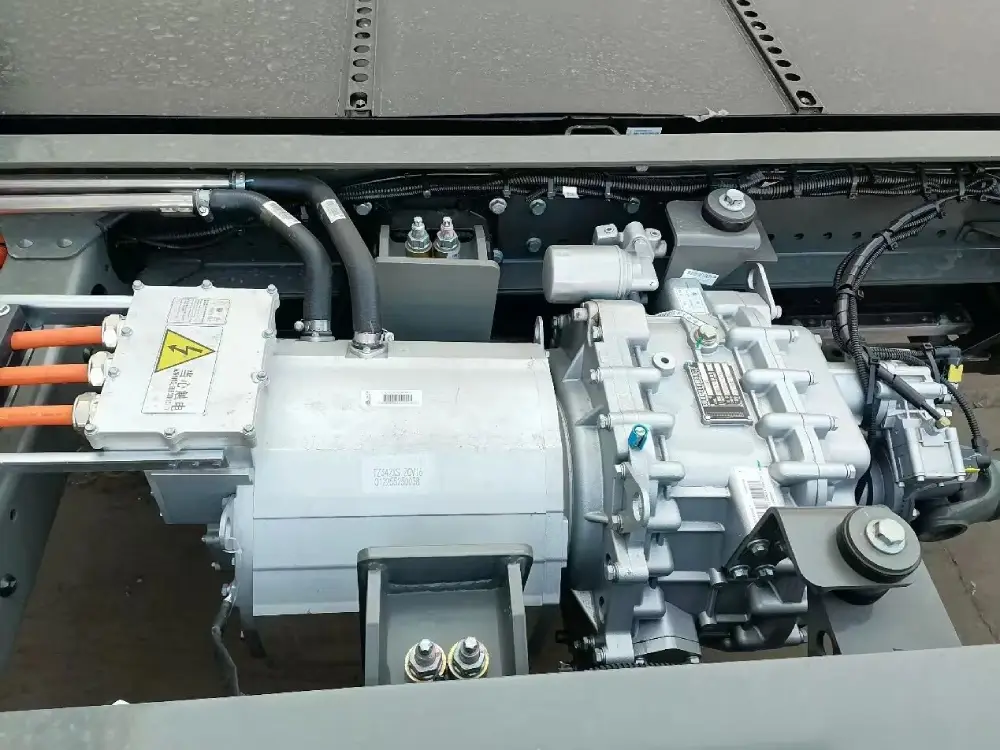
Electric truck motor selection involves evaluating the vehicle’s performance requirements alongside its drivetrain configuration. Several parameters need to be assessed together.
Motor Type
Permanent magnet synchronous motors (PMSMs) are widely used in electric trucks because of their high efficiency, power density and compact design.
Rated Power and Rated Torque
Rated power and rated torque determine the motor’s ability to deliver continuous output under specified operating conditions.
For commercial trucks, these parameters should be assessed against:
- Maximum vehicle speed under full load.
- Gradients on long uphill sections, particularly climbs exceeding 10 km.
- Gross vehicle weight and expected payload.
- Continuous driving requirements.
A truck that regularly travels on long uphill routes needs sufficient continuous motor output to maintain its target speed without exceeding the motor’s thermal limits.
Peak Power and Peak Torque
Peak power and peak torque provide additional output for short-duration high-load conditions, including:
- Starting under full load.
- Accelerating with a full payload.
- Climbing steep gradients.
According to the reference operating guidance, peak performance may be available for approximately 30–60 seconds before thermal protection and torque limitation become necessary. Actual duration depends on the motor design and thermal management system.
Drivetrain Configuration and Transmission Ratio
Motor performance is closely linked to the rest of the drivetrain. The following parameters need to be matched as a system:
- Transmission gear ratios.
- Rear axle ratio.
- Tire dimensions.
- Maximum motor speed.
- Operating voltage and current.
Together, these parameters determine how motor speed and torque translate into vehicle speed and wheel torque.
Changes to the transmission ratio, axle ratio or tire size can shift the motor’s operating points. If these changes are made without reassessing the powertrain configuration, energy consumption may increase.
3. Powertrain Matching and Validation for Electric Trucks
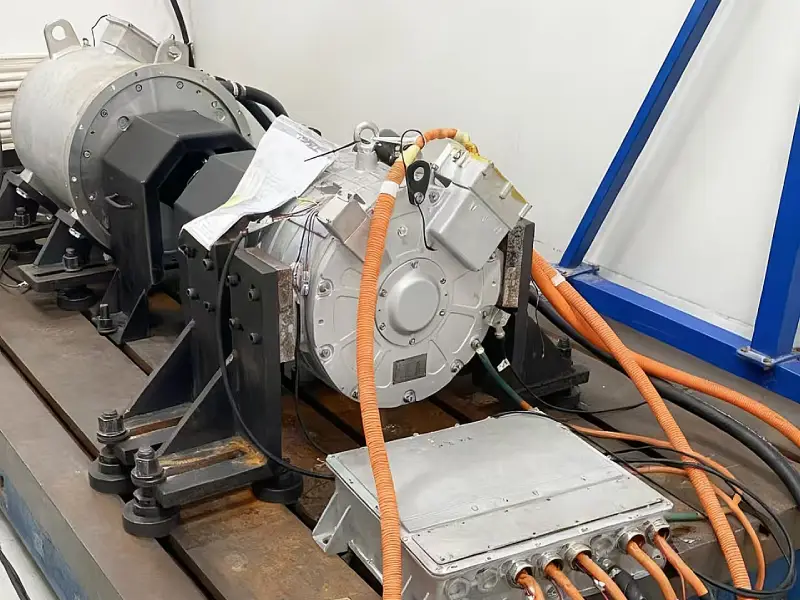
Motor selection is followed by simulation, testing and calibration to verify that the powertrain meets the vehicle’s performance requirements.
A typical development process includes:
- Simulation and calculation: Evaluate motor power, torque, speed and drivetrain ratios against vehicle weight, target speed and road conditions.
- Powertrain bench testing: Test the motor and transmission system under defined operating conditions.
- Vehicle testing: Assess performance under actual driving conditions, including loaded operation and different road profiles.
- Environmental testing: Evaluate performance at high temperatures, high altitudes and low temperatures.
- Calibration and optimization: Adjust the motor, transmission, rear axle and tire configuration based on test results.
Changes to the original drivetrain configuration also require evaluation.
For example, some electric light truck operators replace 7.00 tires with larger 7.50 or 8.25 tires to increase ground clearance or meet different operating requirements. According to the reference data, this change may increase energy consumption by approximately 5%–8% under comparable payload conditions.
The actual impact depends on tire rolling resistance, effective rolling radius, vehicle speed and the resulting drivetrain operating points. Any tire size change should therefore be checked against the existing motor and drivetrain configuration.
4. Electric Truck Motor Selection for Different Light Truck Applications
The following configurations illustrate how motor power requirements vary with vehicle loading, road gradients and operating conditions. In these reference applications, peak motor power ranges from 140 kW to 230 kW.
4.1 Standard-Payload Urban Distribution
| Operating Environment | Road Conditions | Recommended Peak Power | Recommended Rated Power |
|---|---|---|---|
| Plains | Urban roads and expressways, up to 80 km/h | 140 kW | 70 kW |
| Hilly regions | Long uphill sections of approximately 3 km | 160 kW | 80 kW |
| Mountainous regions | Long uphill sections exceeding 10 km | 190 kW | 100 kW |
For standard-payload urban distribution, the motor configuration needs to support normal driving speeds, frequent starting and stopping, and the gradients along the vehicle’s routes. Longer and steeper climbs call for higher continuous and peak output.
4.2 Heavy-Payload Intercity Transport
| Operating Environment | Road Conditions | Recommended Peak Power | Recommended Rated Power |
|---|---|---|---|
| Plains | Highway operation, up to 90 km/h | 160 kW | 80 kW |
| Hilly regions | Highway gradients up to 6% | 210 kW | 100 kW |
| Mountainous regions | Long uphill sections exceeding 20 km | 230 kW | 140 kW |
Heavy-payload intercity transport places greater demands on continuous motor output, especially at highway speeds and on extended uphill routes.
Rated power is particularly important during long climbs because the motor must sustain the required output over an extended period. Peak power supports short periods of additional demand.
These configurations are reference recommendations from the source material, not universal specifications. Final motor selection should be based on the actual vehicle parameters and validated operating requirements.
5. Single-Speed vs. Two-Speed Electric Axles for Electric Trucks
A two-speed electric axle provides different gear ratios for different driving speeds. Its effect on energy consumption depends on the shift strategy and vehicle operating conditions.
In some light truck applications, gear changes are triggered mainly by vehicle speed. For example, the system may shift from first to second gear at around 40 km/h. If the shift logic does not account for vehicle load and road gradient, the selected gear may not suit the actual driving conditions. This can reduce the expected efficiency benefits and cause shift shocks if calibration is inadequate.
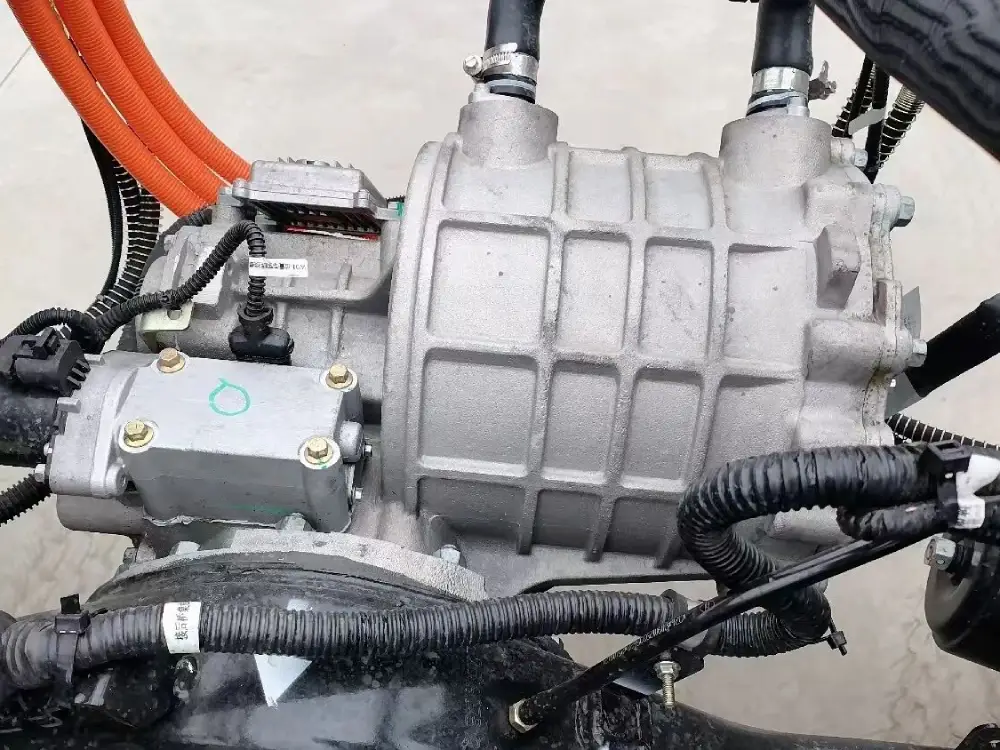
For the light truck applications discussed here, two-speed electric axles are mainly used to improve climbing capability under heavy-load conditions, particularly on long mountainous routes where peak motor power requirements exceed 210 kW. They are not primarily intended as an energy-saving solution.
When selecting between single-speed and two-speed electric axles, engineers should evaluate:
- Gross vehicle weight and axle load.
- Starting and climbing torque requirements.
- Maximum vehicle speed.
- Road gradients and typical operating routes.
- Motor efficiency across the operating range.
- Gear ratios and shift calibration.
For urban distribution vehicles with relatively moderate loads and road gradients, a properly matched single-speed electric axle is often sufficient. Two-speed configurations are more relevant to vehicles that regularly carry heavy loads on steep or extended uphill routes.
Jenwyn Tech: Electric Powertrain and Rolling Chassis Solutions
Jenwyn Tech provides electric powertrain systems and chassis platform solutions for commercial vehicles, supporting different electrification requirements and vehicle applications.
Our product and solution portfolio includes:
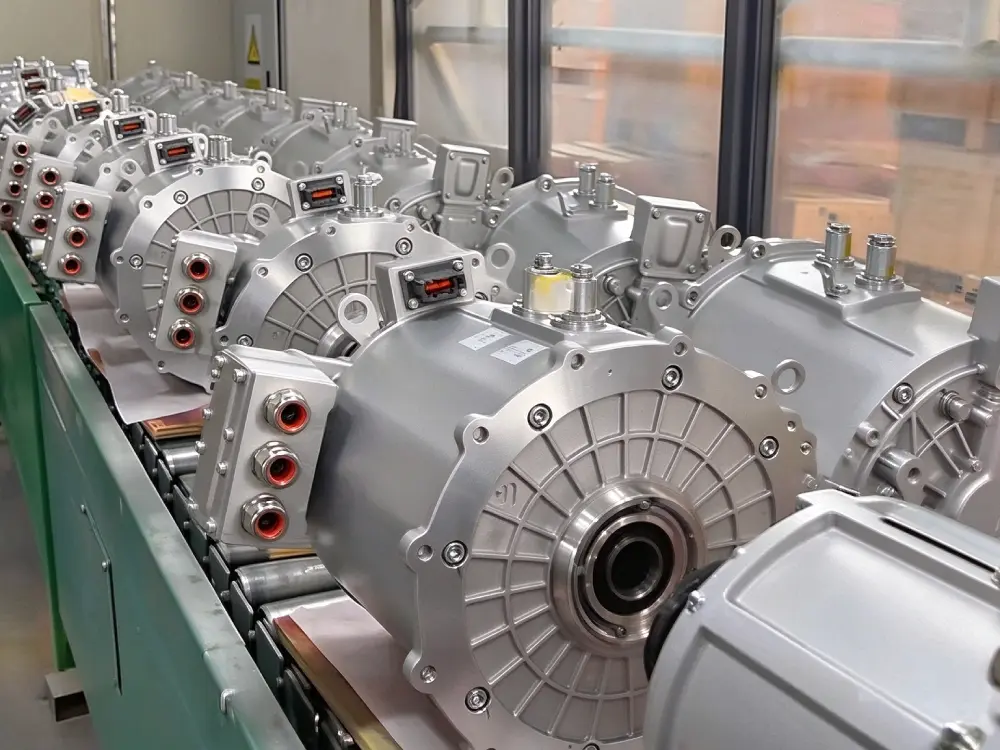
- Traction Motors: Rated power from 30–330 kW, with peak power from 60–450 kW, covering a range of light commercial vehicle power requirements.
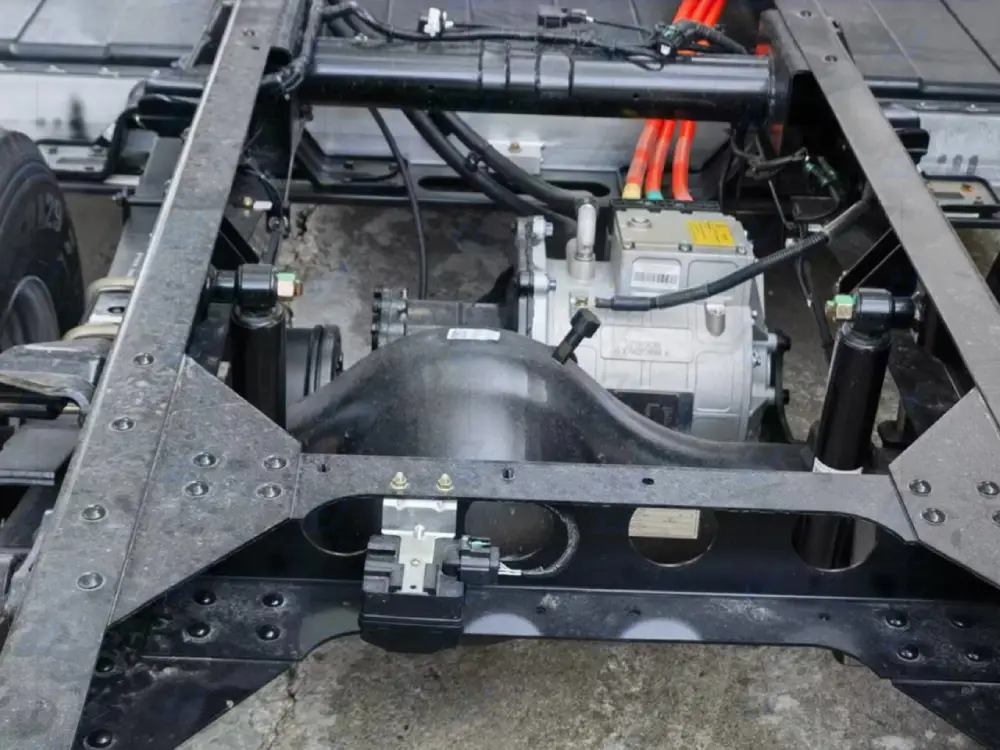
- Electric Axles: Integrated electric drive solutions with axle load capacities from 1.8 to 13 tonnes.
- Range Extenders: Range extender solutions for applications requiring extended driving range and greater operational flexibility.
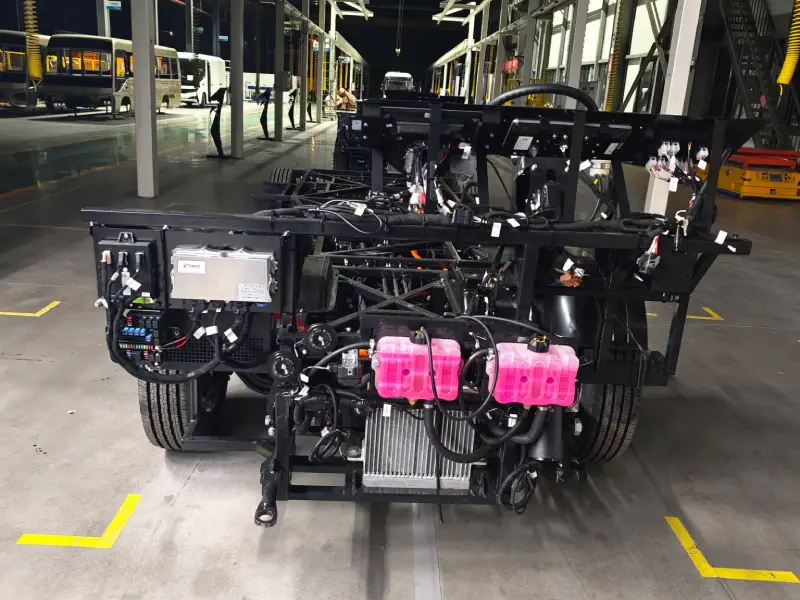
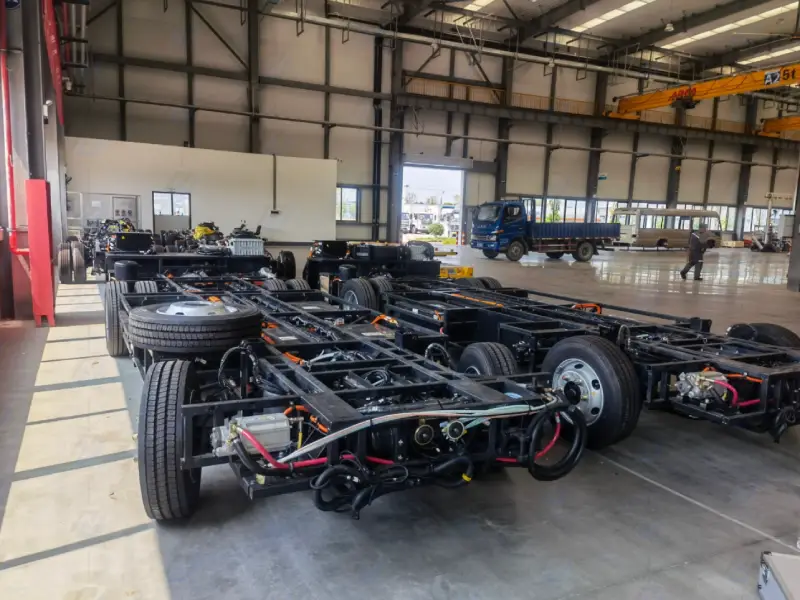
- BEV and Range-Extended LCV Truck Chassis: Established electric truck chassis platforms that can be adapted for different vehicle configurations, battery capacities, body applications and operating conditions.
Engineering Support and Project Value
With over 15 years of experience in automotive and electric vehicle engineering, Jenwyn Tech supports customers from component selection and powertrain matching to system integration and vehicle adaptation.
By using established powertrain components and chassis platforms, customers can reduce initial R&D investment, shorten development cycles and lower the engineering workload involved in developing an electric commercial vehicle. Flexible configurations and customization support also allow OEMs and vehicle integrators to adapt solutions to their target markets and specific operating requirements.
Whether you need individual electric drive systems or a complete LCV chassis platform, we can support your project with application-oriented solutions. You can get in touch with us at contact@jenwyntech.com or fill in the form below.