
When evaluating an electric central drive vs electric axle architecture for heavy-duty commercial EVs, the selection is not about theoretical superiority. It is an engineering choice governed by operational duty cycles, chassis packaging constraints, and total cost of ownership (TCO).
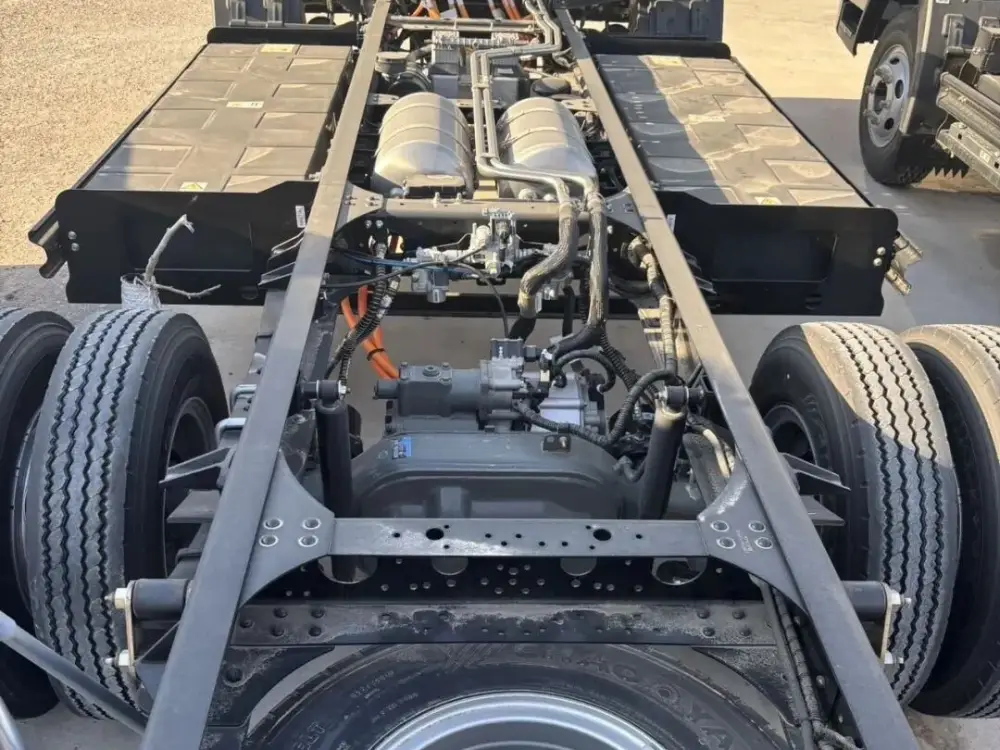
While an electric axle (eAxle) provides higher driveline efficiency (94%–95%), weight reduction (saving up to 400+ kg), and clears frame space for under-chassis battery packs, an electric central drive remains practical in severe duty environments due to lower upfront capital costs, proven mechanical durability, and straightforward field serviceability.
Understanding where each architecture fits requires analyzing real-world operating profiles alongside mechanical specifications.
1. Architectural Comparison: Electric Central Drive vs Electric Axle
The fundamental difference between these two systems lies in modular layout versus high-density integration:
1.1 Electric Central Drive Architecture
An electric central drive adapts the driveline configuration of a conventional diesel truck: the internal combustion engine and gearbox are replaced by a chassis-mounted electric motor and reduction transmission, while retaining the cardan propshaft, intermediate bearings, and traditional drive axle.
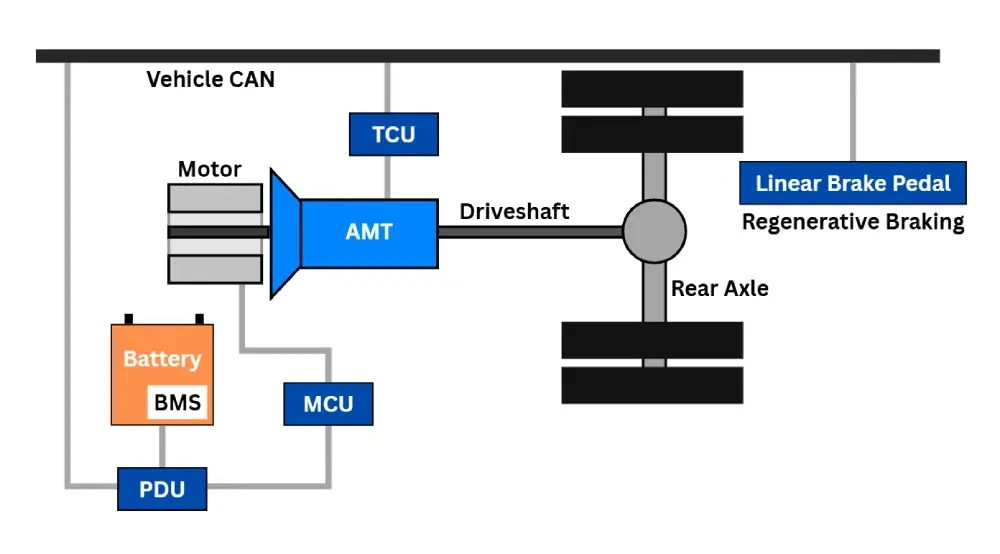
- Chassis Space: The central motor, transmission, and rotating propshaft occupy the central corridor between the chassis frame rails, restricting space for under-chassis components.
- Transmission Efficiency: Driveline friction across universal joints, intermediate support bearings, and the hypoid bevel gear set results in an overall mechanical efficiency of approximately 85%.
1.2 Electric Axle (eAxle) Architecture
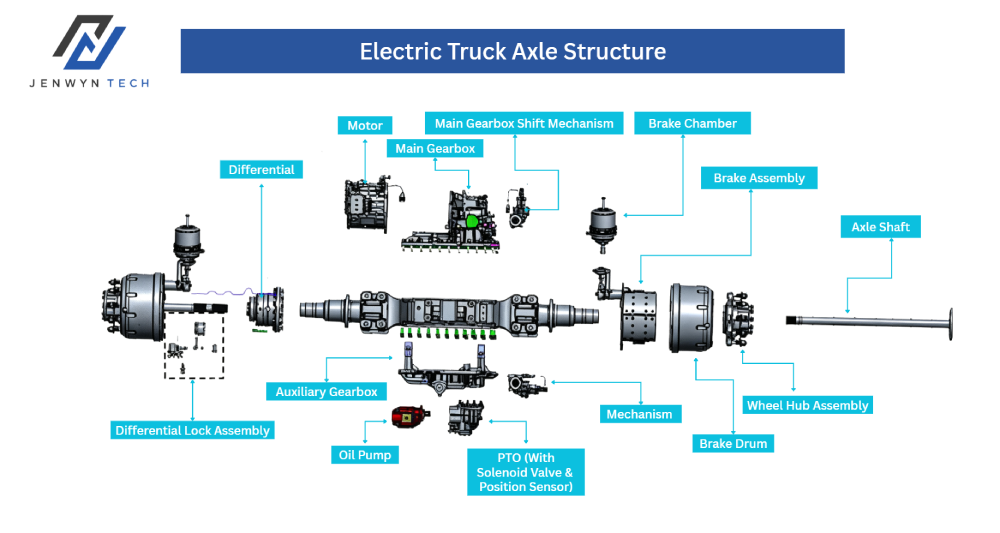
An electric axle integrates the traction motor, reduction gearbox, and differential directly onto the axle housing, eliminating the driveshaft and hypoid bevel gearing.
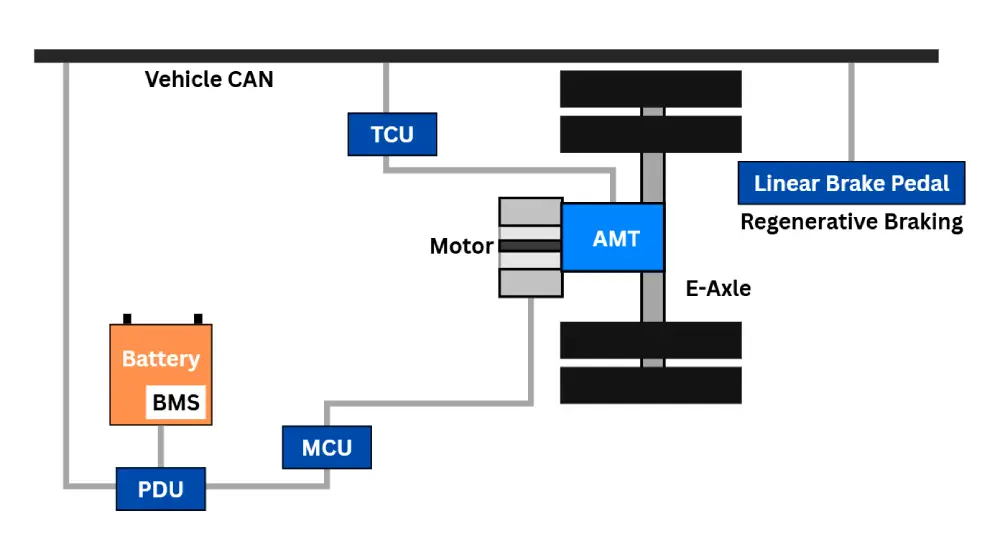
- Transmission Efficiency: Power transfers through parallel-shaft or planetary gear arrangements with fewer reduction stages, reaching 94% to 95% system efficiency. This reduces energy consumption by roughly 10% compared to a central drive.
- Example: The JEA130-380-D4-01 heavy truck eAxle uses a dual-motor drive with a 4-speed automated manual transmission (AMT), achieving 94% efficiency via a lightweight cast-aluminum casing and a 2×2 gear architecture.
- Weight Reduction: Eliminating the driveshaft, universal joints, and secondary reduction hardware significantly reduces tare weight.
- Example: The single-motor 4-speed JEA130-190-S4-01 eAxle reduces driveline weight by approximately 439 kg compared to an equivalent direct-drive central configuration.
- Dynamic Control: With fewer mechanical joints and reduced backlash, electronic torque response is more immediate, improving traction control, ADAS integration, and regenerative braking energy recovery.
2. Operational Realities: Electric Central Drive vs Electric Axle
When comparing an electric central drive vs electric axle in commercial fleet operations, technical efficiency must be balanced against commercial realities.
2.1 Capital Expenditure (Capex)
An electric axle integrates high-speed traction motors, precision planetary or parallel gearing, and dedicated lubrication circuits into a single housing. Consequently, its manufacturing and procurement costs are higher than those of an electric central drive built with mature, high-volume mechanical parts. In low-margin transport segments operating on extended payment cycles, an upfront cost represents a direct cash-flow constraint.
2.2 Severe-Duty Durability
- Electric Axles: The traction motor is mounted directly to the axle beam, subjecting it to higher unsprung or semi-unsprung dynamic vibration. Continuous high-torque operation on rough ground places strict demands on motor winding insulation, gear contact fatigue, and thermal dissipation. Furthermore, certain multi-axle configurations present challenges in implementing traditional inter-axle differential locks required for extreme off-road traction.
- Electric Central Drives: The motor and transmission are mounted to the vehicle chassis frame (sprung mass), isolating sensitive electrical components from direct road impact.
2.3 Maintenance and Downtime
- Electric Central Drives: Fleets can service propshafts, universal joints, and mechanical axles using common workshop tools and existing service networks, keeping vehicle downtime to a minimum.
- Electric Axles: Diagnostic and mechanical repairs require specialized technician support, cleanroom-grade equipment, or complete module replacement. In remote mining areas or secondary transport hubs, this can extend vehicle downtime.
3. Application-Driven Selection
The economic viability in the electric central drive vs electric axle decision depends heavily on the vehicle’s specific operational envelope:
3.1 Highway Freight and Express Logistics: The Electric Axle Domain
- Operating Conditions: Paved road networks, high daily utilization, standardized payload limits, and high annual mileage.
- Economic Factor: Operating expenditure (Opex/electricity) represents the largest share of total lifecycle cost.
- Field Results: In a commercial freight application, an express carrier deployed 36 eAxle heavy-duty trucks in early 2025 and added 100 more units in January 2026. Combined with off-peak charging schedules, the fleet achieved an average consumption of 1.15 kWh/km, while the 100–200 kg tare weight reduction directly increased revenue payload per trip.
3.2 Short-Haul Bulk Material and Mining: The Electric Central Drive Stronghold
- Operating Conditions: Short transport distances (<100–150 km/day), unpaved roads, severe dust, steep gradients, and frequent overload risks.
- Economic Factor: Low freight rates mean initial purchase price (Capex) and fast fleet turnaround dominate decision-making, while sensitivity to power consumption is secondary.
- Field Results: An electric central drive provides the structural robustness, familiar maintenance access, and lower acquisition costs required to keep fleet downtime low.
4. Battery Packaging: Accommodating 400 kWh to 600+ kWh Systems
As heavy commercial vehicles adopt battery capacities of 400 kWh, 500 kWh, and 600+ kWh, physical packaging within the chassis has become a critical engineering constraint.
4.1 Limitations of Back-of-Cab “Backpack” Mounting
In an electric central drive configuration, the motor and driveshaft occupy the center of the frame rails, forcing battery packs to be stacked vertically behind the cab:
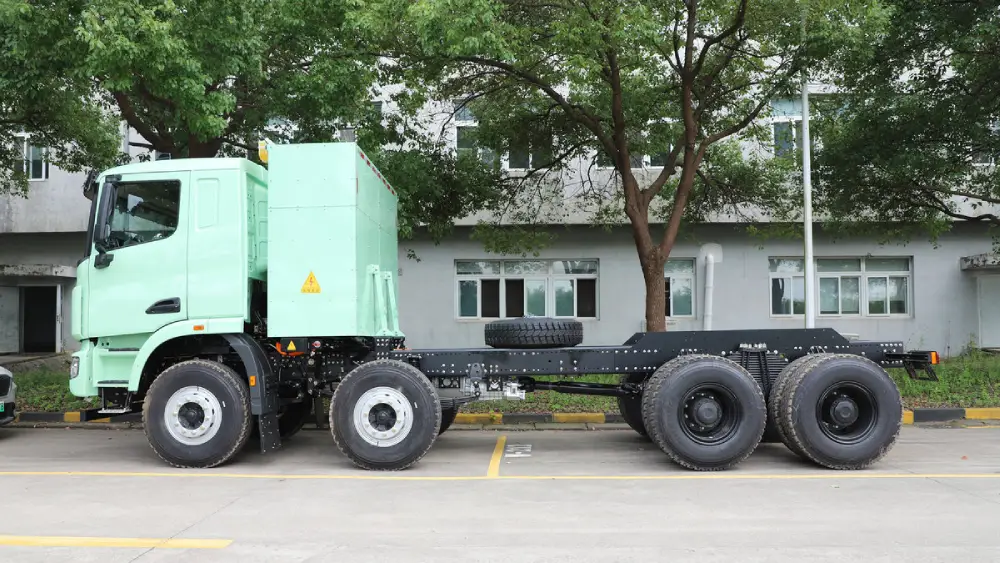
- Raises the vehicle’s center of gravity, increasing rollover risk.
- Concentrates mass over the front suspension, accelerating front tire wear.
- Consumes frame length, limiting trailer and cargo space under legal length restrictions.
4.2 The Electric Axle Packaging Advantage
Eliminating the driveshaft clears the space inside the ladder frame. This enables under-chassis, side-rail battery mounting or flat bottom-pack swapping:
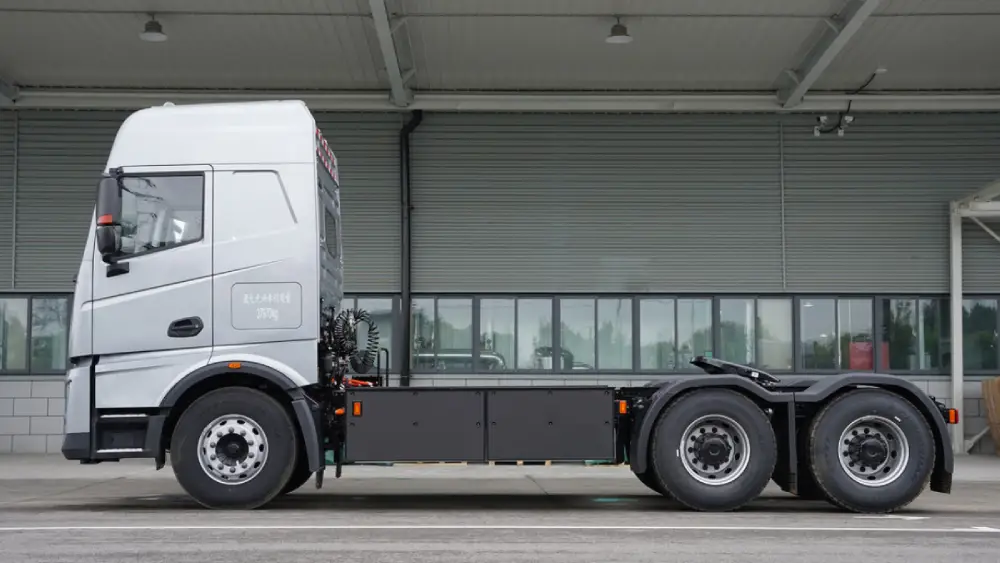
- Lowers the center of gravity to improve high-speed dynamic stability.
- Distributes load evenly between steer and drive axles.
- Provides the physical volume needed to package 400 kWh to 600+ kWh battery systems, making long-distance regional electric haulage commercially practical.
5. Technical Comparison: Electric Central Drive vs Electric Axle
| Feature | Electric Central Drive | Integrated Electric Axle (eAxle) |
|---|---|---|
| System Efficiency | ~85% (Mechanical losses via propshaft & bevel differential) | 94% – 95% (Direct parallel/planetary gearing) |
| Driveline Weight | Standard baseline | 100 kg to 439 kg lighter |
| Chassis Space | Occupied by motor, transmission, and propshaft | Clear center frame; accommodates 400–600+ kWh bottom packs |
| Initial Purchase Cost | Lower (Utilizes high-volume mechanical parts) | Higher (High-precision integrated assemblies) |
| Maintenance Profile | Simple; serviceable by conventional truck workshops | Specialized; requires dedicated tools or module replacement |
| Vibration Isolation | High (Traction motor mounted as sprung mass) | Moderate (Requires reinforced housing & vibration damping) |
| Primary Applications | Mining, construction sites, short-radius bulk haulage | Highway logistics, express freight, regional transport |
6. Engineering Perspective
When resolving the electric central drive vs electric axle architecture choice for a new platform, align the system directly with the target duty cycle:
- Specify an Electric Central Drive for cost-sensitive vocations, unpaved off-highway environments, and applications where fast, simple workshop repairs are necessary to maintain fleet uptime.
- Specify an Integrated Electric Axle for high-mileage highway haulage, express logistics, and dedicated platforms requiring 400+ kWh under-chassis battery integration where energy efficiency and payload determine profitability.
Electric Powertrain Solutions from Jenwyn Tech
Jenwyn Tech supplies production-ready commercial EV powertrain systems to vehicle manufacturers and system integrators:
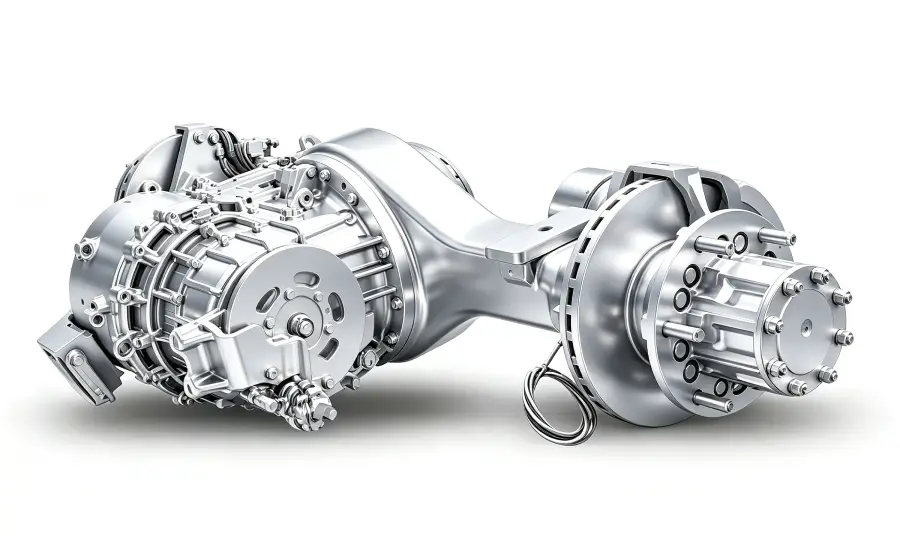
- Integrated Electric Truck Axles: Series-production single-motor and dual-motor multi-speed electric axles.
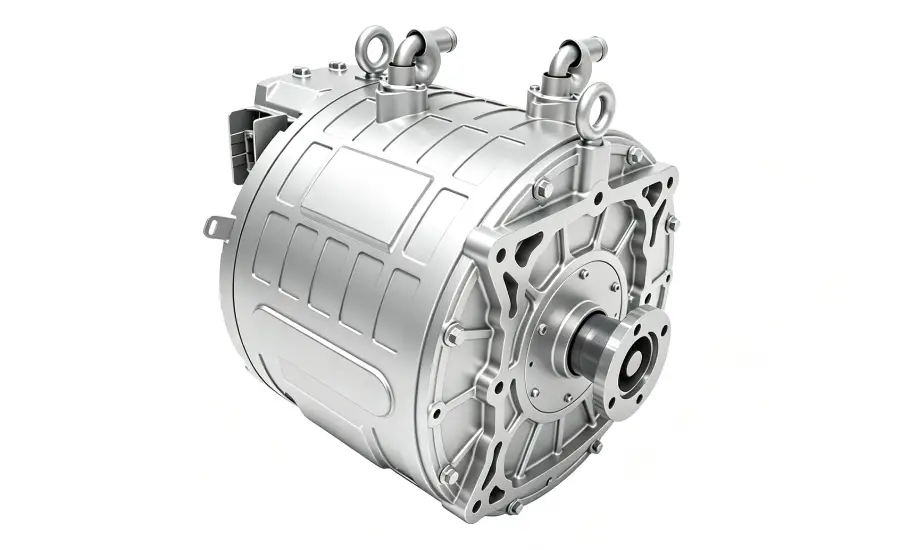
- Traction Motors & Controllers: High-efficiency central motors and matched inverters.
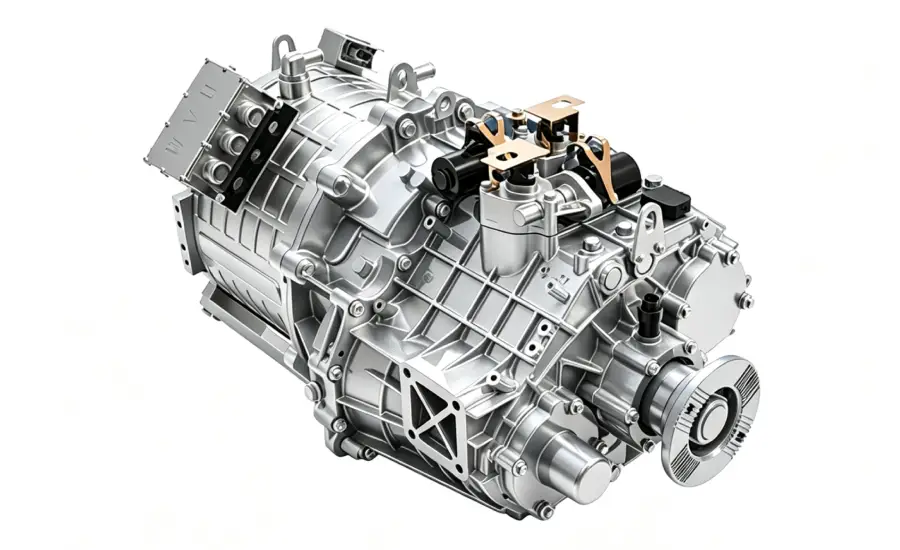
- Integrated Electric Central Drive Units: Integrating the EV traction motor with the multi-speed AMT for HCVs.
Email us at contact@jenwyntech.com or fill out the inquiry form below to discuss your project requirements.