
Key Takeaways
In mining excavator electrification, a common engineering misconception is that the electric motor’s rated power can be scaled down simply because electric motors achieve higher energy efficiency than diesel engines.
From a powertrain and fluid power engineering perspective:
- Efficiency Does Not Reduce Mechanical Load: Higher motor efficiency (~95% vs. <45% for diesel) lowers electrical input energy; it does not eliminate or reduce the mechanical shaft power required by the hydraulic pumps to cycle the boom, arm, and bucket.
- Sizing Follows the Hydraulic Duty Cycle: Excavators operate through repeated hydraulic work cycles with substantial short-duration power peaks and sustained high-load periods. The continuous rated power of the electric motor must be determined from actual hydraulic pump power demand and thermal limits, while peak motor capability should be reserved for transient load spikes.
- Case Validation: In a 115-ton mining excavator project where a 567 kW diesel engine was replaced by an electric motor with a continuous rating of 675 kW, field operating data showed an energy cost reduction of approximately 67% per loaded ton, while demonstrating that continuous thermal management determines uninterrupted machine availability.
1. Power Sizing vs. Energy Efficiency: The Core Distinction
In heavy equipment electrification, power sizing and energy efficiency address two fundamentally different engineering questions:
- Power Sizing: How much continuous and peak mechanical power does the hydraulic system actually require to complete its work cycles?
- Energy Efficiency: How much input energy (fuel or electricity) is consumed to deliver that required mechanical power?
A hydraulic pump requiring 500 kW of mechanical input power to deliver a specific flow and pressure requires that exact mechanical power regardless of the prime mover. An electric motor draws substantially less source energy to deliver that shaft power than an internal combustion engine, but the physical work required at the pump driveshaft does not change.
Engineering Rule: For heavy-duty excavators operating under sustained high loads, the continuous rated power of the electric motor should be determined from actual hydraulic power demand and the machine’s duty cycle, rather than reduced simply because electric motors have higher peak efficiency.
2. Work Cycle Demands: Excavators vs. Mining Haul Trucks
Selecting a powertrain for mining excavator electrification requires a different engineering framework than sizing a powertrain for an electric haul truck:
- Mining Haul Trucks: The operating cycle alternates between high-power acceleration, steady grade climbing, and extended downhill hauling. On loaded-downhill routes, haul trucks utilize continuous regenerative electric retarding to harvest gravitational potential energy and recharge the battery.
- Mining Excavators: Unlike haul trucks, excavators generally do not have long loaded downhill phases that offer comparable opportunities for regenerative braking. Instead, energy demand is dominated by repeated hydraulic work cycles involving digging, lifting, swinging, dumping, and returning.
Because an excavator relies on hydraulic pumps that draw cyclic yet sustained power during active production, the electric motor must deliver continuous power across long operating shifts without thermal derating.
3. Continuous (Rated) Power vs. Peak Power
Electric motors are characterized by two distinct ratings:
- Peak Power: Available for a limited duration, depending on the motor, inverter, and thermal operating limits. This capability is useful for covering short-duration load peaks, such as bucket stall when prying unfragmented material.
- Rated / Continuous Power: Represents the mechanical power the motor can sustain continuously under specified operating and cooling conditions.
If an electric motor is undersized under the assumption that peak power can compensate for an inadequate continuous rating, prolonged heavy digging will push motor or inverter temperatures beyond their operating limits. When this occurs, the control system will enter thermal derating, reducing available hydraulic pump power and extending cycle times.
Additionally, the fast torque and speed response of an electric motor can provide more responsive control of hydraulic pump input speed, when properly integrated with the hydraulic control system.
4. Case Analysis: 115-Ton Mining Excavator Repower
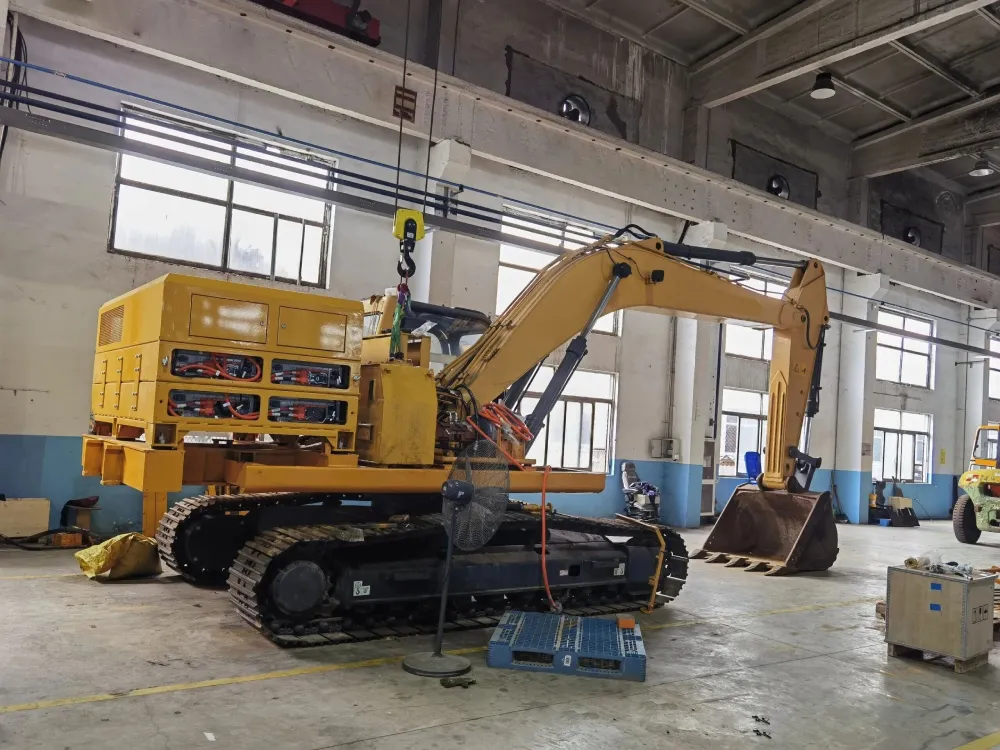
A repower project involving a 115-ton mining excavator demonstrates how these principles apply in practice:
Machine Baseline
- Operating Weight: 115,000 kg (115 tonnes)
- Original Diesel Engine: 567 kW @ 1,800 rpm
- Bucket Capacity: 5.2 to 8.5
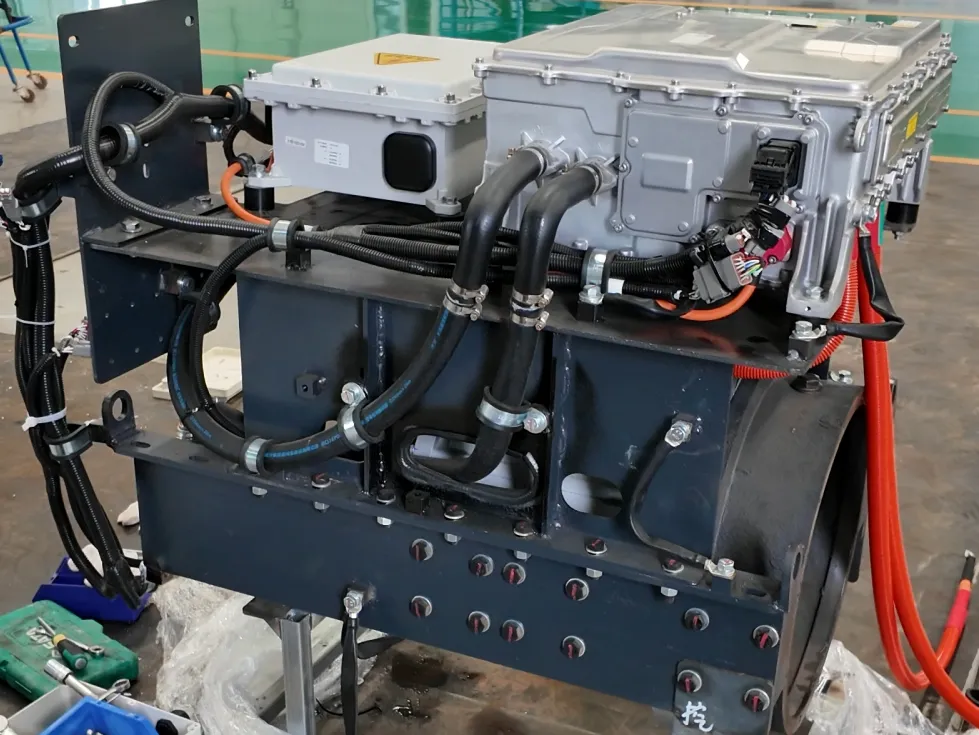
m3 - Electric Powertrain Architecture: High-voltage, high-speed oil-cooled motor paired with an integrated power conversion and auxiliary control cabinet, powered via a tethered cable reel system.
- Installed Electric Motor Continuous Rating: 675 kW
Context Behind the 675 kW Motor Selection
The 675 kW continuous rating was selected to provide sufficient continuous power for the hydraulic system under the project’s demanding operating conditions, with additional margin for auxiliary loads and thermal management.
Specifying a higher continuous rated power than the original diesel engine does not mean the electric system is inherently less efficient. Instead, it reflects the necessity of ensuring the motor operates within its continuous thermal limits during sustained high-load digging, avoiding thermal derating when hydraulic loads remain elevated.
5. Thermal Management Considerations in Harsh Environments
Field trials conducted in an open-pit mine characterized by extreme arid heat and high ambient dust highlighted the importance of thermal management under demanding conditions.
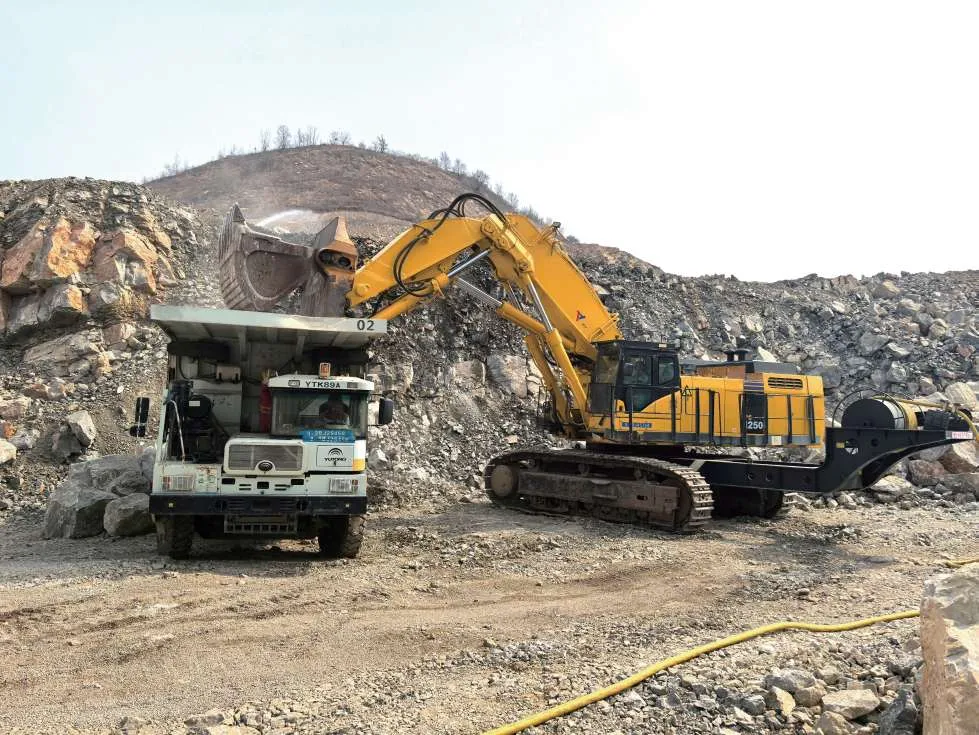
Under sustained high-load cycles, heat builds up across the power electronics and motor:
- System Separation: A properly designed liquid/oil cooling system helps maintain motor and inverter temperatures within specified operating limits. Where mobile battery buffer systems are used, battery thermal management must be handled through a dedicated circuit to maintain appropriate cell temperature windows.
- Preserving Continuous Output: Adequate cooling capacity helps maintain rated power availability and avoid thermal derating under elevated ambient temperatures, preserving consistent hydraulic cycle performance.
6. Energy Savings and Operating Cost Analysis
Field operating data collected from the 115-ton repowered excavator demonstrated clear operating cost differences compared to the diesel baseline:
- Energy Cost per Ton: Field operating data showed that energy cost per loaded ton decreased by approximately 67% compared to the baseline diesel configuration.
- Consumables: Diesel-engine-related consumables (engine oil, fuel filters, and exhaust aftertreatment fluids) were eliminated, while standard hydraulic and mechanical fluids remained in service.
- Evaluation Baseline: The approximately 67% reduction in energy cost per loaded ton provides a factual basis for evaluating operating-cost savings under different fleet utilization schedules and local utility tariffs.
Summary of Electric Powertrain Sizing Principles
- Efficiency does not downsize mechanical power demand: Electric motor efficiency lowers energy draw from the source; it does not reduce the shaft power demanded by the hydraulic pump group.
- Size continuous power for the duty cycle: Sizing must account for sustained multi-pump flow, pressure requirements, and auxiliary loads under actual working conditions.
- Reserve peak power for transients: Rely on motor peak torque for short-duration breakout peaks, rather than using peak ratings to justify an undersized continuous base.
- Dimension thermal management for continuous load: Adequate cooling capacity is what enables the electric powertrain to deliver its rated continuous power in harsh, high-ambient environments without entering thermal derating.
Jenwyn Tech Heavy Off-Highway Electrification Systems
Jenwyn Tech supplies electric powertrain systems for mining equipment electrification, including high-torque electric motors, controllers, batteries, and auxiliary electrification systems for heavy-duty off-highway platforms.
- Electric powertrain solutions for mining truck electrification
- Electric powertrain solutions for wheel loader electrification
To discuss powertrain matching, continuous motor ratings, and electrical integration for your equipment platform, contact our team at contact@jenwyntech.com