
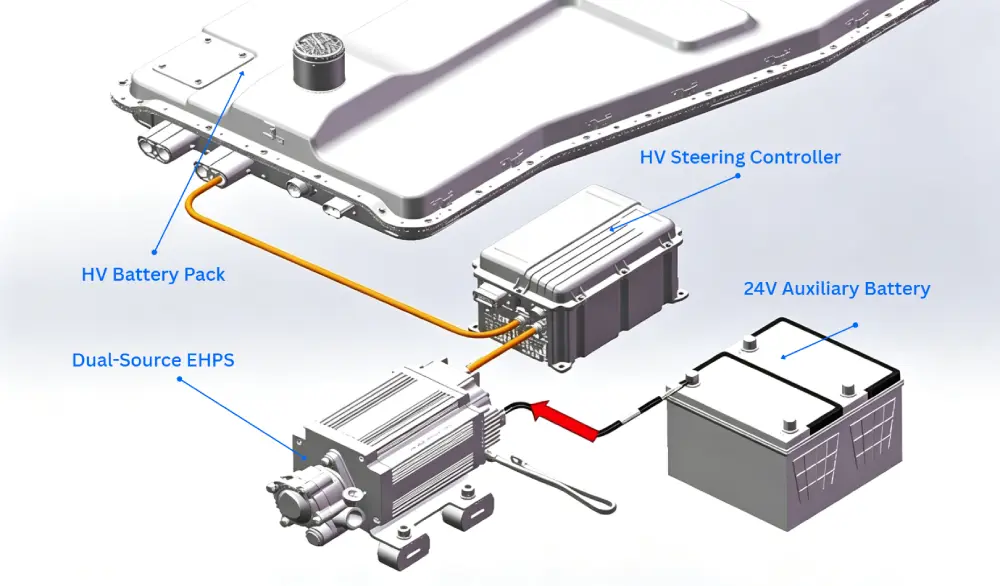
The Dual-Source Electro-Hydraulic Power Steering Pump provides a backup drive path for electro-hydraulic steering systems used in electric vehicles. It combines a vane-type hydraulic pump with a dual-winding permanent magnet synchronous motor, using separate high-voltage and low-voltage power circuits.
The high-voltage circuit operates the pump during normal driving. If a defined high-voltage drive fault occurs, the low-voltage circuit can take over and continue driving the pump to maintain hydraulic steering assistance.
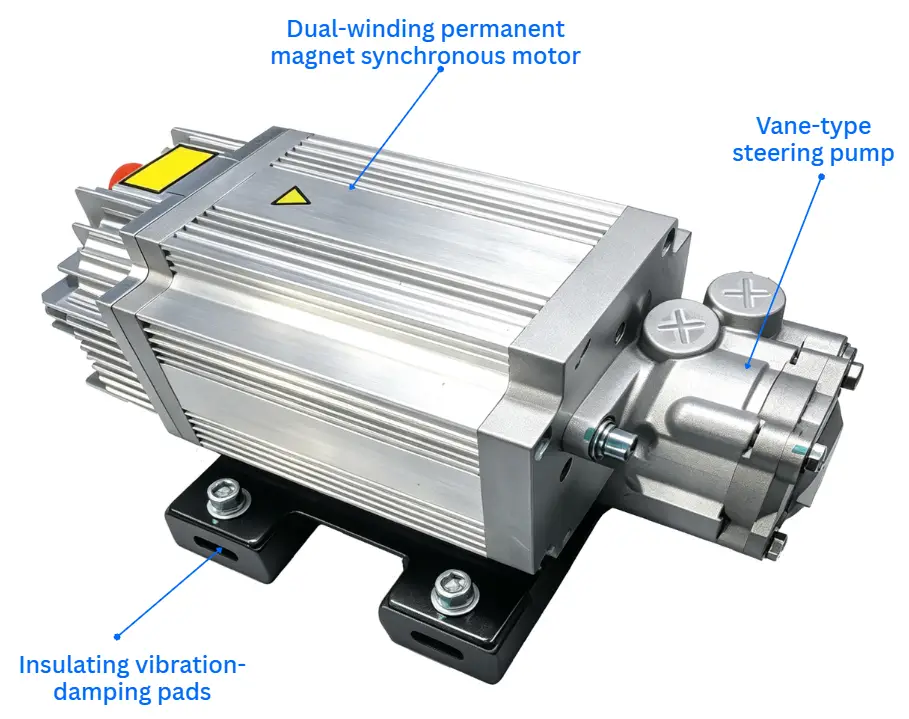
This architecture is suitable for electric buses, heavy commercial vehicles and off-highway vehicles such as mining dump trucks where steering availability is a critical requirement.
Dual-Winding Motor for Redundant Drive
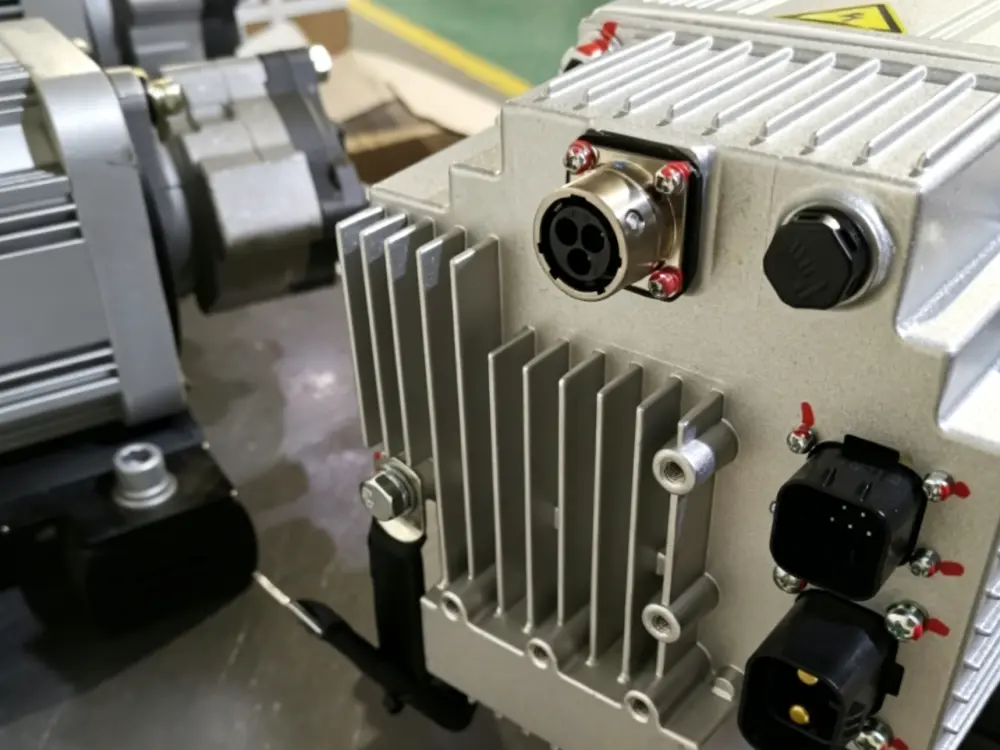
The pump assembly integrates a dual-winding PMSM, vane-type hydraulic pump, controller and magnetic encoder.
The motor uses a common rotor and shaft, while the high-voltage and low-voltage windings are electrically independent. Each winding is controlled through its own power circuit.
- High-voltage winding: Primary drive for normal operation
- Low-voltage winding: Backup drive for emergency operation
- Integrated controller: Controls the motor and switching between operating states
- Magnetic encoder: Provides motor-speed feedback
- Vane-type pump: Generates hydraulic pressure for the steering system
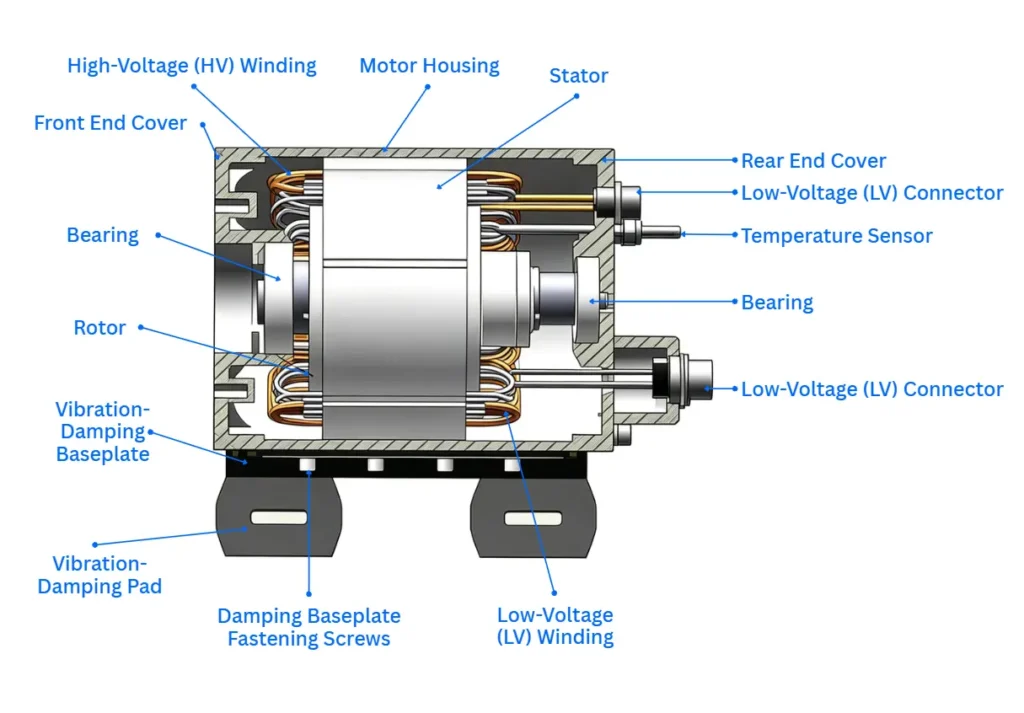
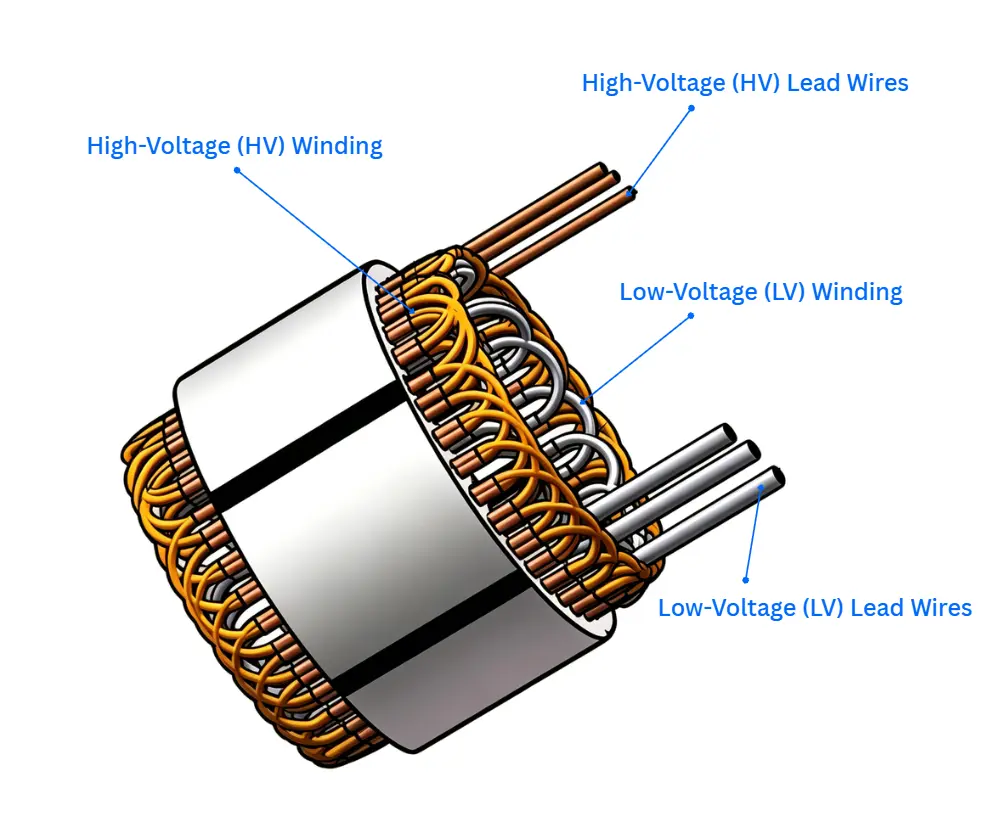
The two electrical drive paths are separated at the power and motor-winding level, allowing the low-voltage winding to remain available when the high-voltage drive path is shut down.
How the Dual-Source Electro-Hydraulic Power Steering Pump Works
During normal operation, the VCU enables the high-voltage DC/AC controller, which drives the high-voltage motor winding. The 24 V EHPS controller remains in standby.
When the high-voltage controller enters a defined shutdown fault, the VCU disables the high-voltage drive and enables the low-voltage EHPS controller. The low-voltage winding then drives the same hydraulic pump.
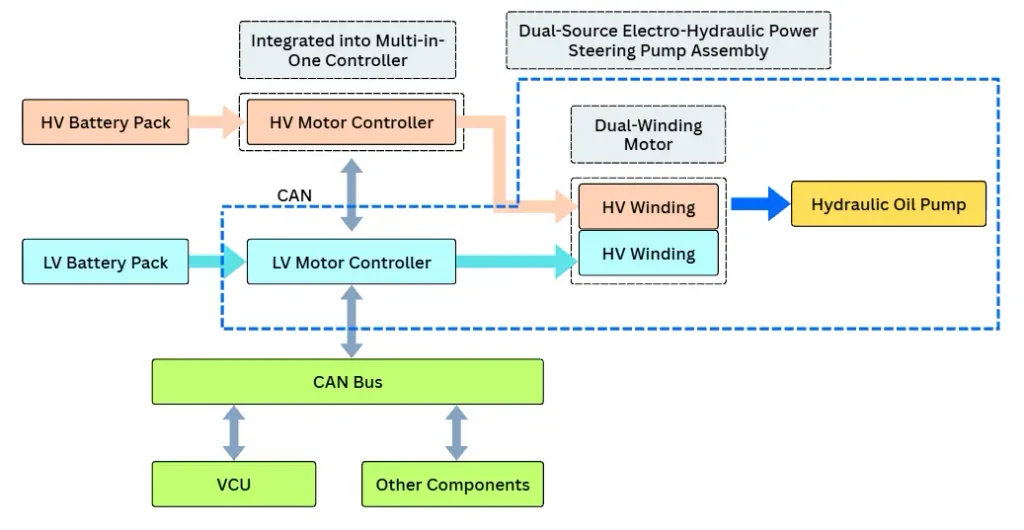
Normal operation
HV battery → HV controller → HV winding → Hydraulic pump → Steering system
High-voltage fault
24 V battery → LV EHPS controller → LV winding → Hydraulic pump → Steering system
A high/low-voltage interlock prevents the two drive paths from operating the motor simultaneously. The switching logic also uses motor-speed feedback to coordinate the transition between the two operating states.
Under the specified emergency conditions, the low-voltage circuit can provide steering assistance at vehicle speeds above 5 km/h.
Application: Electric Off-Highway Vehicles
The dual-source architecture is particularly relevant to (hybrid) electric dump trucks.
Conventional diesel dump trucks can use the engine to drive a hydraulic steering pump. Electric vehicles require an independent electric motor to drive the pump and generate hydraulic pressure.
In a typical full-hydraulic steering system, the pump supplies pressurized oil through a priority valve to the hydraulic steering gear. Steering-wheel input controls hydraulic flow to the steering cylinders.
For this type of vehicle, a failure in the high-voltage battery, controller or related electrical circuit could interrupt the primary pump drive. The dual-source EHPS pump provides a low-voltage backup path, allowing the same hydraulic pump to continue operating after a defined high-voltage fault.
Application: Electric Buses
Electric buses can also benefit from a dual-source electro-hydraulic power steering architecture where continued steering assistance is required following a high-voltage system fault.
The high-voltage circuit provides the primary pump drive during normal operation, while the 24 V circuit remains available as the backup. When the high-voltage drive is shut down due to a defined fault, the low-voltage winding takes over through the EHPS controller.
This provides an additional level of redundancy without requiring a second complete hydraulic steering system.
A Practical Redundancy Solution for EHPS
The dual-source electro-hydraulic power steering pump adds a second electrical drive path to the hydraulic steering pump without duplicating the complete hydraulic system.
With a high-voltage primary winding, a low-voltage backup winding and coordinated switching control, the system provides continued electro-hydraulic steering assistance following a defined high-voltage drive fault.
It is designed for electric buses, heavy commercial vehicles and off-highway platforms where steering availability and system redundancy are important design considerations.
Jenwyn Tech Dual-Source Electro-Hydraulic Power Steering Systems
Jenwyn provides dual-source EHPS for electric buses, heavy commercial vehicles and off-highway platforms, covering different vehicle voltage and steering requirements.
| # | Rated / Peak Power | Rated Voltage | Low Voltage | Maximum Pressure | Maximum Flow |
|---|---|---|---|---|---|
| 1 | 1.5 kW / 3 kW | 237 VAC / 353 VAC | 12 VDC / 24 VDC | 13 MPa | 12 L/min |
| 2 | 2.2 kW / 4.4 kW | 353 VAC | 24 VDC | 14 MPa | 14 L/min |
| 3 | 3 kW / 7.5/9 kW | 353 VAC | 24 VDC | 20 MPa | 20 L/min |
| 4 | 5 kW / 12 kW | 353 VAC | 24 VDC | 20 MPa | 30 L/min |
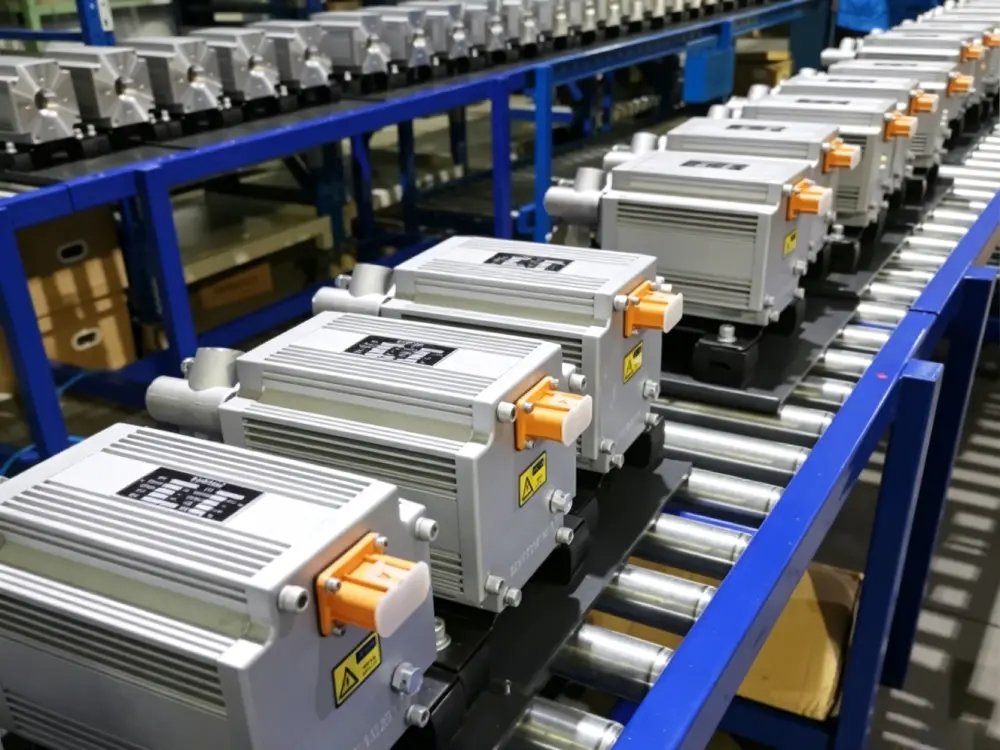
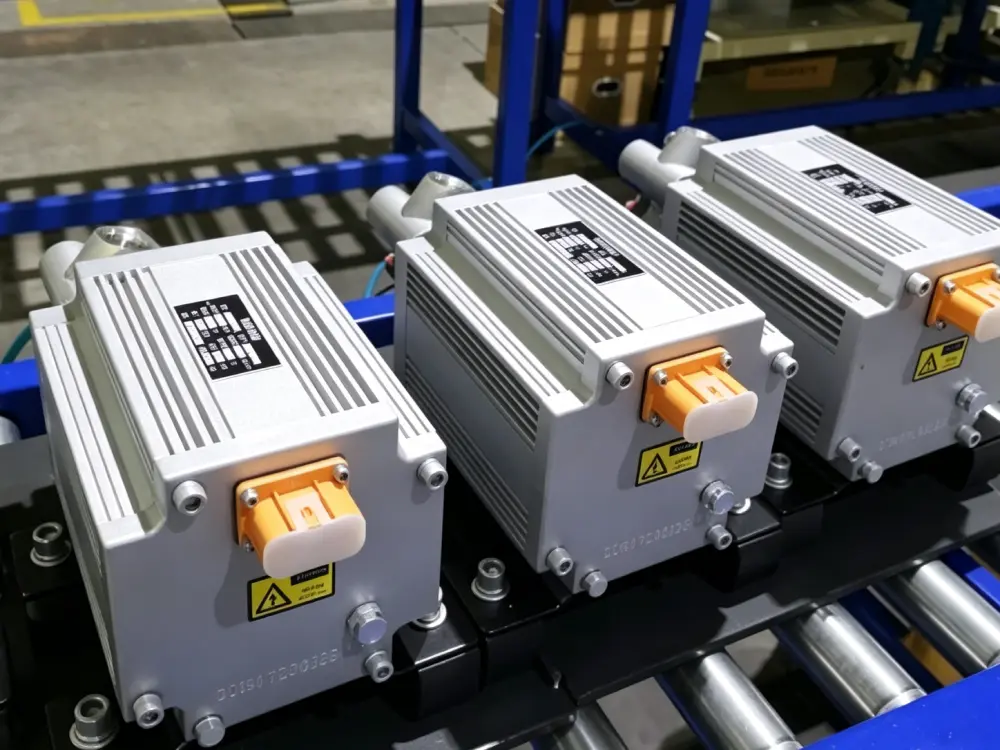
Learn more about Jenwyn’s Electro-Hydraulic Power Steering (EHPS) solutions.
Discuss Your Electro-Hydraulic Power Steering Requirements
Looking for a dual-source electro-hydraulic power steering for an electric bus, heavy commercial vehicle or off-highway platform? You can contact our team at contact@jenwyntech.com or complete the form below.