
Key Takeaways
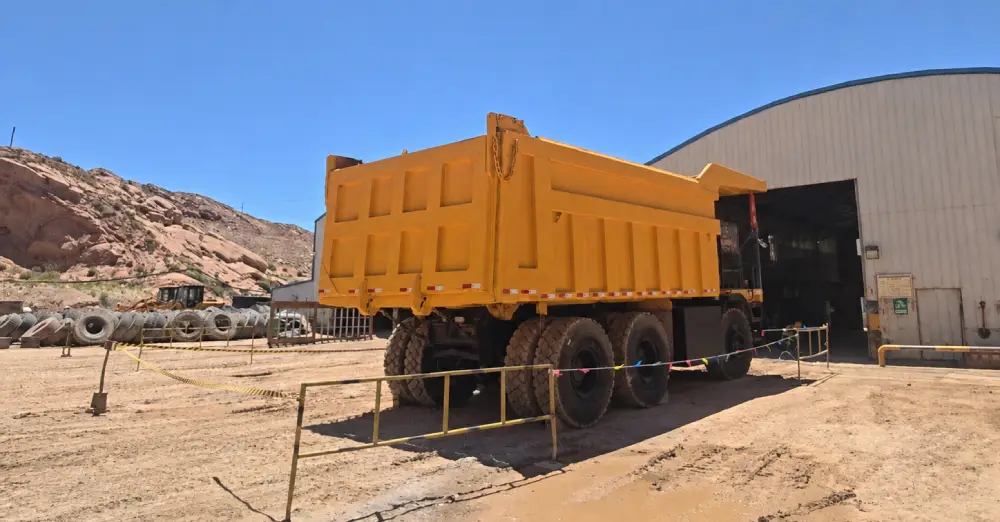
Mining operations represent one of the most commercially viable environments for equipment electrification across the heavy industrial sector. High annual operating hours (5,000–7,000 hours), fixed operational routes, and high fuel expenditure make mining equipment electrification a strategic path to cost control.
- Underground vs. Surface Operations: Underground mines yield the highest immediate health and economic benefits by cutting 40%–60% of ventilation electricity costs through zero tailpipe emissions. Surface mines maximize efficiency through repetitive cycles and structured fast-charging or battery-swapping infrastructure.
- TCO Payback: Energy costs for electric machinery are typically 10% to 40% of equivalent diesel fuel costs, with maintenance expenses dropping by over 30%. Industry payback periods generally range from 2 to 4 years for electric haul trucks and 1.5 to 3 years for tethered excavators.
- Execution Over Hardware: Project success relies on rigorous control across five dimensions: upfront route and grid planning, equipment conversion standards (IP67+, mine-safe LFP, weight rebalancing), infrastructure reliability, standardized O&M, and uninterrupted production scheduling.
1. Why Mining Operations Naturally Fit Electrification
Mining machinery operates in closed, repetitive environments with high utilization, creating ideal conditions for transitioning from diesel to electric power:
Open-Pit Mining: Scale, Efficiency, and Infrastructure
Open-pit operations feature fixed hauling cycles and concentrated equipment clusters. The open terrain simplifies the deployment of centralized battery-swapping stations, high-power charging plazas, and solar-storage microgrids.
- Battery-swapping minimizes downtime to just a few minutes, replacing traditional multi-hour charging stops and protecting daily output.
- Utilizing off-peak nighttime electricity to recharge buffer packs enables continuous 24-hour equipment availability at reduced power rates.
Underground Mining: Critical Ventilation and Health Gains
Underground extraction faces severe challenges from diesel exhaust buildup, high heat dissipation, and rising ventilation costs.
- Replacing diesel loaders and drill rigs with electric units eliminates toxic exhaust and heat at the source.
- Reducing airflow requirements lowers mine ventilation electrical consumption by 40% to 60%, improving underground air quality and operator safety while delivering immediate utility savings.
2. The Five Strategic Drivers for Mining Equipment Electrification
Electrifying mining equipment addresses five fundamental operational requirements:
- Regulatory & Emission Compliance: Non-road emission standards are increasingly stringent. Replacing aging, high-emission diesel units avoids compliance penalties, operational bans, and costly exhaust retrofits.
- Long-Term Cost Reduction: Diesel fuel accounts for 30% to 40% of traditional equipment lifecycle costs. Electric equipment reduces direct energy costs to 10%–40% of diesel expenses, while the absence of engine consumables (filters, engine oil, exhaust aftertreatment) lowers annual maintenance by over 30%.
- Operational Safety: Electric machinery eliminates underground exhaust accumulation, cuts operating noise by up to 50%, and removes fuel tanks, fuel lines, and high-temperature exhaust pipes, significantly mitigating fire risks.
- Digital & Autonomous Integration: High-voltage electronic control systems interface natively with autonomous driving hardware, fleet dispatch platforms, and mine management systems (MES) for real-time monitoring and energy dispatch.
- Supply Chain Competitiveness: Downstream commodity buyers increasingly implement carbon audits and green procurement criteria, making electrified fleets an advantage in domestic and international contracts.
3. Key Control Points Across the Mining Equipment Electrification Process
The operational success of mining equipment electrification conversion depends on disciplined execution across five core phases:
1. Pre-Planning and Sizing
- Duty Cycle Assessment: Calculate annual operating hours, haul distance, slope profiles, and cycle times to match the correct replenishment method (battery swapping for high-frequency haulage, tethered cable for stationary excavators, fast charging for auxiliary units).
- Grid and Electrical Verification: Audit peak transformer capacity to plan necessary grid expansion or solar-plus-storage microgrids before equipment arrives.
- Commercial Models: Evaluate capital purchase, chassis repowering, or Battery-as-a-Service (BaaS) leasing to balance initial cash flow against operational savings.
2. Equipment Conversion and Safety Standards
- Battery Safety: Utilize mine-certified Lithium Iron Phosphate (LFP) chemistry equipped with advanced BMS, explosion-proof cooling, and thermal runaway barriers.
- Electrical Protection: Ensure all high-voltage loops feature insulation monitoring, high-voltage interlocks (HVIL), and an ingress rating of IP67 or higher to withstand heavy dust, slurry, and vibration.
- Chassis Dynamics Verification: Recalculate chassis balance, braking capacity, and suspension loads following battery integration to avoid traction loss or frame fatigue.
3. Infrastructure and Charging Delivery
- Swapping and Charging Plazas: Isolate storage, charging, and operational zones with automated fire suppression. Standardize battery interfaces across fleet equipment.
- High-Power Charging: Pair >600 kW fast-charging infrastructure with off-peak dispatch to avoid peak-demand utility penalties.
- Tethered Cable Management: For electric excavators, equip robust, wear-resistant cables with automated spooling and tension-limit auto-stop protection.
4. Safety and Standardized Maintenance
- Battery Lifecycle Oversight: Maintain individual battery health logs, tracking cell voltage variance and capacity degradation over time.
- High-Voltage Work Standards: Enforce certified maintenance, lockout-tagout (LOTO) protocols, and insulated tooling.
- Cold-Climate Protocols: In sub-zero operations, implement automated battery preheating to avoid charging cold cells under full power.
5. Production Continuity
- Staggered Charging: Schedule replenishment during shift changes, meal breaks, and blasting windows to preserve full operational uptime.
- Spare Battery Buffer: Maintain a 15% to 20% spare battery buffer relative to active machinery to handle unexpected maintenance without interrupting production lines.
4. Total Cost of Ownership (TCO) Calculation Framework
Equipment investment decisions must be evaluated across the complete operational lifecycle rather than upfront acquisition price alone.
Lifecycle Cost Formulations

Direct Operating Cost Differences
| Cost Driver | Diesel Equipment Baseline | Electric Equipment | Operational Impact |
|---|---|---|---|
| Energy Consumption | High, fluctuating fuel expense (0.15–0.20+ kg/t ) | 10%–40% of equivalent diesel energy cost | 60%–90% net energy cost reduction |
| Routine Maintenance | Engine oil, fuel filters, DEF, exhaust aftertreatment | No engine consumables; simplified cooling loops | ~30% reduction in annual maintenance |
| Brake Wear | Heavy mechanical friction brake wear on descents | Primary electric retarding via motor regeneration | Dramatically extended friction brake lining life |
| Underground Ventilation | High airflow required to dilute DPMDPM and NOxNOx | Zero tailpipe emissions and lower heat load | 40%–60% reduction in ventilation electricity |
Industry Payback Benchmarks
- Tethered Electric Excavators: 1.5 to 3.0 years
- Battery-Electric / Swap Dump Trucks: 2.0 to 4.0 years
- Underground High-Hour Equipment: 1.0 to 2.0 years (accelerated by ventilation power savings)
Projects demonstrating payback within 5 years are considered commercially sound, with high operating hours and off-peak electricity tariffs accelerating returns.
Note on Data Sources: The operational data, energy tariffs, and payback estimates cited in this article are based on field benchmarks from mining operations in China. Actual economic returns, electricity rates, and fuel cost differentials will vary depending on regional utility structures, local regulations, and site-specific operating conditions.
Summary
Mining equipment electrification has moved beyond environmental compliance to become a core strategy for cost reduction and operational resilience.
By executing a structured approach—prioritizing upfront feasibility, ensuring robust high-voltage conversion standards, establishing reliable charging infrastructure, and managing TCO systematically—mine operators can decarbonize production while establishing long-term economic advantages.
Jenwyn Tech Electrification Systems for Commercial & Off-Highway Platforms
We supplies commercial EV powertrain systems, including traction motors, motor controllers, EV range extender systems, and auxiliary electrification systems (electric air compressors and electro-hydraulic power steering) for off-highway vehicles and heavy commercial platforms.
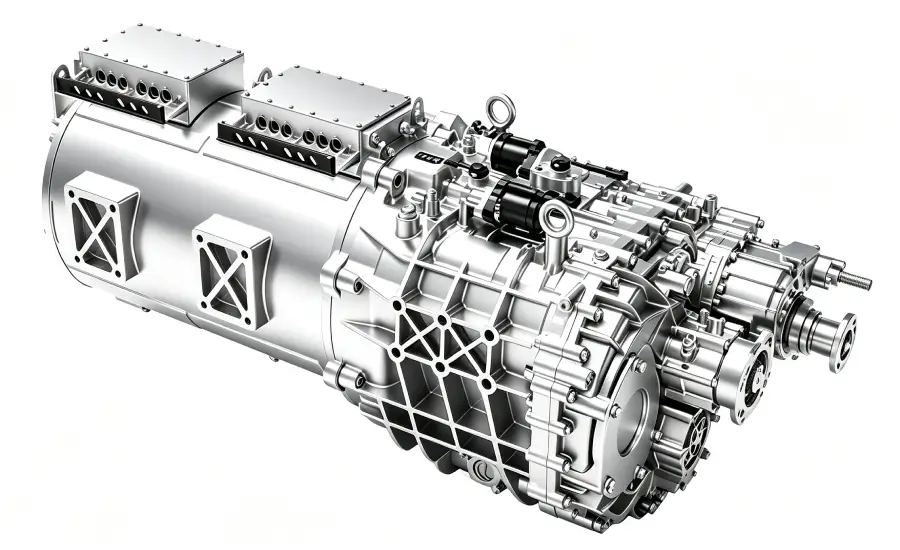
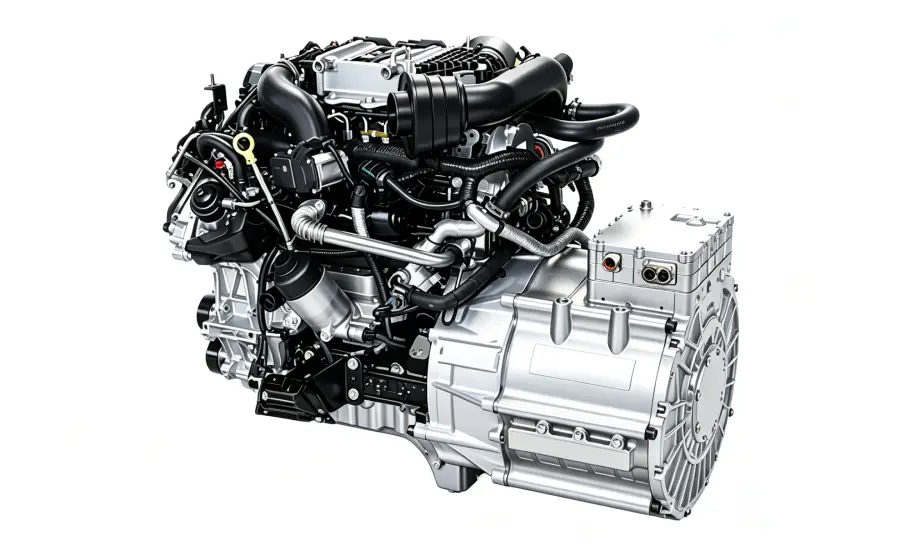
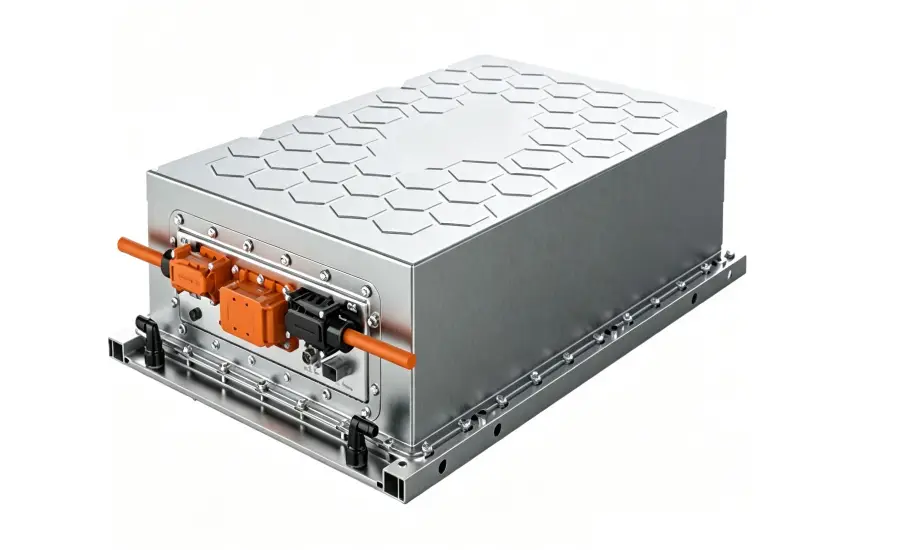
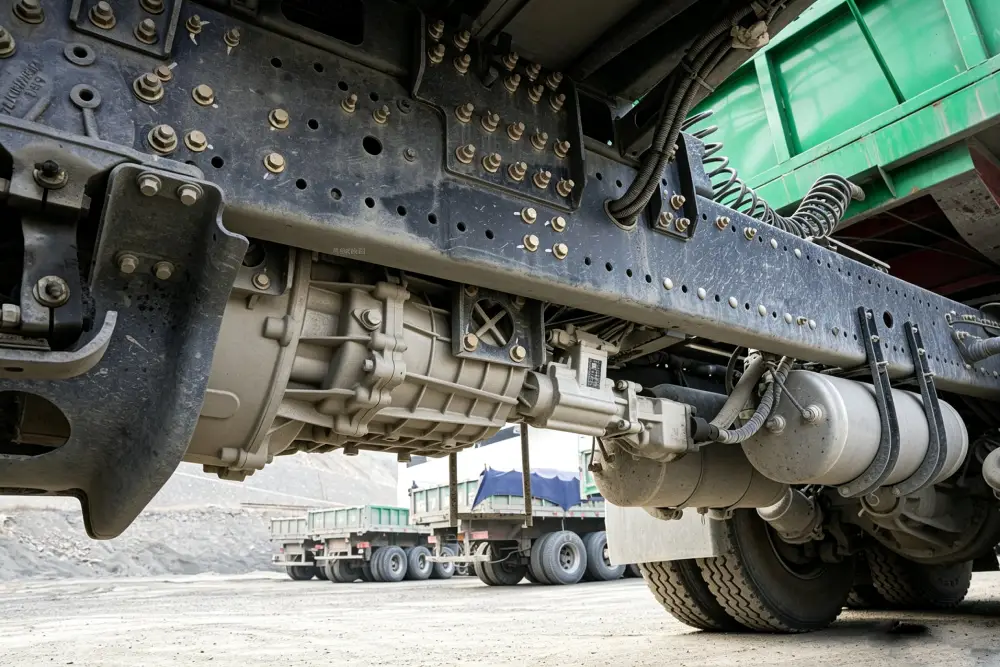
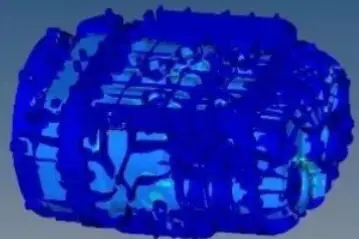
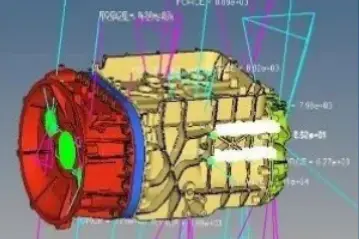
Data-driven engineering methods and simulation-based development processes are applied to optimize electric powertrain systems for demanding mining truck applications. By combining real-world operating data collection, load spectrum analysis and CAE simulation, system strength, transmission durability and structural reliability are evaluated throughout the development process.

- Explore our mining truck ev powertrain solutions: https://jenwyntech.com/solutions/mining-truck-electric-powertrain/
- For project inquiries and technical discussions, please contact contact@jenwyntech.com