
Electric heavy-duty truck energy consumption is influenced by several factors, including battery capacity, vehicle weight, driving conditions and powertrain calibration. For truck manufacturers, fleet operators and powertrain suppliers, understanding how these factors affect real-world operation is essential when developing and selecting electric truck platforms.
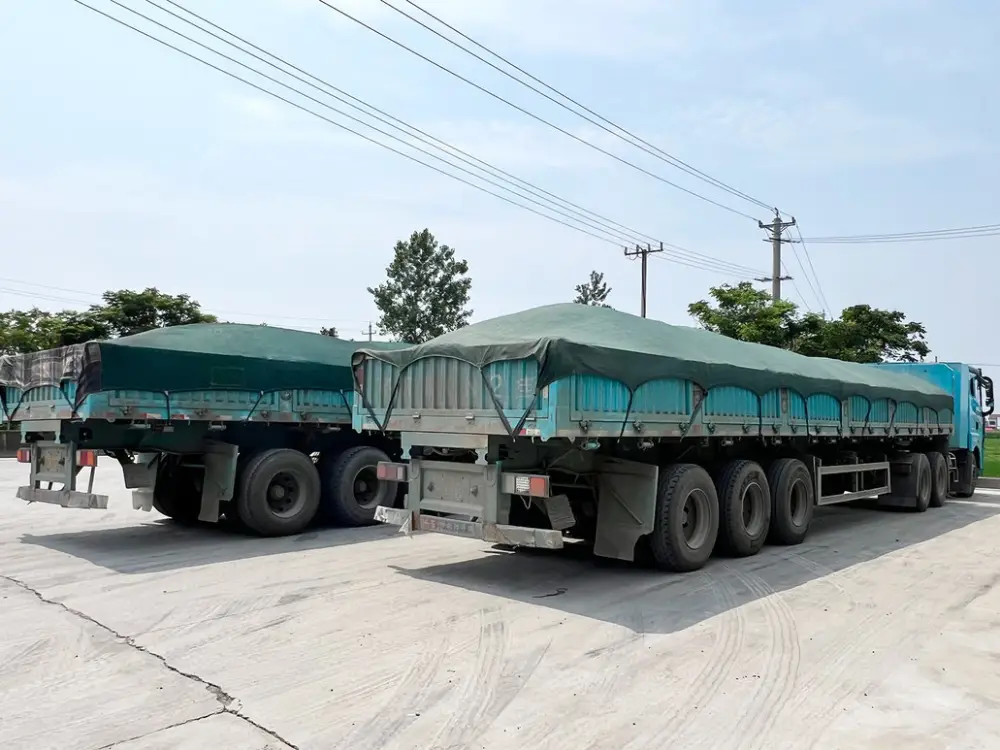
A fleet operating in northern China offers a practical example. Its electric trucks run regular freight routes between a port and a steel plant, covering approximately 350–360 km one way. The fleet’s operating experience highlights three areas that deserve attention in electric truck projects: battery capacity and charging frequency, real-world energy consumption, and vehicle weight.
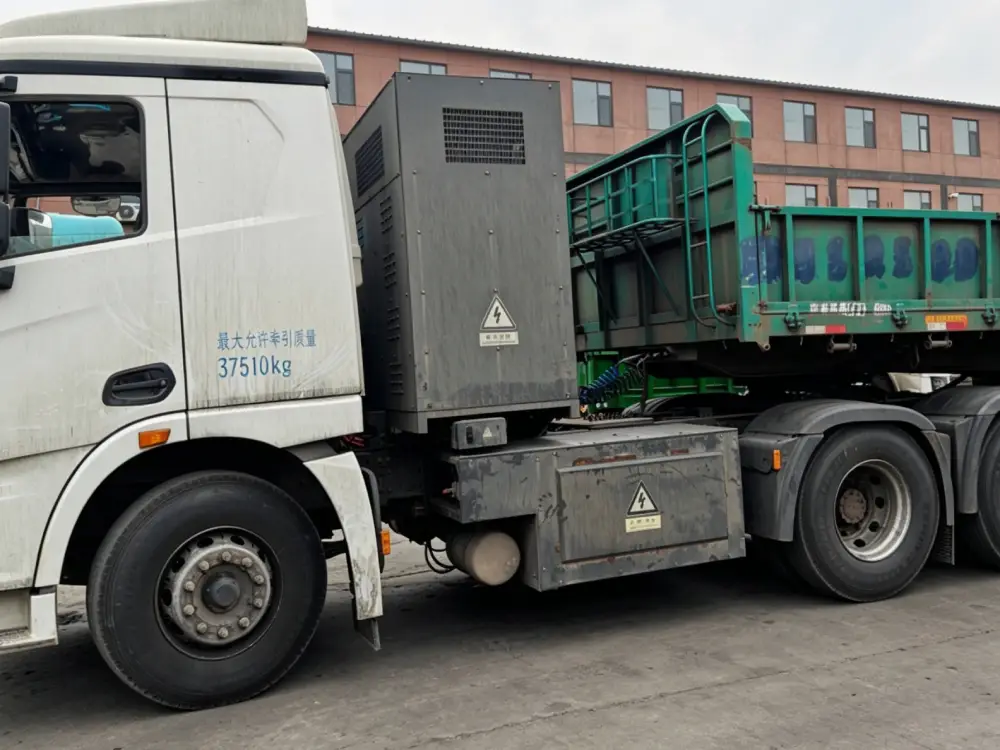
The figures below come from a specific fleet operation and should be understood in the context of its vehicles, route and operating conditions. They are not universal performance benchmarks.
1. Electric Heavy-Duty Truck Battery Capacity: Matching Range to the Operating Route
Battery capacity affects how often a truck needs to recharge and how its daily operating schedule is arranged. However, a larger battery also adds to vehicle cost and weight.
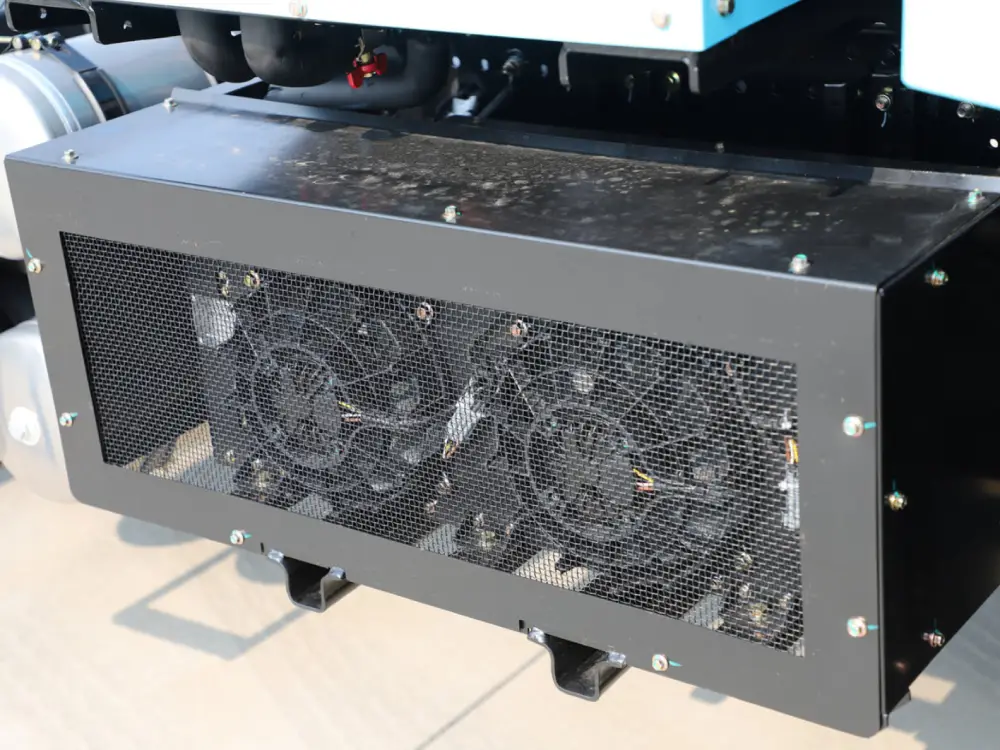
On the same transport route, the fleet compared trucks with different battery capacities. Its operating records showed the following charging frequencies per round trip:
| Battery Capacity | Charging Frequency per Round Trip |
|---|---|
| 282 kWh | Approximately 7 times |
| 350 kWh | Approximately 5 times |
| 423 kWh | Similar to the 350 kWh version |
When purchasing vehicles in 2024, the fleet selected the 350 kWh configuration as its main option after considering vehicle purchase cost, transport distance and operating schedules.
For electric heavy-duty truck manufacturers and fleet operators, battery selection involves balancing several requirements:
- Daily operating distance: The battery must support the planned route and vehicle duty cycle.
- Charging availability: Charging locations, charging power and available charging time affect fleet scheduling.
- Payload requirements: A larger battery increases vehicle weight and may reduce the available payload.
- Vehicle utilization: Charging frequency and duration influence how many operating hours a vehicle can achieve.
Battery capacity should therefore be assessed against the actual transport task, rather than selected by comparing kWh figures alone.
2. Electric Heavy-Duty Truck Energy Consumption: What Real-World Testing Reveals
Energy consumption is one of the most important indicators of electric heavy-duty truck operating performance. Even a relatively small difference in kWh/km can accumulate into substantial energy use over long-distance routes and repeated daily operation.
In this fleet, earlier trucks equipped with 350 kWh and 423 kWh batteries recorded an average energy consumption of approximately 1.4 kWh/km on loaded round trips.
However, some vehicles in a later batch of 350 kWh trucks initially consumed more than 1.5 kWh/km. This was around 0.1 kWh/km higher than the earlier vehicles.
After identifying the difference, the fleet contacted the vehicle manufacturer. Technical staff carried out road tests using the actual vehicles on the operating route, investigated the cause and made a unified adjustment to the vehicle control system.
Following the adjustment, the higher energy consumption observed across this batch was addressed.
Why powertrain calibration and road testing matter
This case highlights the value of real-world vehicle testing. Development-stage tests provide an important reference, but actual operation can reveal differences associated with specific routes, loads and driving conditions.
When electric truck energy consumption is higher than expected, the investigation may need to cover several areas:
- Motor and controller operating performance
- Powertrain matching and control calibration
- Vehicle load and operating conditions
- Driving patterns and route characteristics
- Seasonal temperature conditions
For example, trucks operating in northern regions may experience significant seasonal temperature changes. Winter conditions should therefore be included in the evaluation of vehicle energy consumption. However, the higher consumption in this particular case was addressed through vehicle testing and control system adjustment; the available case information does not establish low temperature as its cause.
For vehicle manufacturers and powertrain suppliers, actual operating data provides a basis for identifying performance differences and reviewing system calibration. Motor, controller and vehicle control strategies need to work together under the conditions the truck is designed to handle.
3. Electric Heavy-Duty Truck Weight and Payload: The Effect of Battery Configuration
Vehicle weight is another important factor in electric truck operation, particularly for freight applications where payload directly affects transport capacity.
In the fleet comparison, a tractor unit with a 350 kWh battery had an unladen weight of approximately 9.8 tonnes. With a trailer weighing slightly over 6 tonnes, the combined weight of the tractor and trailer was below 17 tonnes.
For the 423 kWh configuration, the combined tractor and trailer weight was approximately 17.75 tonnes — around 0.75 tonnes heavier.
Where the permitted gross combination weight remains the same, additional vehicle weight leaves less capacity for cargo. For fleets carrying heavy loads on regular routes, this difference can affect the amount of freight transported per trip.
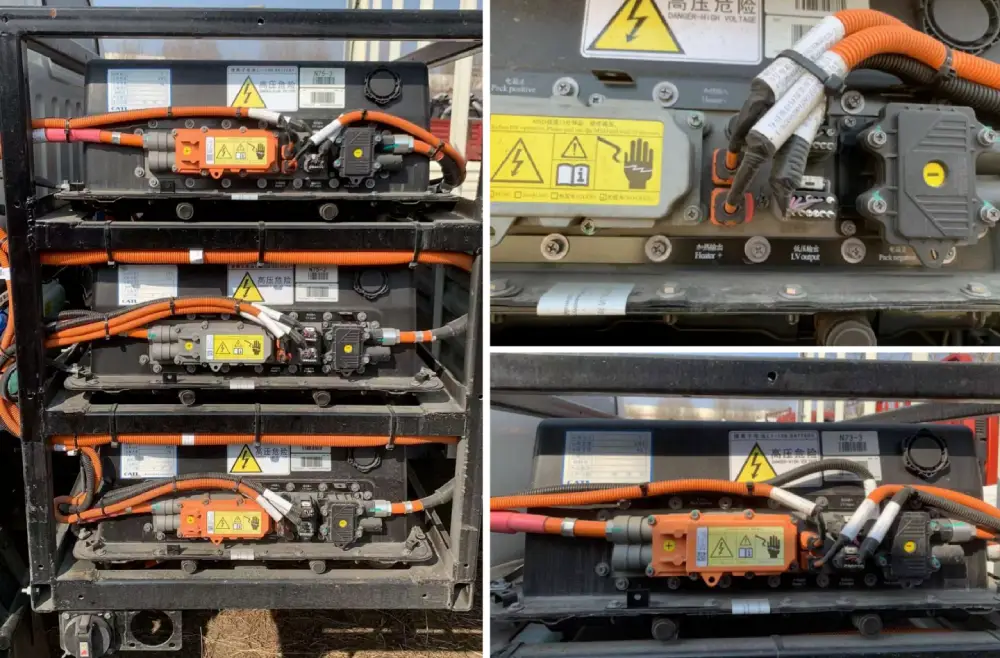
For electric truck platform development, manufacturers should evaluate the following factors together:
- Battery capacity and pack weight
- Tractor and chassis curb weight
- Axle load distribution
- Trailer and body weight
- Available payload under applicable weight limits
A larger battery provides additional energy storage but also adds weight. Its suitability should be assessed against the vehicle’s operating range and payload requirements.
4. Real-World Performance and Technical Cooperation
Vehicle operating data provides valuable feedback on how a complete electric truck performs under actual working conditions. Differences in energy consumption, payload and operating range may indicate areas that need further investigation or adjustment.
Effective technical cooperation involves three parties:
- Fleet operators: Provide route, payload and energy consumption data.
- Vehicle manufacturers: Evaluate vehicle integration and control strategies.
- Powertrain suppliers: Support motor, controller and powertrain matching, as well as technical troubleshooting.
By sharing operational data and conducting targeted testing when needed, these parties can identify performance issues and improve vehicle operation.
For electric truck manufacturers, this feedback also provides a practical reference for future platform development and configuration optimization.
Powertrain and Chassis Solutions for Electric Truck Projects
Achieving consistent electric truck performance requires proper matching of the chassis, motor, controller and drivetrain to the vehicle’s operating conditions.
Jenwyn Tech supports commercial EV projects with electric powertrain systems and chassis platforms, including traction motors, integrated drive units, electric axles and control system integration. We also provide technical support for powertrain selection, vehicle adaptation and system debugging.
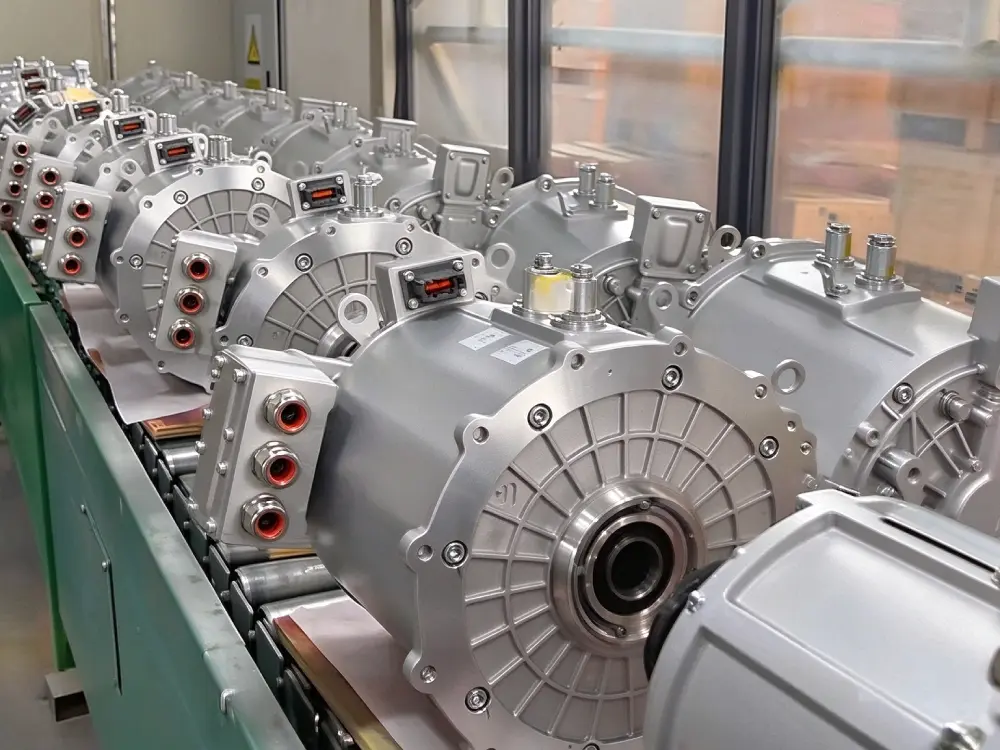
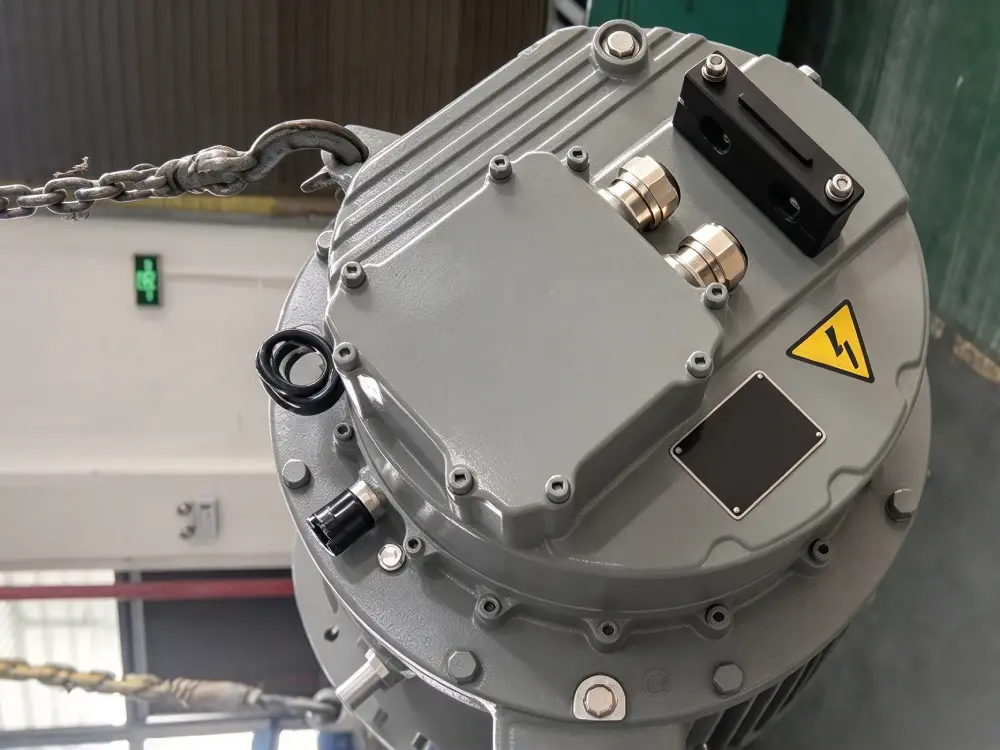
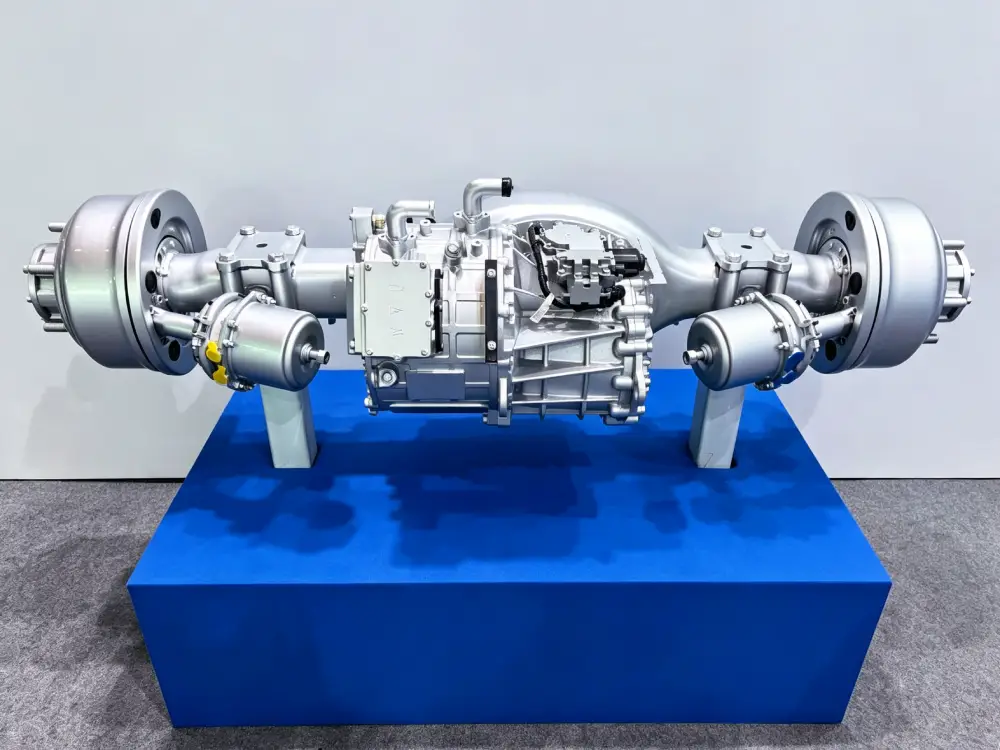
For manufacturers developing electric trucks, our solutions can help reduce component selection and integration work while providing a technical foundation for different vehicle configurations.
Explore our electric central drive systems, electric axle solutions and electric truck chassis platforms to learn more about our product range and engineering support.
You can get in touch with us at contact@jenwyntech.com or fill in the form below.