
Central drive systems remain a well-established choice for 6×4 electric heavy-duty trucks working in aggregate transport. Field research across multiple brands of 6×4 central drive electric trucks operating on sand and gravel transport routes shows that this drivetrain layout continues to suit demanding working conditions, including heavy loads, long downhill sections, continuous curves and rough access roads.
The surveyed central drive electric trucks use motors with peak power ratings ranging from 410 kW to 550 kW. Their performance also reflects differences in gearbox configuration, axle ratios, energy consumption and vehicle operating conditions.
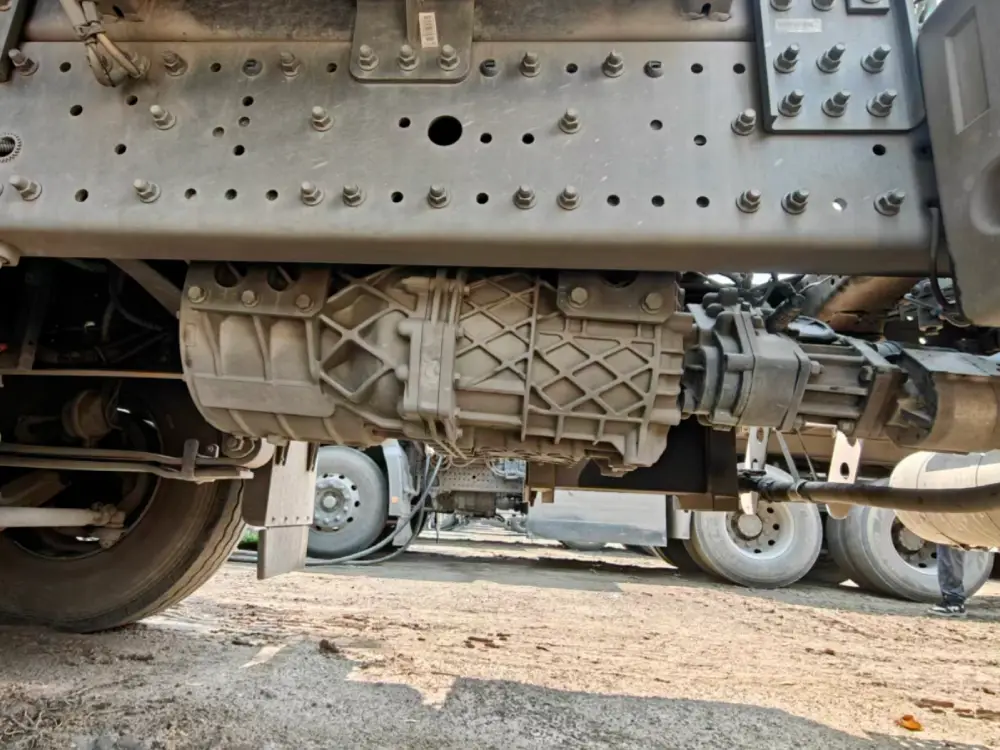
This article looks at the findings from the field research and examines why central drive systems remain widely used in this type of transport.
1. Operating Conditions for Central Drive Electric Trucks
The research focused on 6×4 electric tractor trucks from multiple manufacturers operating in aggregate transport.
The routes and working conditions included:
- Heavy loads on downhill sections and empty vehicles travelling uphill
- Long downhill stretches and continuous curves in mountainous areas
- Unpaved and uneven roads around aggregate loading and unloading sites
- High-intensity operation, with vehicles running for extended periods
These conditions place particular demands on starting performance, climbing ability, braking energy recovery, ground clearance and vehicle reliability.
For a central drive electric truck, gearbox selection and axle ratio are important factors in adapting the drivetrain to these operating conditions.
2. Motor Power and Gearbox Selection
The surveyed 6×4 electric tractors were equipped with motors offering peak power between 410 kW and 550 kW.
Both 4-speed and 6-speed transmissions were found in the surveyed vehicles. Their performance characteristics differed:
- 4-speed transmission: Provides relatively quick response when starting. This configuration is preferred by fleets that place a high priority on transport efficiency and getting moving quickly.
- 6-speed transmission: Shows lower overall energy consumption in the surveyed applications. Starting and shifting are relatively slower, while the vehicle performs better at highway speeds in the higher gears, particularly from 5th gear onward.
The choice of transmission reflects the operating priorities of each fleet. Vehicles that frequently start under heavy loads may place greater emphasis on starting response, while those with more high-speed driving may benefit from the characteristics of a 6-speed transmission.
3. Energy Consumption and Regenerative Braking
The surveyed central drive electric trucks recorded overall energy consumption of approximately 1.1–1.5 kWh/km.
Actual consumption varies with road conditions, vehicle load, driving style and drivetrain configuration.
Regenerative braking is particularly useful on long downhill sections. When a loaded truck travels downhill, the motor can recover part of the vehicle’s kinetic energy and feed it back into the battery.
The field research reported that energy recovery on one long downhill section could reach around 5%. Some fleets also use a charging strategy that leaves battery capacity available before the downhill section, with vehicles charging to around 95% before starting the descent.
This operating practice makes use of the available battery capacity for regenerative braking during the downhill journey.
4. Axle Ratio and Climbing Performance
Axle ratio has a direct influence on the climbing performance and energy consumption of a central drive electric truck.
A higher axle ratio provides stronger climbing capability, which is useful when vehicles frequently operate on steep roads under heavy loads. The trade-off observed in the research is slightly higher energy consumption on flat roads.
Manufacturers have adjusted axle ratios and drivetrain calibration to suit the heavy-load climbing conditions commonly found in aggregate transport.
The selection of an axle ratio therefore reflects the actual route profile and load conditions of the vehicle.
5. Why Central Drive Systems Remain Suitable for Aggregate Transport
The field research highlights several practical advantages of central drive systems in demanding aggregate transport applications.
Familiar Drivetrain Structure and Convenient Maintenance
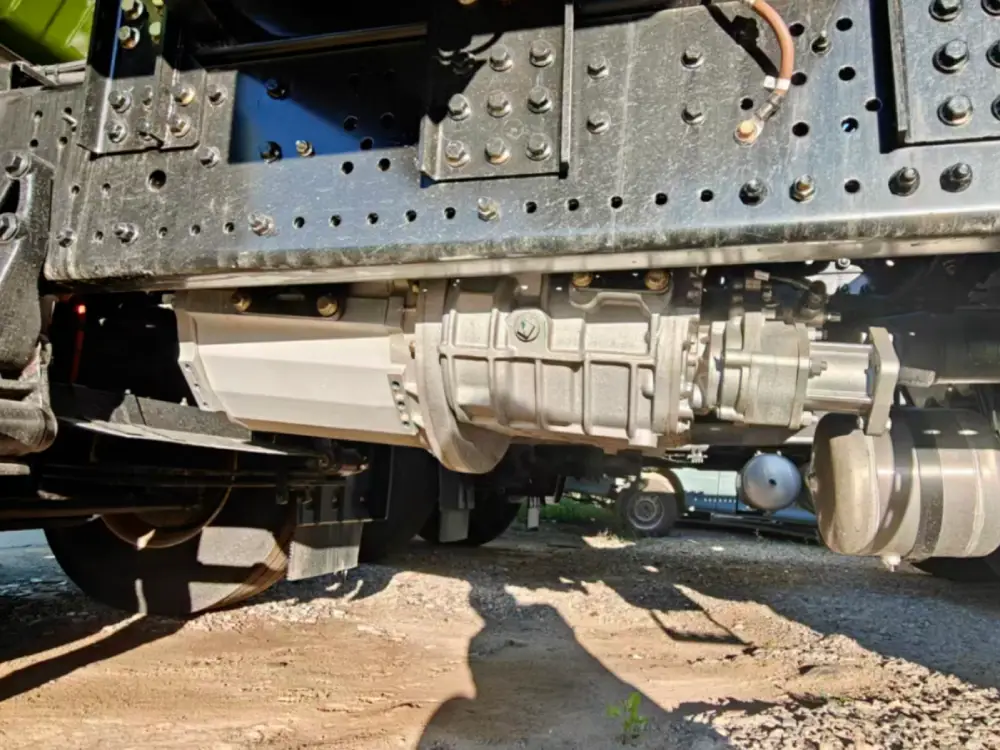
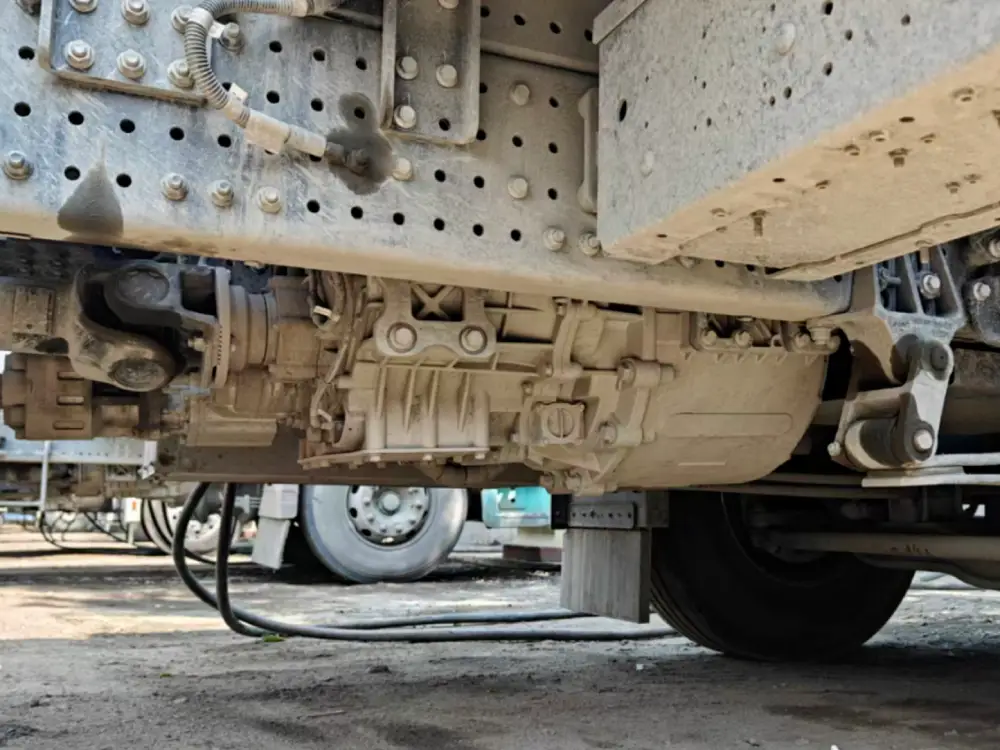
The central drive layout is structurally similar to the conventional internal combustion engine drivetrain.
The transmission, propeller shaft and rear axle can be removed and serviced separately. This makes maintenance familiar to workshops that already have experience with conventional heavy-duty trucks.
Mature service networks and readily available spare parts also help fleets reduce vehicle downtime.
For high-intensity transport operations, maintenance convenience and repair turnaround time are important considerations.
Greater Ground Clearance for Rough Roads
Central drive configurations can offer relatively generous ground clearance.
This is useful when trucks need to travel over potholes, muddy surfaces and uneven access roads around aggregate loading and unloading sites.
These road conditions are common in resource transport operations, where vehicles may regularly leave paved roads.
Flexible Battery Layout
A central drive electric truck can use different battery installation arrangements, including behind-the-cab and side-mounted lower-body configurations.
This provides flexibility when arranging battery packs and balancing axle loads across different vehicle models.
It also gives manufacturers more room to adapt the vehicle layout to specific body and operating requirements.
6. Limitations of Central Drive Electric Trucks
Although central drive systems have practical advantages in aggregate transport, the field research also identifies several limitations.
Lower Transmission Efficiency
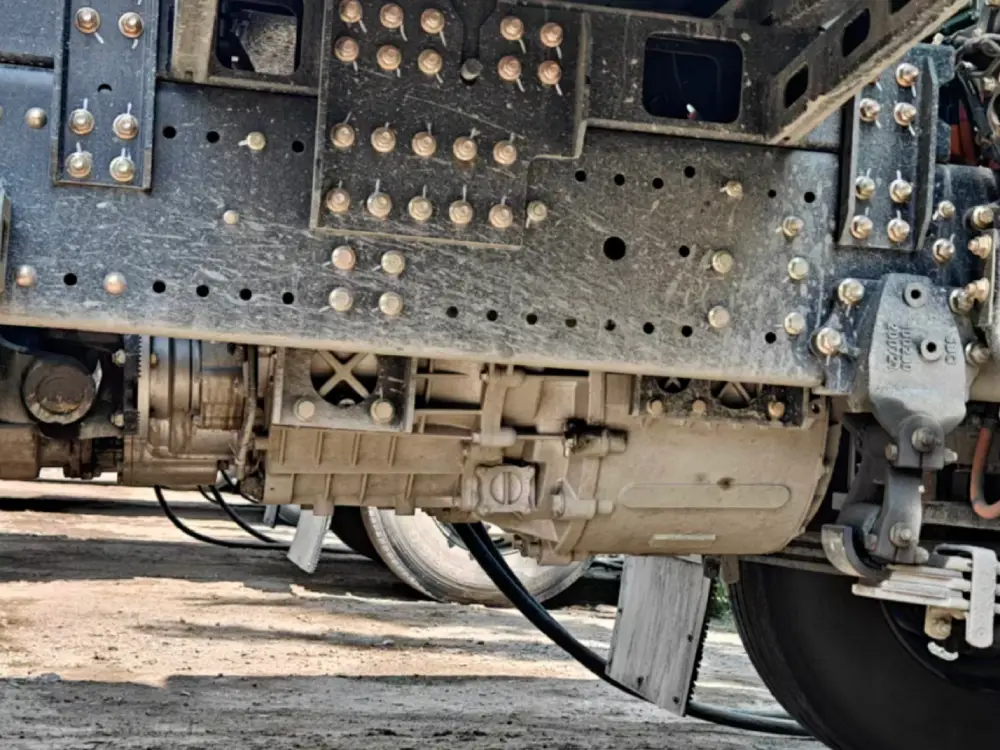
A central drive system uses multiple mechanical transmission stages. The surveyed figures indicate an estimated transmission efficiency of approximately 88–92%, around 2–5 percentage points lower than the electric drive axle configurations used for comparison.
The difference can become more noticeable during continuous climbing, when energy consumption is relatively high.
Power Interruption During AMT Shifting
During gear changes, an AMT transmission interrupts power delivery temporarily.
This can affect driving smoothness and acceleration response, particularly when starting from a standstill or moving off under heavy load.
Higher System Weight
The central drive assembly in the surveyed comparison was approximately 300–500 kg heavier than the electric drive axle assembly.
Under a 49-tonne gross vehicle weight limit, this additional weight reduces the payload available for cargo.
For fleets that focus on payload capacity, the weight difference is an important factor in vehicle selection.
7. Jenwyn Tech Central Drive Solutions for Electric Trucks
Jenwyn Tech provides central drive powertrain solutions for electric truck projects, supporting vehicle manufacturers and system integrators with component matching and powertrain integration.
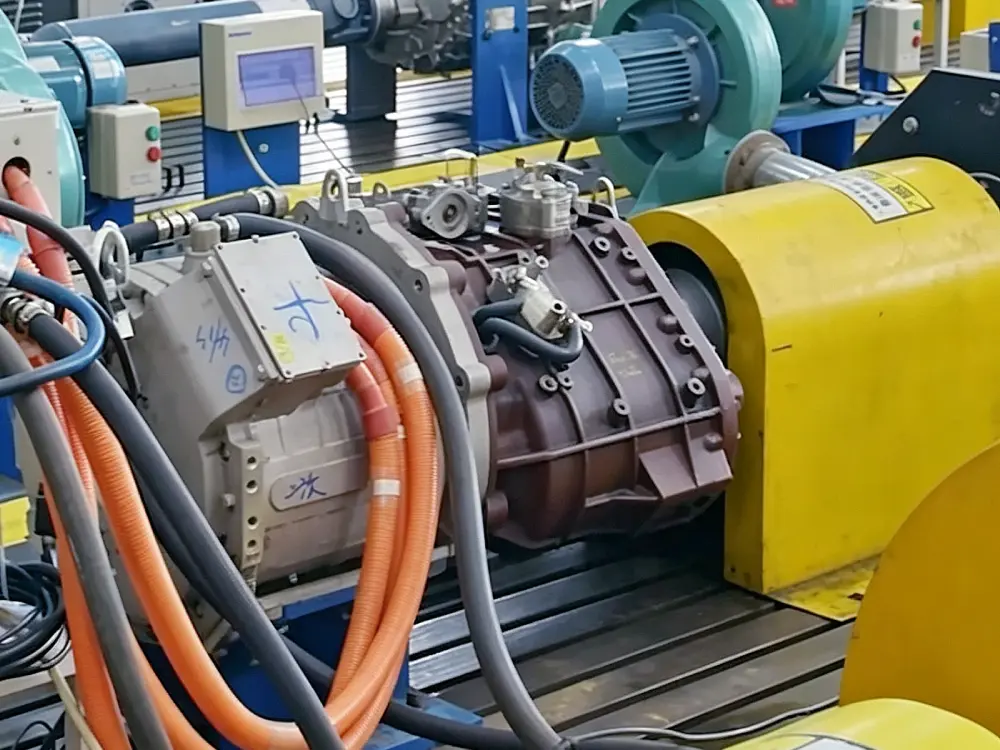
Our approach focuses on matching the drive system to the vehicle’s operating requirements rather than selecting a motor based on rated power alone.
Powertrain Configuration and Component Matching
We support the selection and matching of key components in a central drive system, including:
- Traction motors and motor controllers
- Central transmission systems
- Propeller shaft and rear axle interface requirements
- Vehicle control and communication systems
Motor power, transmission ratios and system configuration can be evaluated against vehicle weight, target speed, gradeability, operating routes and expected load conditions.
For heavy-duty applications such as aggregate transport, particular attention can be given to starting performance, climbing requirements and sustained operating conditions.
Vehicle Integration and Control Support
A central drive system needs to work with the vehicle’s electrical architecture and control strategy.
Jenwyn Tech can provide technical support covering:
- Powertrain configuration and component adaptation
- Mechanical and electrical interface confirmation
- Control parameter matching and system debugging
- 3D/STEP drawings and technical documentation
- Remote technical support during vehicle integration
This support helps OEMs and vehicle assemblers coordinate the powertrain with their chassis design and vehicle control system. Explore our service.
Configurations for Different Vehicle Requirements
Central drive solutions can be evaluated for different electric truck platforms and operating conditions.
Typical application considerations include:
- Heavy-duty electric tractors: Motor power, gearbox configuration and axle ratio for loaded operation and highway driving.
- Aggregate and resource transport trucks: Climbing performance, starting response, ground clearance and maintenance requirements.
- Electric cargo and special-purpose trucks: Powertrain layout, vehicle packaging and compatibility with different body configurations.
Explore our Electric Central Drive Systems.
If you are developing a central drive electric truck or adapting an existing vehicle platform, contact our team to discuss your motor, transmission and integration requirements. You can get in touch with us at contact@jenwyntech.com or fill in the form below.