
Choosing an electric axle for a commercial vehicle project begins with understanding how the vehicle will be built and used.
Vehicle mass and motor power provide part of the picture, but they do not define the complete application. Axle load, wheel torque, target speed, road conditions, chassis layout and daily operating patterns can all influence the choice of an electric axle.
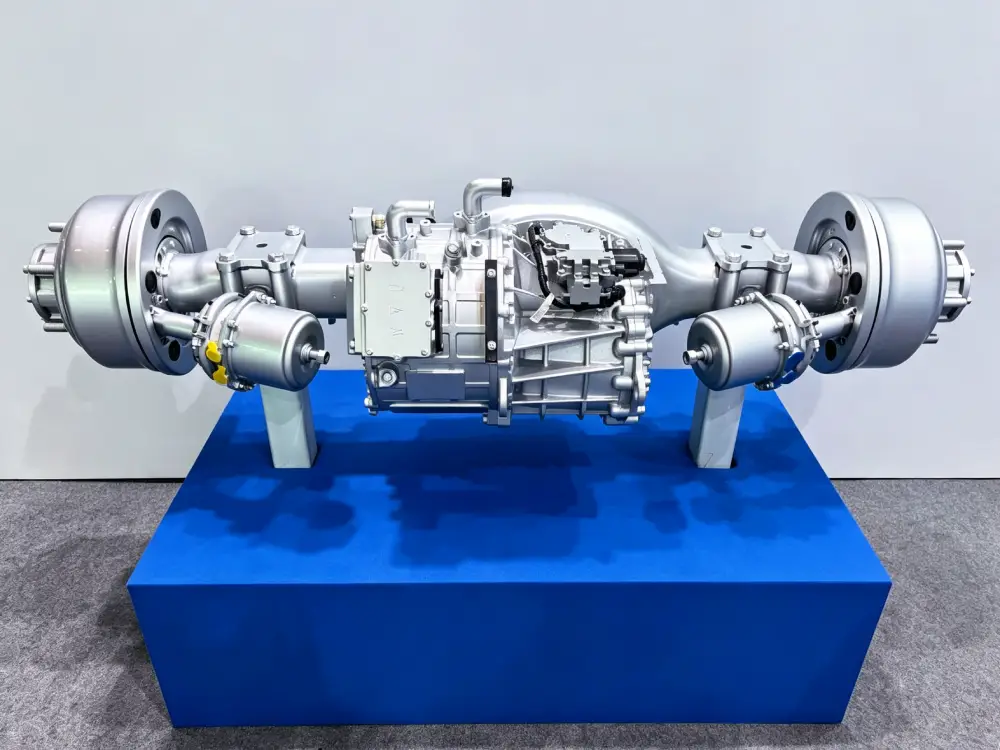
A configuration that works well for one vehicle may not be suitable for another, even when the two vehicles have similar power or weight requirements.
This guide covers the main points to review before selecting an electric axle for a commercial vehicle.
1. Start with Electric Axle Load Rating and Vehicle Mass
Review the vehicle’s gross vehicle weight, payload, weight distribution and front and rear axle loads.
The electric axle must be matched to the loads carried by the driven axle during normal operation. Body design, battery placement and cargo distribution can all change how vehicle weight is distributed.
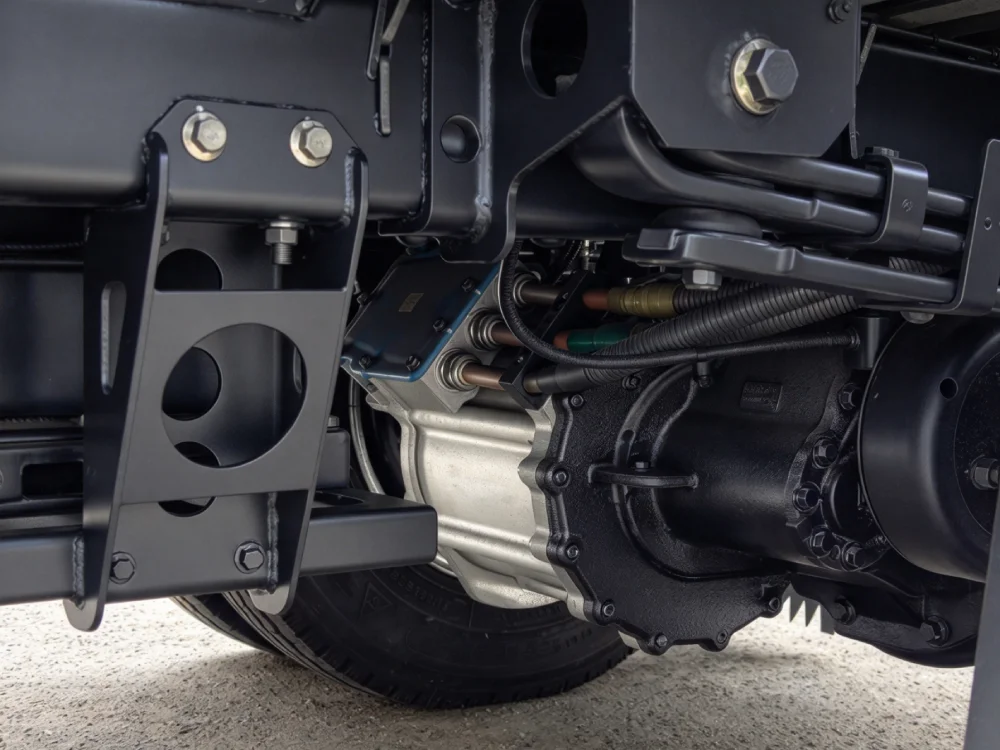
Gross vehicle weight alone does not show the complete axle loading situation. Two vehicles with the same total mass can place very different loads on the driven axle because of differences in:
- Wheelbase
- Body layout
- Rear overhang
- Battery location
- Passenger or cargo distribution
For this reason, the actual axle-load distribution should be confirmed before an electric axle configuration is selected.
2. Match Electric Axle Wheel Torque and Speed
The electric axle needs to deliver sufficient wheel torque for launch, acceleration and climbing while supporting the required vehicle speed.
The main inputs include:
- Vehicle mass
- Tire rolling radius
- Maximum gradient
- Rolling resistance
- Target vehicle speed
- Drive and reduction ratio
Review the motor torque-speed curve together with the axle reduction ratio.
Motor torque and wheel torque are not the same. The reduction system increases torque at the wheels, while drivetrain losses affect the final output.
For vehicles that regularly carry heavy loads or operate on steep routes, it is also useful to review how long high torque is required, rather than looking only at peak torque figures.
3. Define the Actual Vehicle Duty Cycle
Commercial vehicles can operate in very different ways.
A city delivery truck may spend most of its day in stop-and-go traffic. A bus may operate continuously with frequent acceleration. A heavy-load truck may need sustained power during long-distance operation or climbing.
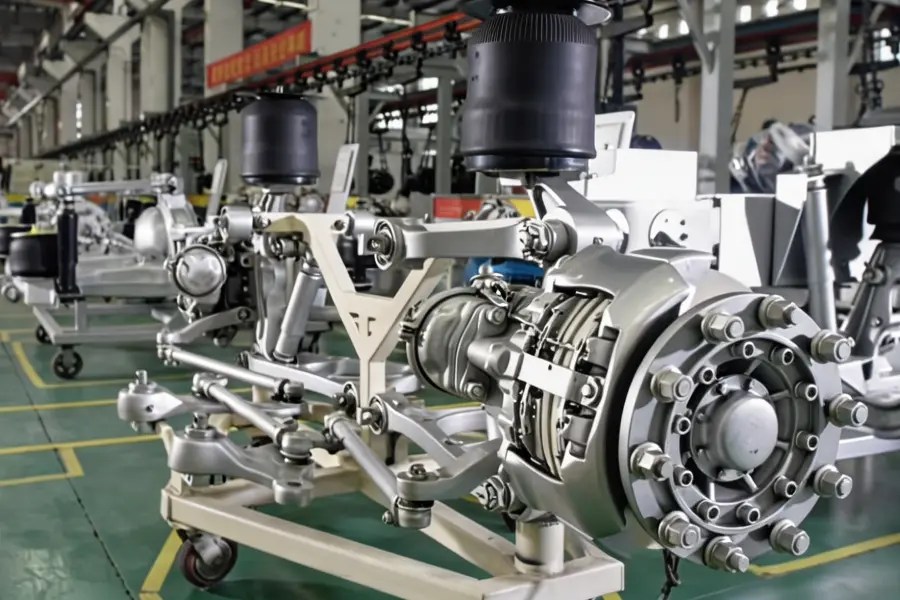
The electric axle should be reviewed against the vehicle’s actual operating profile. Useful information includes:
- Typical routes
- Road surface and terrain
- Vehicle load profile
- Maximum gradients
- Daily operating hours
- Average and maximum speeds
- Ambient temperature
These conditions affect torque demand, thermal performance and the operating range of the drive system.
Different motor and transmission arrangements may suit different applications. The final configuration depends on the required torque and speed range, available chassis space and operating conditions.
4. When Road Conditions Do Not Match the Electric Axle Application
Road conditions can change how an electric axle performs in service.
In one previous project, a customer selected an electric axle originally developed for a heavy-duty truck application. The vehicle was expected to operate mainly on paved roads and highway routes.
The axle was later installed in a bus operating on rough and mountainous roads.
The vehicle load and power requirements were within the expected application range, but the actual operating environment was different from the original use case. Rough road surfaces, frequent gradients and the overall vehicle operating conditions placed different demands on the drivetrain and chassis.
The application later required further engineering review because the actual operating conditions differed from the original application assumptions.
This case is a useful reminder that vehicle mass and motor power are not enough to define an electric axle application.
For rough-road or mountainous operation, the system review may also need to cover:
- Suspension and axle integration
- Road impact and vibration
- Continuous climbing requirements
- Low-speed, high-torque operation
- Ground clearance
- Thermal performance under sustained load
- Service access and maintenance conditions
Before selecting an electric axle, describe where and how the vehicle will operate. An axle platform proven in one commercial vehicle application cannot automatically be transferred to a different road environment.
5. Review Electric Axle Packaging and Chassis Interfaces
The electric axle needs to fit the complete chassis layout.
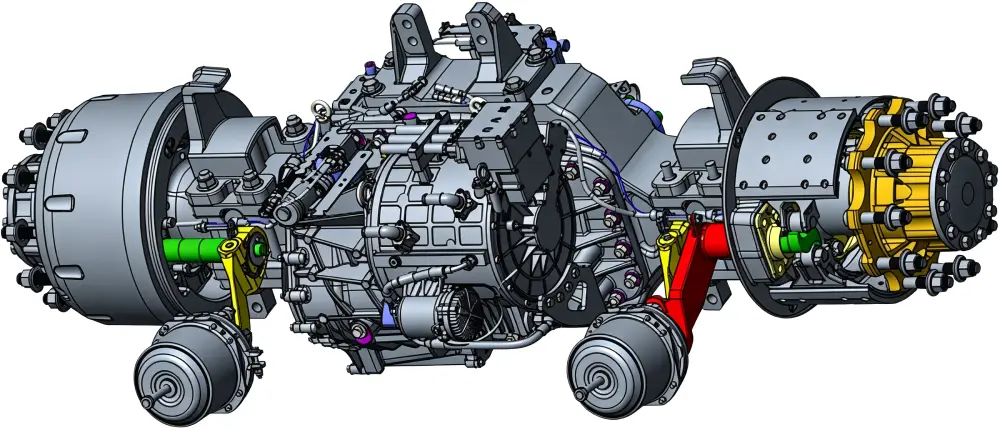
Before finalizing the configuration, review:
- Axle mounting points and suspension arrangement
- Wheel track and available installation space
- Ground clearance and underbody constraints
- Brake type and required braking performance
- High-voltage and low-voltage cable routing
- Cooling connections
- Service access
- Battery location and chassis structural requirements
Changes to the axle architecture can affect the wider chassis design. This is particularly relevant when an existing electric axle platform is adapted to a new vehicle type.
6. Confirm Braking and Control Interfaces
Commercial vehicles may use different brake configurations depending on the vehicle category and intended market.
The electric axle and chassis need compatible mechanical and control interfaces. Confirm the following during the system review:
- Brake configuration
- Parking-brake requirements
- Wheel-speed signals
- Vehicle control interfaces
- Communication protocols
Vehicle-level regulatory requirements vary by market and vehicle category. The OEM is responsible for confirming the applicable requirements and validation plan for the final vehicle.
Electric Axle Selection Checklist
Before starting an electric axle review, prepare the following information.
| Item | Questions to answer |
|---|---|
| Vehicle data | What are GVW, payload and driven-axle loads? |
| Performance | What wheel torque, maximum speed and gradeability are required? |
| Drive system | What motor output, reduction ratio and speed range are suitable? |
| Thermal conditions | What sustained load, ambient temperature and cooling requirements apply? |
| Chassis interfaces | Are mounting, suspension, wheel track and ground clearance compatible? |
| Braking | Which brake configuration and control interfaces are required? |
| Integration | What electrical, CAN, cooling and service interfaces must be confirmed? |
| Validation | Which component, subsystem and vehicle-level tests are required? |
Jenwyn Tech Electric Axle Options
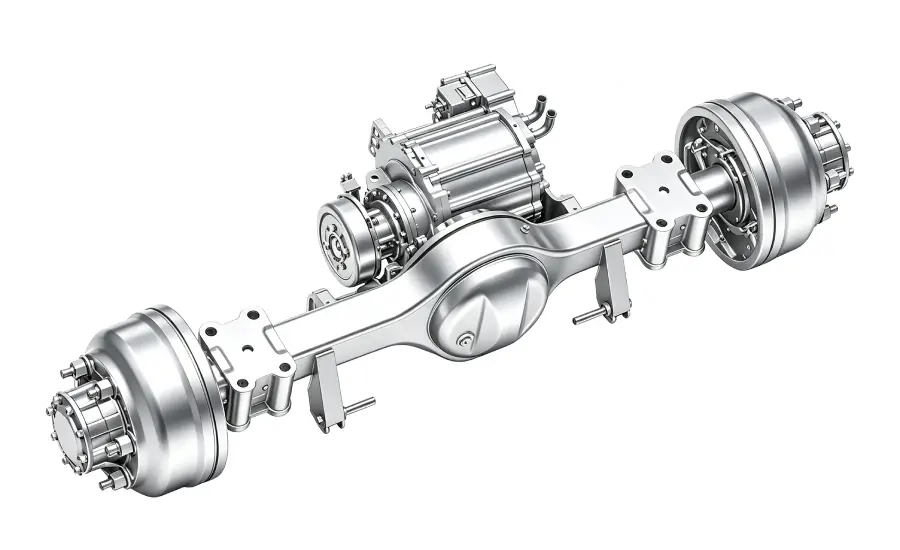
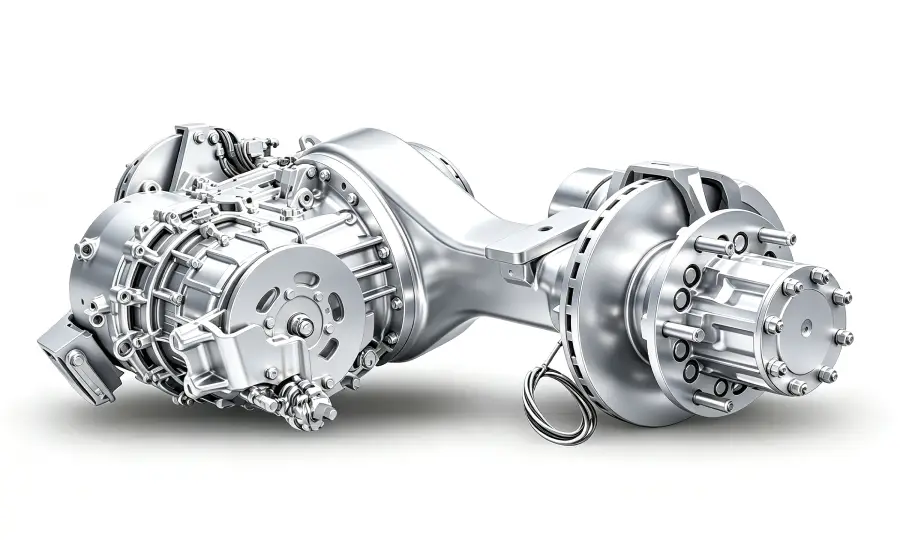
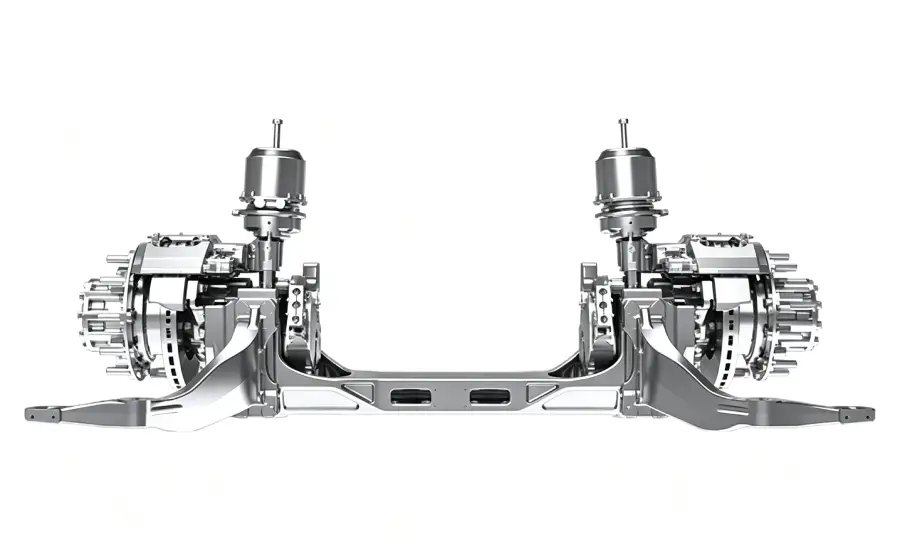
Jenwyn Tech supplies electric axle solutions for commercial vehicle applications, with configurations covering different axle loads, drive layouts and operating requirements. The selection can be reviewed according to the vehicle class, axle load, power demand, chassis packaging and intended duty cycle.
For an initial system review, the following information is useful:
- Vehicle specification
- Axle-load distribution
- Tire size
- Target vehicle speed
- Maximum gradient
- Chassis drawings or layout information
- Typical road and operating conditions
This information provides a starting point for evaluating a suitable electric axle configuration and identifying integration considerations before the vehicle design is finalized.
FAQ
Can one electric axle fit several vehicle models?
A common electric axle platform may be adapted for several vehicle models. Each application still needs its own review of axle load, mounting points, wheel track, gearing, brake interfaces, road conditions and duty cycle.
Is motor power enough to select an electric axle?
No. Motor power is one selection parameter. Axle load, wheel torque, vehicle speed, reduction ratio, thermal requirements, road conditions and chassis interfaces also affect the final configuration.
Why do road conditions matter when selecting an electric axle?
Road conditions affect the loads and operating demands placed on the vehicle and drivetrain. A configuration intended mainly for paved highway operation may need a different system review for mountainous or rough-road applications.
Should brake configuration be confirmed early?
Yes. Brake and electric axle interfaces can affect chassis packaging, vehicle controls and validation. Confirming them early helps avoid changes later in the vehicle development process.
Discuss Your Commercial Vehicle Electric Axle Requirements
The best starting point is a clear vehicle specification and operating profile.
Jenwyn Tech supports commercial vehicle projects with integrated electric axle and central eDrive system solutions for different vehicle classes and operating conditions. Share your vehicle specifications, chassis information and intended operating environment with our team for an initial system review.
You can get in touch with our team at contact@jenwyntech.com or fill in the form below.