
An electric axle for heavy-duty trucks needs to deliver the required power, torque and driving performance under different vehicle loads and operating conditions. Single-motor and dual-motor configurations offer different output capabilities, transmission arrangements and control strategies. Selecting the appropriate electric axle involves evaluating vehicle weight, axle load, road gradients, driving speed and duty cycle.
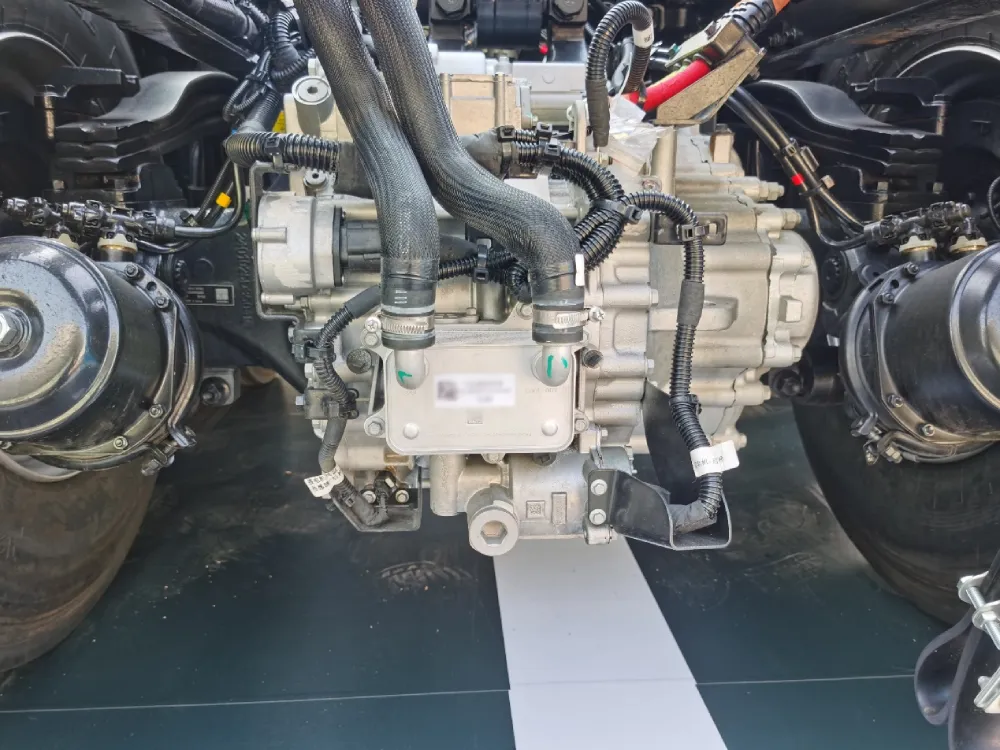
For truck OEMs and powertrain integrators, motor configuration is closely related to transmission design, energy efficiency, system integration and vehicle performance. This article compares single-motor and dual-motor electric axles, examines their applications in different heavy-duty truck configurations, and introduces real product specifications from Jenwyn Tech.
Table of Contents
- Single-Motor vs. Dual-Motor Configurations
- Electric Axle Selection for Different Truck Applications
- How Dual-Motor Electric Axles Work
- System Integration and Fault Management
- How to Choose the Right Electric Axle
- Frequently Asked Questions
- Jenwyn Tech Electric Axle Solutions
1. Electric Axle for Heavy-Duty Trucks: Single-Motor vs. Dual-Motor Configurations
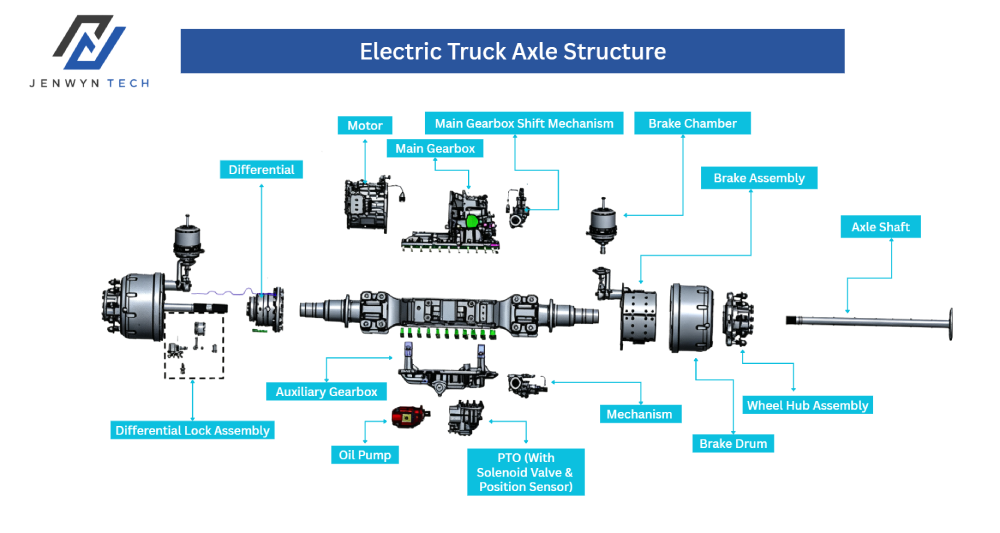
An electric axle for heavy-duty trucks typically integrates the traction motor, transmission and axle assembly into a drivetrain unit. The motor configuration and transmission arrangement determine how power and torque are delivered to the driven wheels.
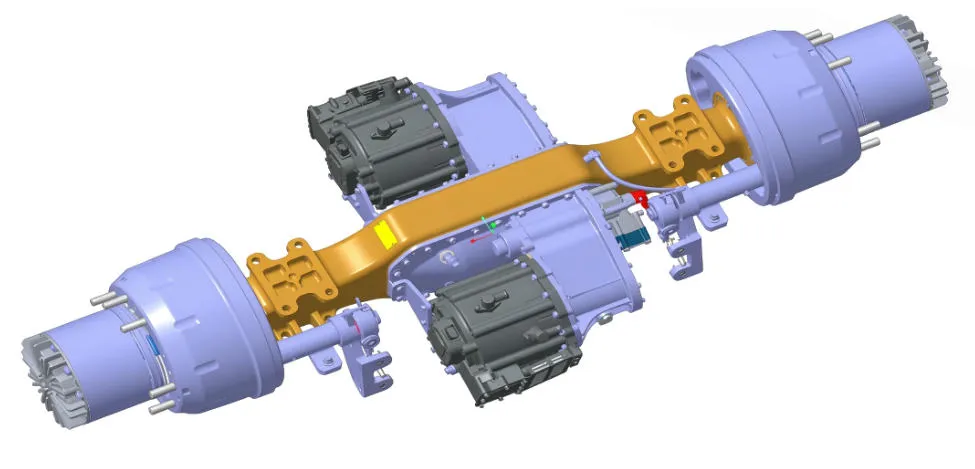
The two main configurations have different characteristics:
| Comparison | Single-Motor Electric Axle | Dual-Motor Electric Axle |
|---|---|---|
| Motor configuration | One traction motor | Two traction motors |
| Power output | Based on one motor’s rating | Higher combined power potential |
| Torque delivery | Determined by motor torque and transmission ratio | Combined motor output managed through the transmission and control system |
| Driving modes | Depends on transmission design | Can support different motor operating combinations |
| System complexity | Fewer motor and controller components | More demanding mechanical and electrical integration |
| Typical advantages | Simpler drivetrain architecture and integration | Higher power potential and operating flexibility |
| Key considerations | Continuous power, torque and gear ratio | Motor coordination, cooling, control calibration and fault management |
A dual-motor electric axle can deliver higher combined rated and peak power. However, maximum power output is only one part of heavy-duty truck performance. Transmission ratios, continuous power capability and wheel-end torque also influence the vehicle’s ability to carry loads and climb gradients.
A single-motor electric axle with a suitable multi-speed transmission can also provide high output torque across different operating conditions.
2. How to Select an Electric Axle for Heavy-Duty Truck Applications
The selection of an electric axle for heavy-duty trucks starts with the vehicle’s operating profile. Gross vehicle weight, axle load, road gradient, average speed and driving cycle all influence the required drivetrain configuration.
The following examples illustrate how different truck applications may require different electric axle arrangements.
| Heavy-Duty Truck Application | Typical Operating Conditions | Possible Electric Axle Configuration |
|---|---|---|
| 4×2 highway logistics tractor | Relatively stable highway speeds and regular load conditions | Single-motor electric axle |
| 4×2 heavy-load tractor | Higher vehicle weight, frequent acceleration and road gradients | Dual-motor electric axle may provide additional power |
| 6×4 standard-load truck | Two driven axles, predictable routes and moderate operating speeds | Two single-motor electric axles |
| 6×4 mining or heavy-haul truck | Heavy payloads, low-speed operation and frequent steep climbs | Higher-output configuration, potentially combining single- and dual-motor axles |
2.1 Electric Axle for 4×2 Highway Logistics Trucks
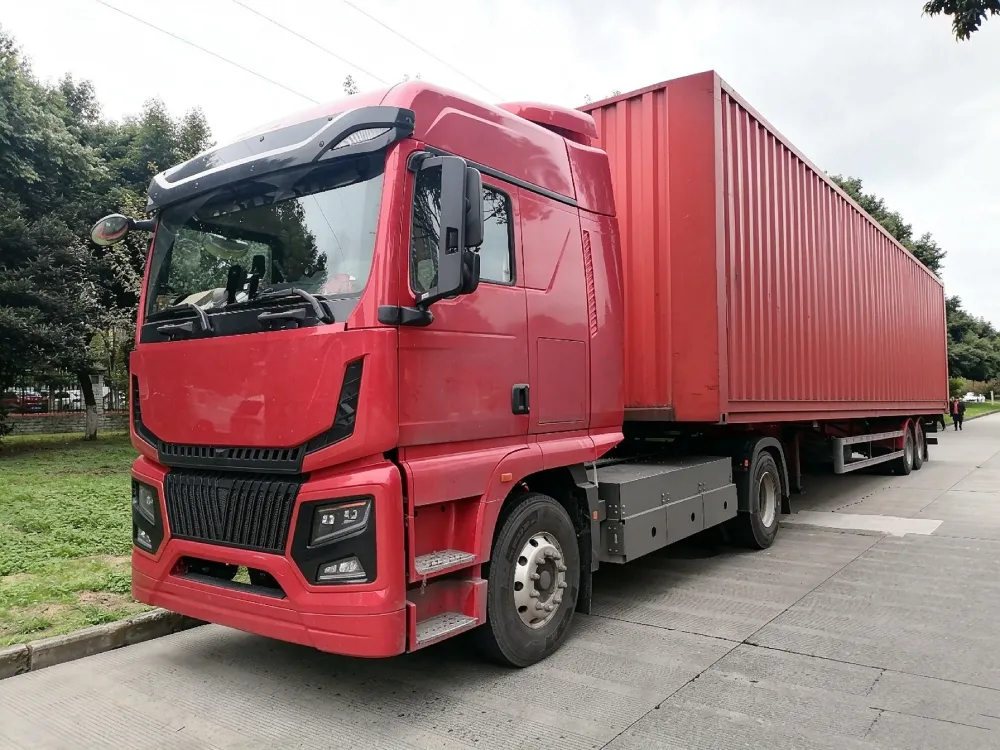
For a 4×2 electric tractor operating on relatively flat highways with a stable load profile, a single-motor electric axle may provide sufficient power.
The main engineering checks include:
- Continuous motor power at the target cruising speed
- Peak torque for starting and acceleration
- Transmission ratio and maximum vehicle speed
- Energy consumption during long-distance operation
Peak power supports short-duration events such as acceleration and overtaking. Continuous power is particularly important when the truck needs to maintain speed over extended periods.
2.2 Electric Axle for 4×2 Heavy-Load Trucks
A 4×2 tractor carrying heavier loads on national and provincial roads may face frequent acceleration, overtaking and climbing demands.
A dual-motor electric axle can provide higher combined output and additional torque delivery options. Whether this configuration is needed depends on the vehicle’s gross combination weight, required gradeability, transmission design and operating profile.
For these applications, OEMs should evaluate rated power, peak power, maximum output torque and the transmission’s ability to deliver sufficient wheel-end torque at low speeds.
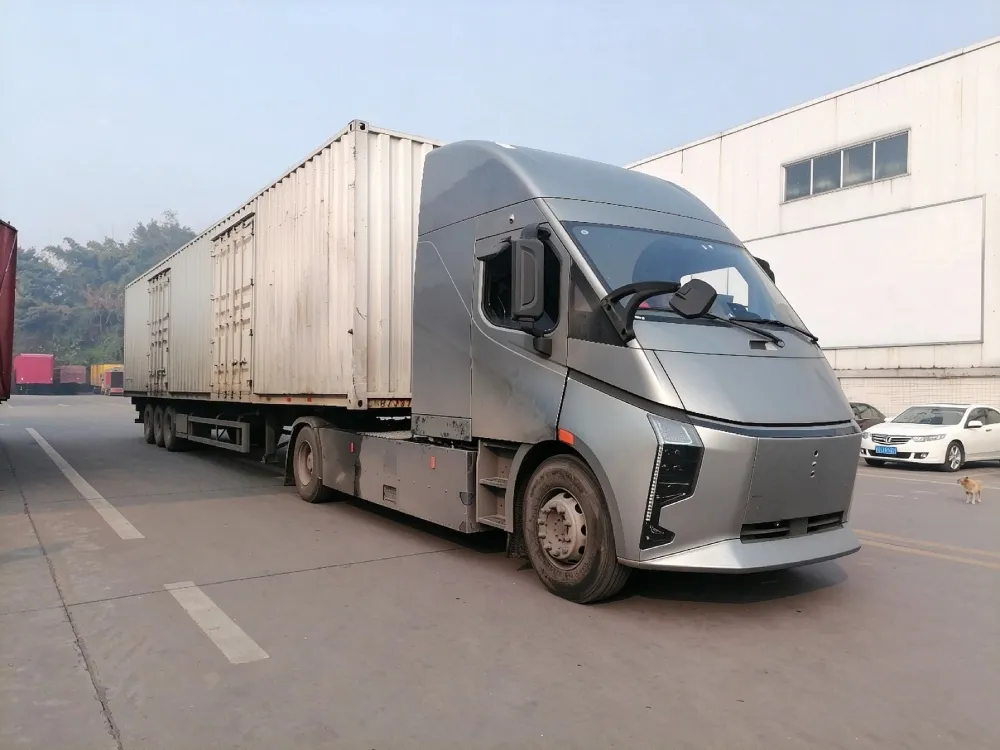
2.3 Electric Axle for 6×4 Standard-Load Trucks
A 6×4 heavy-duty truck has two driven axles. Depending on the vehicle’s power requirements, each axle may use a single-motor configuration.
For standard-load resource transportation, two single-motor electric axles can provide the required traction and power distribution. The combined output of the two axles should be evaluated against the vehicle’s starting, acceleration, climbing and cruising requirements.
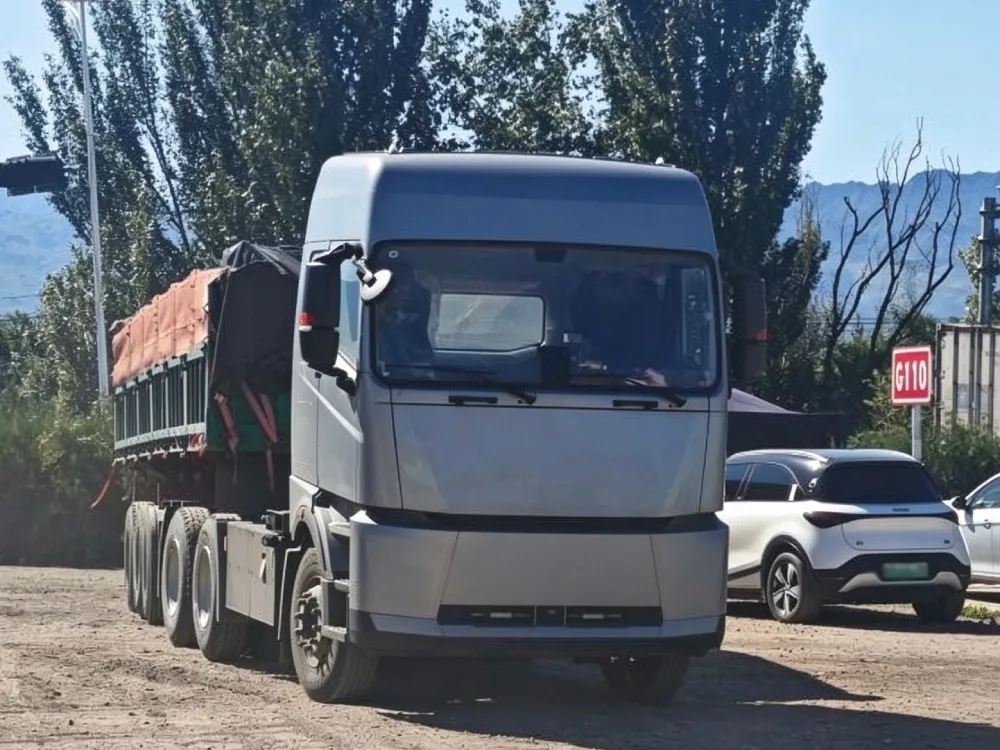
2.4 Electric Axle for 6×4 Mining and Heavy-Haul Trucks
Mining and heavy-haul applications often involve high payloads, low operating speeds and frequent steep gradients.
These conditions place greater demands on low-speed wheel-end torque and sustained power delivery. A higher-output electric axle configuration may be required. In some vehicle designs, one driven axle may use a dual-motor system while the other uses a single-motor system.
The final arrangement also needs to account for axle spacing, installation space, axle load distribution, traction and thermal management.
3. How Do Dual-Motor Electric Axles Work in Heavy-Duty Trucks?
A dual-motor electric axle for heavy-duty trucks can support different operating combinations, depending on its transmission architecture and electronic control strategy.
| Operating Condition | Possible Motor Operation | Main Objective |
|---|---|---|
| Heavy-load starting or steep climbing | Both motors operate in low gear | Deliver high starting torque |
| Heavy-load, medium-speed operation | Motors operate in different gear stages where supported | Match torque delivery to driving conditions |
| Highway cruising | Both motors operate in suitable higher gear stages | Maintain the required vehicle speed |
| Light-load or unloaded operation | One motor may be disengaged or switched off, if supported by the system design | Reduce unnecessary motor losses |
The available driving modes depend on the mechanical transmission layout, clutch arrangement and control strategy.
Operating one motor under light-load conditions may improve efficiency when the remaining motor operates closer to its efficient range. The actual energy benefit needs to be evaluated using motor efficiency maps, transmission losses, vehicle speed and load conditions.
4. System Integration and Fault Management for Heavy-Duty Truck Electric Axles
Dual-motor electric axles require coordinated control of two traction motors and their associated transmission components. This places additional demands on powertrain integration and vehicle control.
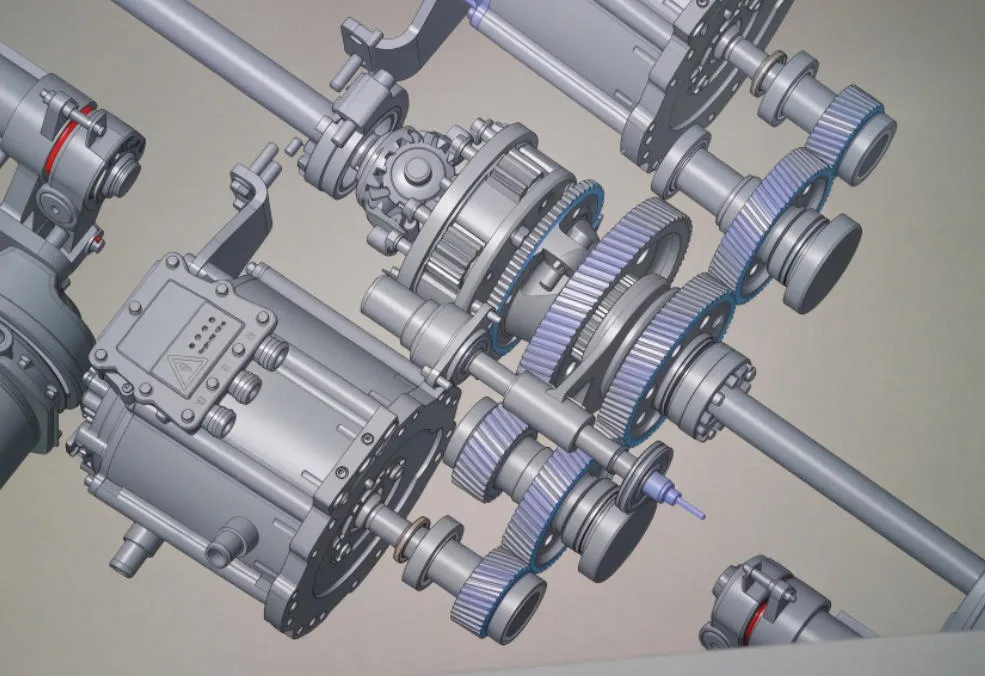
Several engineering aspects need to be addressed during integration.
- Motor coordination and torque distribution: The control system needs to manage motor output, operating states and torque distribution under different driving conditions.
- Transmission and shift control: The transmission architecture determines how the two motors work together across different gear stages. Shift coordination and torque transitions need to be calibrated for the vehicle’s operating requirements.
- Thermal management: Both motors and their controllers generate heat under high-load operation. Cooling capacity and temperature management should be checked against continuous operating conditions.
- Fault detection and response: A dual-motor configuration does not automatically mean that a vehicle can continue driving after one motor fails. Whether the remaining motor can provide propulsion depends on the mechanical power path, electrical isolation, control strategy and vehicle safety requirements.
For some heavy-duty truck applications, the safety strategy requires the vehicle to stop for inspection and repair following a motor fault. Normal single-motor operation, when designed as an operating mode, should not be confused with emergency operation after a motor failure.
5. How to Choose the Right Electric Axle for Heavy-Duty Trucks
Before selecting an electric axle for a heavy-duty truck, vehicle manufacturers should evaluate the following parameters as a complete system.
| Evaluation Area | Key Parameters |
|---|---|
| Vehicle requirements | GVW, GCW, payload and vehicle configuration |
| Axle requirements | Axle load, driven axle arrangement and installation dimensions |
| Motor performance | Rated power, peak power, torque and continuous operating range |
| Transmission | Number of gears, gear ratios and shift strategy |
| Driving performance | Starting capability, gradeability, acceleration and maximum speed |
| Energy efficiency | Typical driving speed, load profile and duty cycle |
| System integration | VCU/CAN communication, cooling, braking and fault management |
| Maintenance | Reliability, service access and fault diagnosis |
Peak power, rated power and output torque need to be evaluated together.
For example, a truck that frequently climbs steep roads under full load needs sufficient continuous power and low-speed wheel torque. A highway truck operating at a relatively stable speed may place greater emphasis on efficient cruising and suitable transmission ratios.
The electric axle configuration should therefore be matched to the truck’s actual load profile, road conditions and operating cycle.
6. Frequently Asked Questions About Electric Axle for Heavy-Duty Trucks
What is an electric axle for a heavy-duty truck?
An electric axle for a heavy-duty truck integrates the traction motor, transmission and axle assembly into a drivetrain unit. It delivers driving torque to the wheels and can be designed with single-motor or dual-motor configurations.
Is a dual-motor electric axle better for heavy-duty trucks?
A dual-motor electric axle provides higher combined power potential and can support different motor operating modes. A single-motor configuration may be sufficient when its power, torque and gradeability meet the truck’s requirements. The choice depends on vehicle weight, road conditions and duty cycle.
Can a dual-motor electric axle operate with only one motor?
Some dual-motor electric axle designs support single-motor operation under selected driving conditions. This depends on the transmission architecture and control strategy.
Can a heavy-duty electric truck continue driving if one motor fails?
Not necessarily. Continued operation depends on the mechanical design, fault isolation strategy and vehicle safety requirements. Some applications require the vehicle to stop for inspection and maintenance.
What information is needed to select an electric axle for a heavy-duty truck?
Important information includes vehicle weight, axle load, vehicle configuration, target maximum speed, gradeability, typical driving conditions, motor power requirements and installation dimensions.
7. Jenwyn Tech Electric Axle for Heavy-Duty Trucks
Jenwyn Tech offers single-motor and dual-motor electric axle configurations for different commercial vehicle platforms. The following heavy-duty truck eAxle models illustrate the differences in motor power, output torque and transmission design.

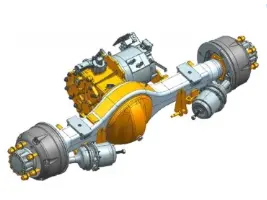
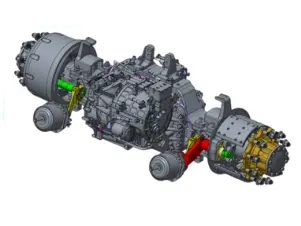
7.1 Single-Motor Electric Axle Models
| Model | Motor Configuration | Rated / Peak Power | Maximum Output Torque | Gear Ratios | Vehicle Application |
|---|---|---|---|---|---|
| JEA105-200-SM-01 | Single motor, multi-speed | 200 / 350 kW | 28,000 N·m | 46.4 / 27.7 / 15.3 | 4×2 heavy-duty truck, 9–10 m coach |
| JEA130-190-S4-01 | Single motor, four-speed | 190 / 310 kW | 39,089 N·m | 10.2 / 20.0 / 36.3 / 71.0 | 6×4, 4×2 heavy-duty truck |
| JEA130-200-SM-01 | Single motor, multi-speed | 200 / 350 kW | 44,000 N·m | 14.42 / 17.98 / 34.16 / 54.42 | 6×4 heavy-duty truck |
| JEA130-160-S2-01 | Single motor, two-speed | 160 / 250 kW | 41,440 N·m | 59.205 / 19.735 | 6×4, 4×2 heavy-duty truck |
7.2 Dual-Motor Electric Axle Models
| Model | Motor Configuration | Rated / Peak Power | Maximum Output Torque | Gear Ratios | Vehicle Application |
|---|---|---|---|---|---|
| JEA130-380-D4-01 | Dual motor, four-speed | 2 × 190 / 2 × 310 kW | 45,000 N·m | Multi-stage transmission | 4×2 heavy-duty truck |
| JEA130-400-DM-01 | Dual motor, multi-speed | 2 × 200 / 2 × 350 kW | 43,500 N·m | 51.925 / 32.535 / 17.922 | Tractor unit |
7.3 What Do These Electric Axle Specifications Tell Us?
These Jenwyn Tech electric axle models illustrate several engineering considerations for heavy-duty truck powertrains:
- Motor power and configuration: The dual-motor models use two traction motors. For example, the JEA130-400-DM-01 has two 200 kW rated motors and two 350 kW peak motors. Its combined rated and peak power are higher than those of the listed single-motor models.
- Transmission design: Single-motor electric axles can also use multi-speed transmissions to deliver high output torque across different vehicle speeds. Motor count alone does not determine the axle’s overall performance.
- Maximum output torque: The maximum output torque of an electric axle is influenced by motor torque and transmission ratios. For this reason, OEMs should evaluate output torque together with motor power when selecting an electric axle for heavy-duty trucks.
- Vehicle compatibility: Axle load capacity, installation dimensions, driven axle arrangement, braking configuration and chassis layout must all be checked before confirming a model for a specific truck platform.
The specifications above are product examples. Final model selection should be based on complete vehicle requirements and intended operating conditions.
Our Engineering Support
For heavy-duty truck projects, our engineering support covers:
- Electric axle configuration and model selection
- Motor power and output torque matching
- Transmission ratio and vehicle performance evaluation
- MCU matching and CAN communication
- Chassis installation and system integration support
- Explore our support here: https://jenwyntech.com/services/
- Explore our Electric Axle Solutions.
You can also get in touch with us to discuss your vehicle specifications and powertrain requirements at contact@jenwyntech.com or fill in the form below.