
Selecting an electric motor for a commercial vehicle starts with the vehicle’s operating requirements—not the highest power rating on a specification sheet. Vehicle mass, payload, target speed, gradients, duty cycle, voltage platform, cooling method and drivetrain ratio all affect the motor specification. A motor that performs well during short acceleration may not provide the continuous output required for long climbs or sustained heavy-load operation.
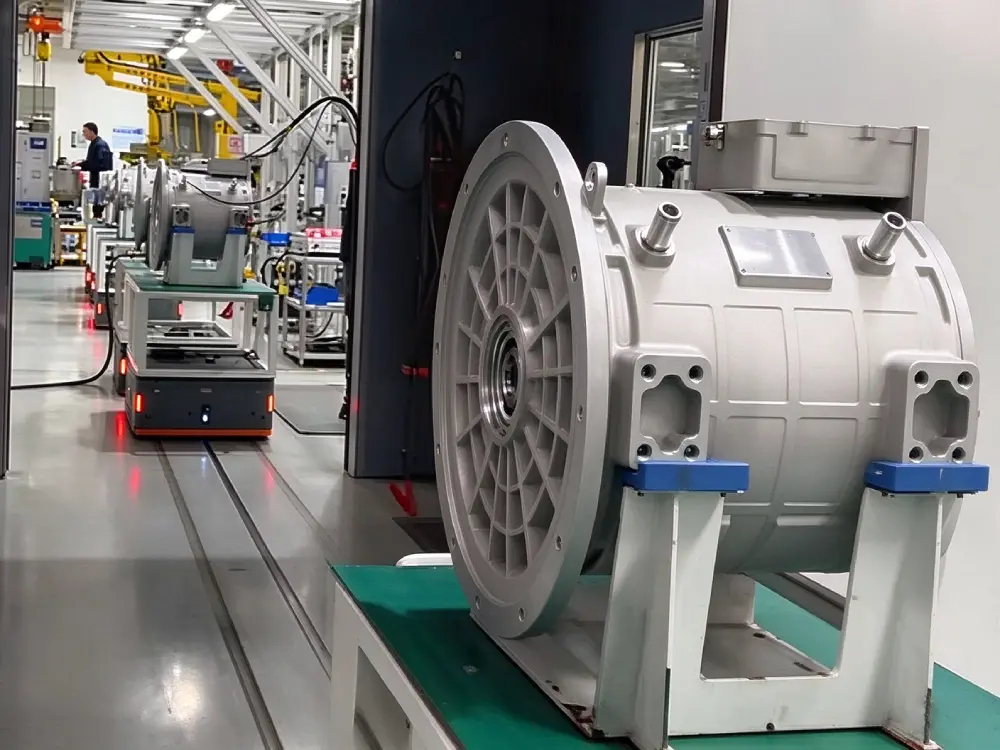
1. Define the vehicle duty cycle
Begin with the intended vehicle application: delivery truck, bus, regional cargo vehicle or off-highway machine. Document the loaded and unladen vehicle mass, payload, typical route, maximum gradient, stop-start frequency, target cruising speed and daily operating hours.
Urban delivery vehicles may experience frequent acceleration and braking, while vehicles working on gradients may need sustained high torque. These differences influence the required motor power, torque curve and thermal capability.
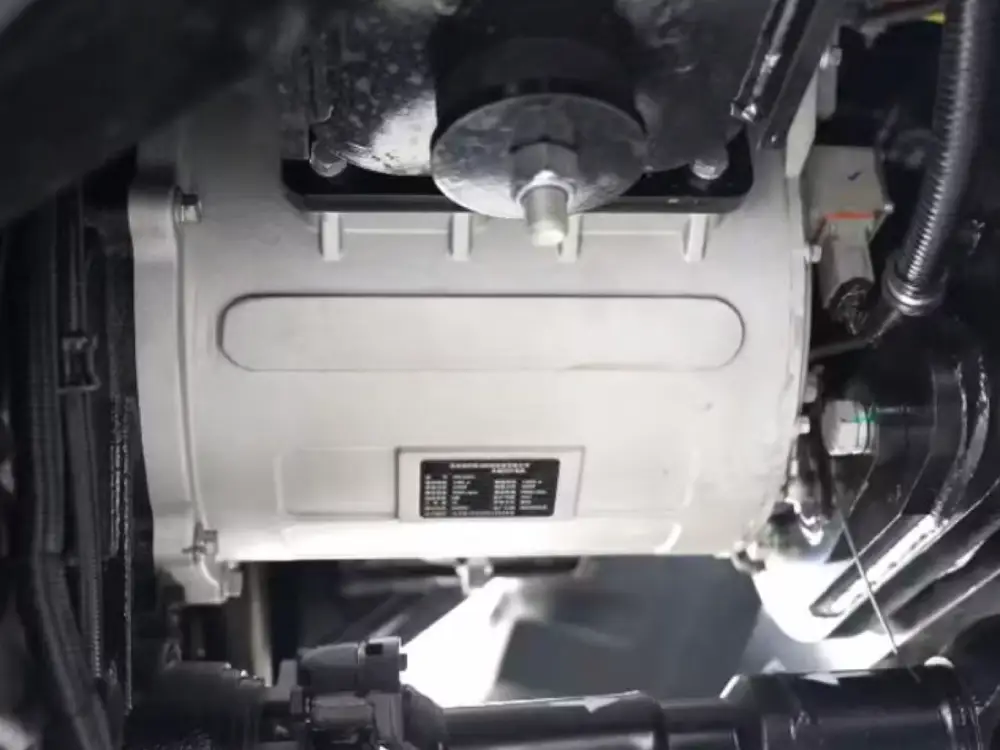
2. Evaluate rated power and peak power together
Rated power is important for sustained operation. Peak power describes higher output available for a limited period, subject to the motor and controller’s defined operating limits.
Peak power can help with launch, acceleration and short high-load events, but it should not be treated as continuously available power. When comparing candidate motors, confirm the peak-power duration and the conditions under which the rated output can be maintained. A separate guide to rated versus peak power can help teams evaluate these two specifications in more detail.
3. Check torque and maximum speed
Power alone does not describe how a motor delivers force across the speed range. Torque is especially relevant during launch and low-speed operation; maximum rotational speed affects the usable operating range and the required reduction ratio.
The motor, transmission or eAxle ratio and tire size work together to determine wheel torque and vehicle speed. A suitable selection therefore needs a wheel-level performance check rather than a motor-rating comparison alone.
4. Match the voltage platform
The motor and controller must be compatible with the vehicle’s high-voltage system across its actual operating voltage range. Check nominal voltage, minimum and maximum battery voltage, current limits, insulation requirements, connector specifications and controller compatibility.
A voltage mismatch can affect performance and may require changes elsewhere in the electrical architecture. Confirm the complete operating range, not just a nominal voltage value.
5. Choose a cooling approach for the duty cycle
Motor cooling must remove heat under the intended load and ambient conditions. Water-cooled and oil-cooled designs have different thermal arrangements and system requirements. The appropriate option depends on continuous output, operating time, packaging, cooling circuit design and the motor’s validated limits.
Do not assume that one cooling method is best for every vehicle. Ask for the applicable continuous-power conditions and required cooling parameters during specification review.
6. Review integration requirements
Before freezing the motor specification, check:
- Mechanical mounting dimensions and available space
- Controller compatibility and control interfaces
- CAN communication requirements
- Cooling connections and heat rejection
- Rated and peak torque across the speed range
- Environmental protection and operating temperature limits
- Required validation at component and vehicle level
For OEM projects, drawings and interface data should be reviewed early enough to avoid redesign during prototype integration.
A practical motor-selection checklist
| Parameter | What to confirm |
|---|---|
| Vehicle and payload | Loaded mass, axle loads and intended application |
| Duty cycle | Route, gradients, stop-start frequency and continuous load |
| Power | Rated output, peak output and peak duration |
| Torque and speed | Required wheel torque, motor speed range and reduction ratio |
| Electrical system | Battery voltage range, controller and current limits |
| Thermal system | Cooling method, coolant conditions and continuous operating requirements |
| Integration | Mounting, wiring, CAN, packaging and validation scope |
FAQ
Should I select a motor based on peak power?
No. Peak power is only one part of the specification. Rated output, torque curve, thermal limits and peak duration must also meet the intended duty cycle.
Can the same motor work in different vehicle types?
Potentially, but suitability depends on torque and speed requirements, cooling, mounting, controller compatibility and operating conditions. Each application needs a technical review.
Is motor selection separate from eAxle selection?
They are closely related. Motor characteristics, reduction ratio, axle capability and tire size must be considered together to meet wheel-performance requirements.
Jenwyn Tech traction motor support
Jenwyn Tech supplies traction motors and integrated drive solutions for commercial EV applications. The available portfolio spans multiple power levels and configurations; the correct specification should be confirmed for each vehicle platform rather than inferred from a broad product range.
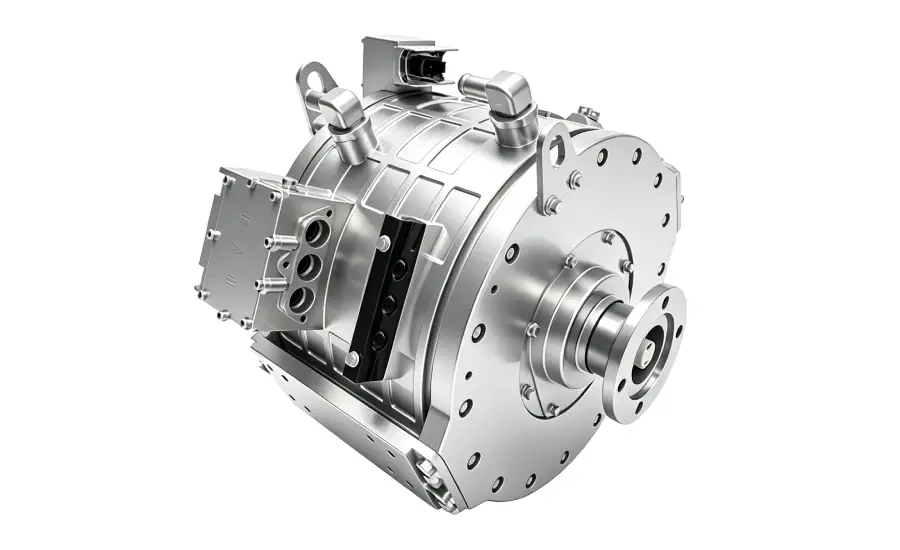
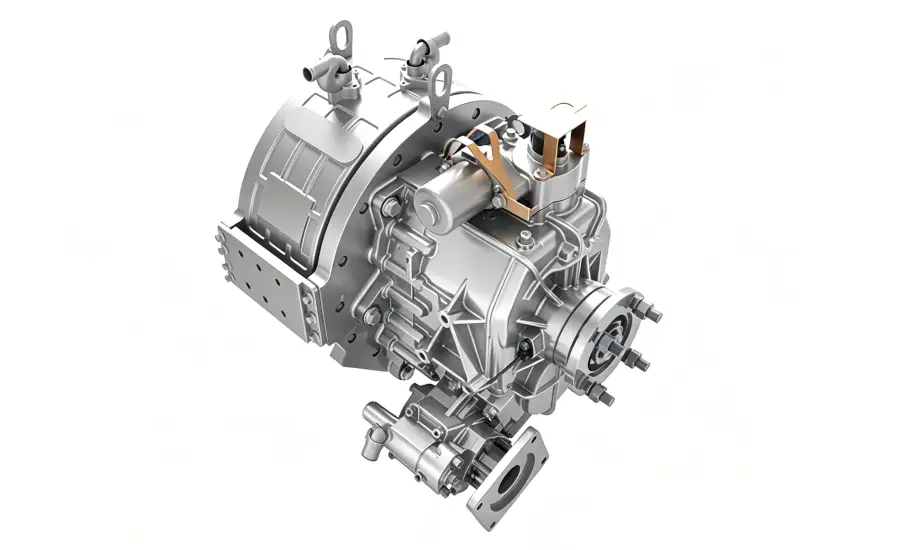
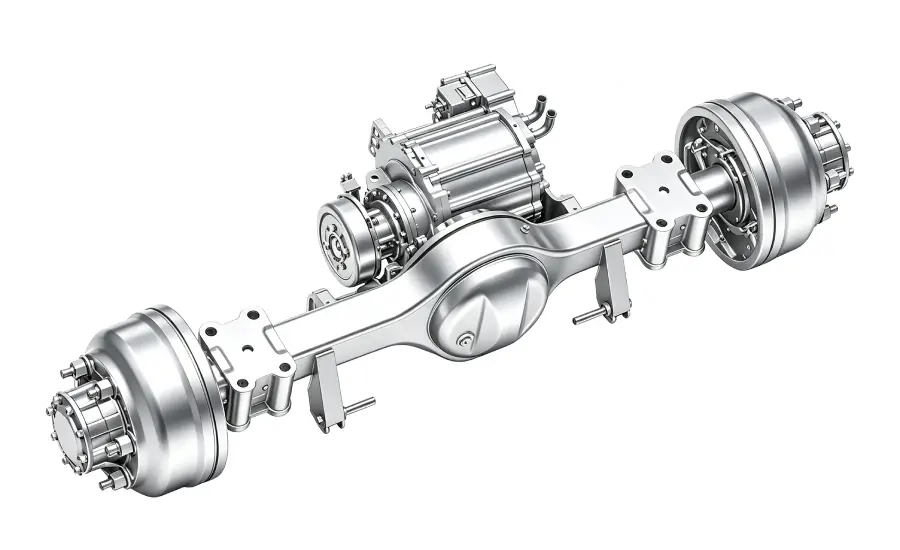
For a useful first review, share the vehicle mass, payload, target speed, maximum gradient, duty cycle, battery voltage range and available installation space. Jenwyn Tech can use these requirements to help evaluate the relevant motor or integrated drive configuration.
You can get in touch with our team at contact@jenwyntech.com or fill in the form below.