
The electric bus voltage platform has become an increasingly important consideration as manufacturers continue to develop higher-performance electric bus architectures.
For more than a decade, 600V-class systems have been widely used in battery-electric buses. The technology is mature, the component supply chain is well established, and the existing charging infrastructure in many applications is built around similar voltage ranges.
However, the industry is beginning to move beyond this established architecture.
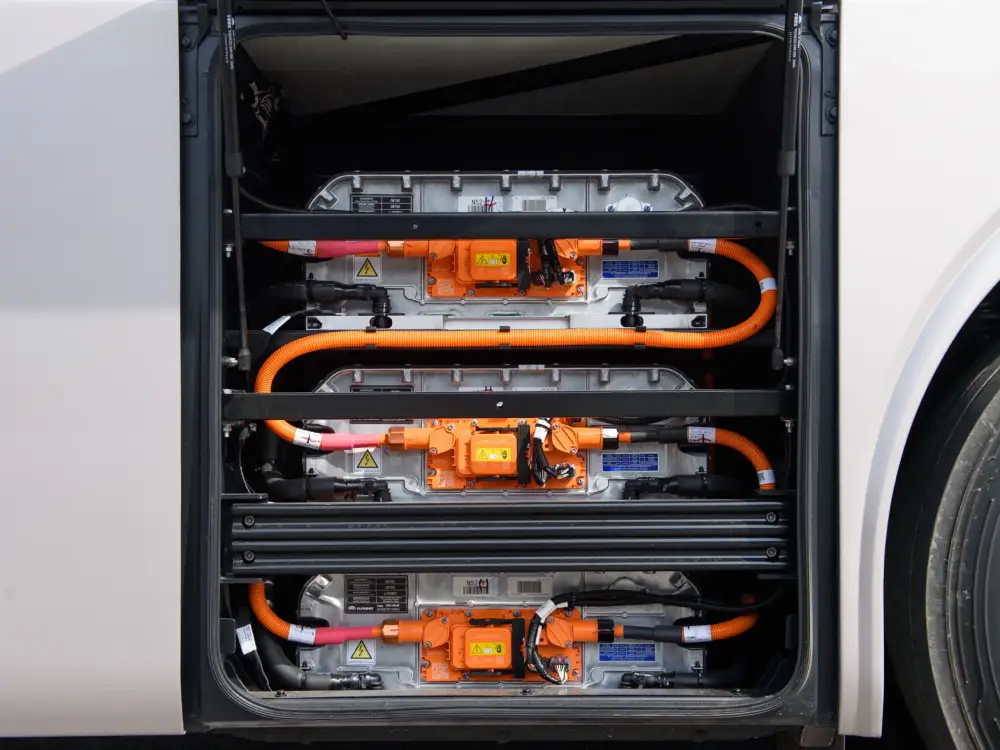
Recent electric bus developments include 800V platforms and new systems approaching 1,000V. This raises a practical question for bus manufacturers and operators: if 600V is already sufficient for most applications, what does moving to a higher voltage actually change?
The answer involves more than the vehicle’s electrical specifications. Charging infrastructure, system efficiency, component cost and thermal management all need to be considered.
600V-Class Electric Bus Voltage Platform Remains a Mainstream Choice
China’s electric bus market provides a useful example of the continued use of 600V-class battery systems. Recent production electric buses include models with nominal battery voltages such as:
| Vehicle | Nominal Battery Voltage | Market Status |
|---|---|---|
| Yutong C11E | 579.6V | Entered operation in 2025 |
| Yutong E7 | 618.2V | Entered mass production |
| Yutong C8E | 656.8V | Entered operation in 2025 |
| Earlier 12-metre electric buses | 563V | Earlier-generation platforms |
These examples show that 600V-class battery systems continue to be widely used in electric buses.
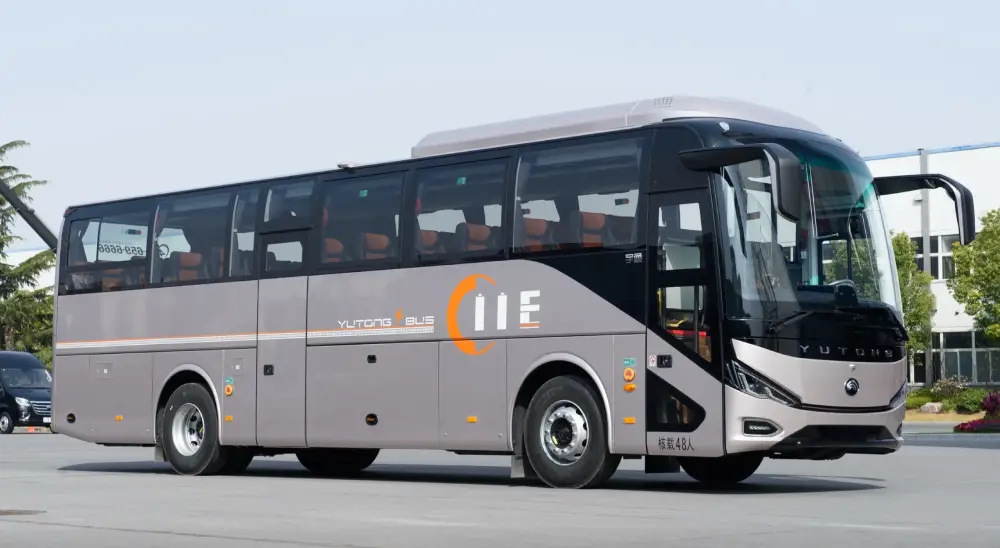
The architecture has been proven through years of vehicle operation and benefits from a mature supply chain and established charging infrastructure.
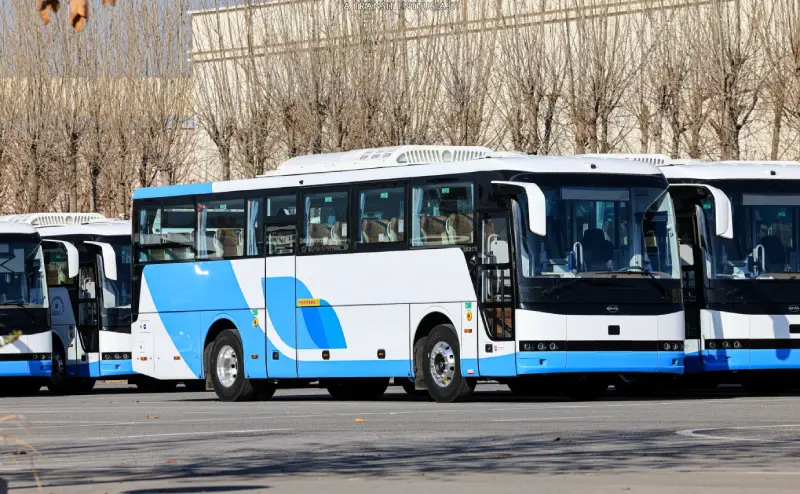
At the same time, higher-voltage platforms are beginning to enter the market. BYD introduced its 1000V e-Bus 3.0 architecture, while Mercedes-Benz has introduced an 800V battery-electric bus platform.
So, if 600V remains widely used, why increase the voltage?
Why Can a Higher Electric Bus Voltage Platform Improve System Efficiency?
The basic relationship is straightforward: Power = Voltage × Current
For the same power output, increasing the system voltage reduces the current required. Moving from 600V to 800V, for example, reduces the required current by approximately 25% at the same power level. That lower current can create several potential benefits.
1. Lower Current Can Reduce Electrical Losses
Electrical losses in conductors are proportional to the square of the current: P = I²R
If current is reduced by 25%, the theoretical resistive loss can decrease by approximately 44%, assuming conductor resistance remains unchanged. This is one reason higher-voltage architectures can improve electrical efficiency.
For a 12-meter electric bus operating approximately 200 km per day with an energy consumption of around 80–100 kWh/100 km, lower high-voltage wiring losses can translate into measurable energy savings over a full year of operation.
The actual result, however, depends on the complete electrical architecture and whether components such as cables are redesigned for the higher-voltage system.
2. Higher Voltage Can Support Higher Charging Power
The difference in charging performance is often easier to understand.
Where the charging system is limited by current capacity, a higher voltage can support a higher power level. For example, a 600V-class bus using a 120 kW charging system may require more than two hours to charge a battery pack of around 280 kWh under certain conditions. A higher-voltage platform combined with higher-power charging equipment can significantly reduce charging time.
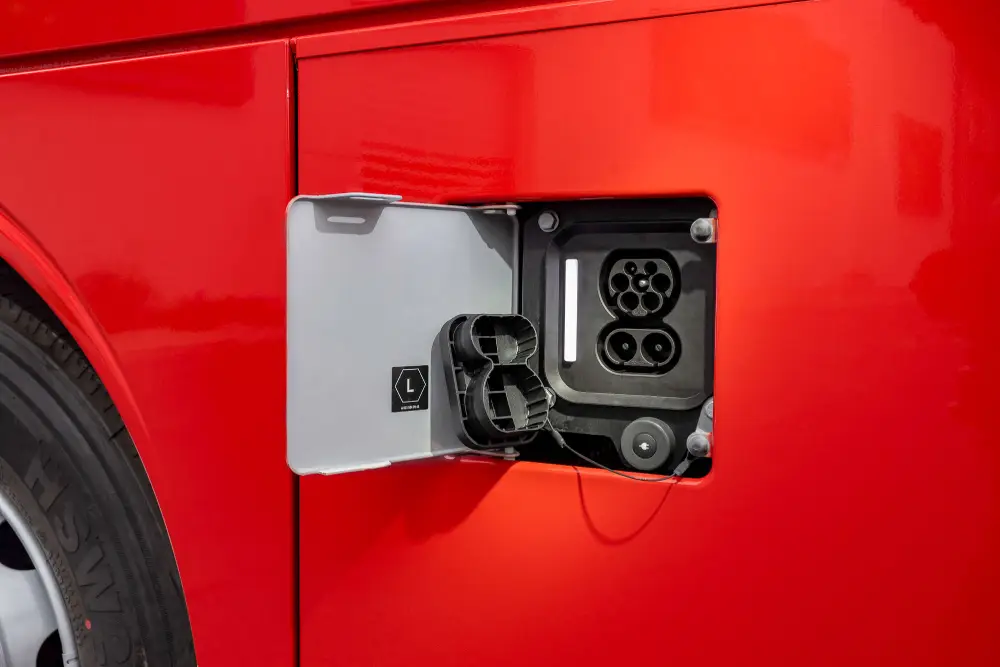
But there is an important limitation: the charging infrastructure must also support the higher voltage and power level.
A higher-voltage vehicle connected to existing lower-power charging infrastructure will not automatically gain a significant charging-speed advantage. For bus operators, this is often one of the most important considerations.
3. Lower Current Can Support Vehicle Lightweighting
Lower current can allow the use of smaller high-voltage cables.
For a 12-meter electric bus, moving from a 600V to an 800V electrical architecture can potentially reduce the weight of the high-voltage wiring system. The saving from wiring alone may be limited, but lightweighting is typically achieved through multiple improvements across the vehicle.
Every reduction in vehicle weight can contribute to energy efficiency, particularly for buses operating continuously in urban environments.
But Higher Voltage Also Means Higher System Requirements
Higher voltage is not automatically a better solution for every vehicle. Moving to an 800V or higher-voltage electric bus voltage platform requires corresponding upgrades across the electrical system.
These may include:
- Higher-voltage-rated components
- Improved insulation design
- High-voltage connectors and protection systems
- Greater attention to creepage and clearance distances
- Updated high-voltage interlock strategies
- More demanding power electronics and thermal management requirements
As voltage increases, the additional cost and complexity are not always proportional. The engineering challenge is therefore to determine whether the benefits of higher voltage justify the additional requirements.
Three Practical Factors When Choosing an Electric Bus Voltage Platform
For a new electric bus project, voltage platform selection should not be based on vehicle specifications alone. Three practical factors are particularly important.
1. Charging Infrastructure
For many operators, this is the first issue to consider.
In China, a large number of electric bus depots were developed around existing charging systems designed for earlier-generation vehicle architectures. Many charging installations operate within voltage ranges suitable for 600V-class buses.
Moving to an 800V or 1,000V platform may require higher-power charging equipment and upgrades to the surrounding electrical infrastructure. Depending on the site, this can involve:
- Higher-power chargers
- Transformer upgrades
- Additional grid capacity
- New electrical distribution equipment
- Charging cable upgrades
Some Chinese fleet operators have adopted multi-gun charging strategies, allowing a vehicle to receive power through multiple charging connections rather than relying solely on a higher-voltage platform.
This approach demonstrates an important point: charging power can be increased through different system solutions.
For overseas projects, the infrastructure assessment will naturally depend on local charging standards, equipment and grid conditions.
2. Total Cost of Ownership
The second consideration is the balance between efficiency gains and system costs.
A higher-voltage platform can potentially reduce electrical losses and support faster charging. However, it may also require more expensive components and infrastructure. The actual TCO calculation depends on:
- Annual mileage
- Vehicle utilisation
- Electricity prices
- Charging requirements
- Vehicle operating life
- Component costs
- Infrastructure investment
For a bus with sufficient overnight charging time, the operational value of a higher-voltage architecture may be limited. For a high-utilisation bus that requires rapid charging between shifts, faster charging may have a much greater impact on fleet operations.
The economic value of an electric bus voltage platform therefore depends not only on energy efficiency, but also on how the vehicle is operated.
3. Thermal Management
Thermal management is another important consideration.
Electric buses operate under demanding conditions, including frequent acceleration and braking, low average speeds and repeated stops. These duty cycles place continuous demands on the electric drive system.
Higher voltage can reduce current for a given power output, but higher-power electrical components and increased power density can introduce new thermal requirements. When developing a higher-voltage electric bus, manufacturers need to consider:
- Motor controller cooling
- Power electronics thermal performance
- Battery thermal management
- System-level thermal integration
- Temperature margins under continuous operation
The voltage platform cannot be designed independently from the vehicle’s thermal management strategy.
600V vs 800V vs 1,000V: Which Platform Makes Sense?
There is no single answer for every electric bus application.
600V-Class: Mature and Practical
For many current electric bus applications, a 600V-class platform remains a practical solution.
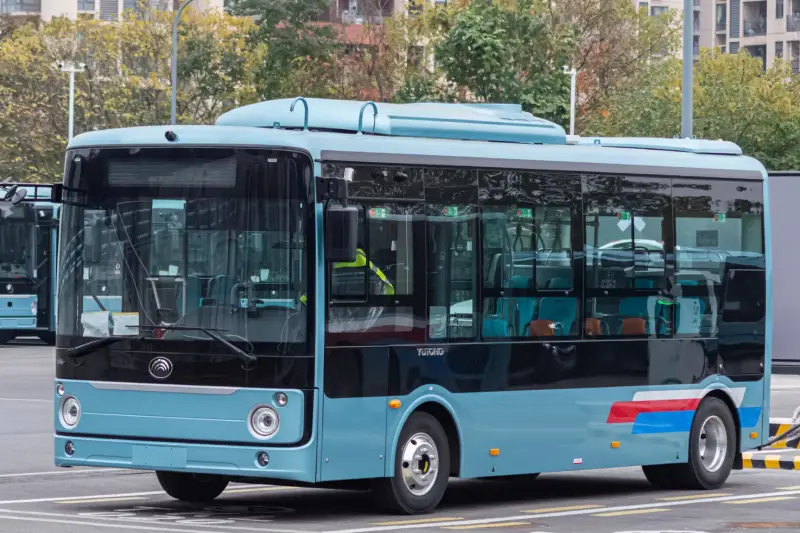
It benefits from:
- Mature vehicle technology
- Established component supply chains
- Proven reliability
- Existing charging infrastructure
For fleets with established depots and no immediate plans to upgrade charging equipment, a 600V-class architecture may remain the most practical choice.
800V: Higher Capability, Higher Requirements
An 800V electric bus voltage platform can provide additional capability, particularly where higher charging power is required.
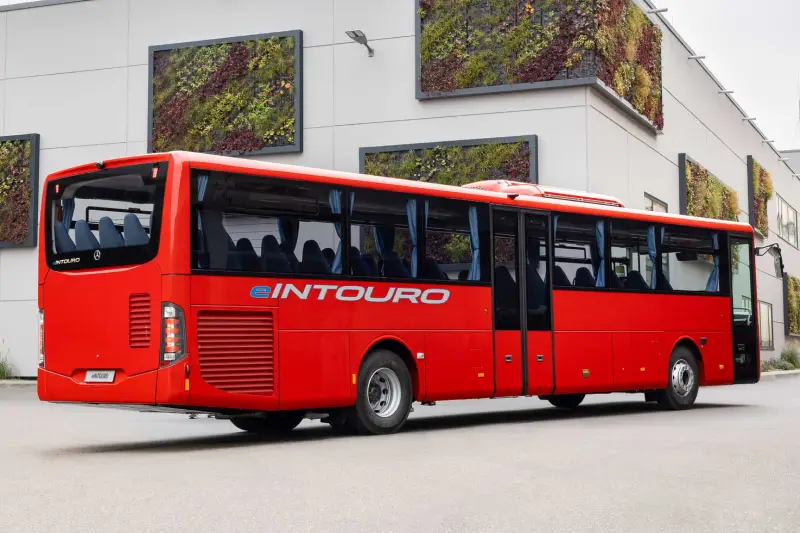
Potential benefits include:
- Lower current at the same power level
- Reduced electrical losses
- Higher charging-power potential
- Opportunities for electrical system optimisation
However, these benefits require compatible charging infrastructure and appropriately designed high-voltage components.
1000V: An Emerging Direction
Platforms approaching or reaching 1,000V represent a further step in commercial vehicle electrification.
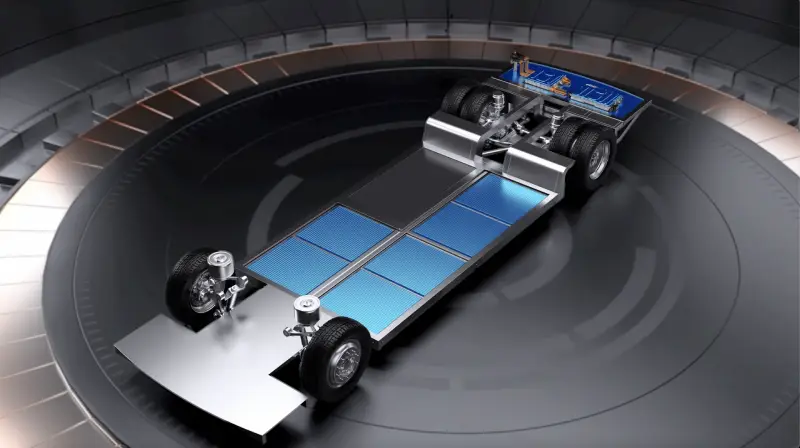
They may offer advantages in high-power applications, but also require the wider development of:
- High-voltage components
- Power electronics
- Battery systems
- Charging infrastructure
- Electrical protection systems
The wider adoption of these platforms will depend on how quickly the supporting infrastructure and supply chain develop.
Higher Electric Voltage Platform Is a System-Level Decision
The development of higher-voltage electric buses will continue, but several factors will determine how quickly different platforms are adopted.
Charging Infrastructure Remains a Key Factor
Vehicle technology can develop faster than charging infrastructure. Upgrading an entire bus depot requires significant investment, and many existing facilities may continue operating with their current charging systems for years. This means that mature 600V-class platforms are likely to remain relevant, particularly in fleets where existing infrastructure already meets operational requirements.
Component Economics Will Continue to Change
Higher-voltage power electronics and components continue to develop. Silicon carbide technology is increasingly used in high-voltage applications, but commercial vehicles require more than high electrical performance. Durability, thermal performance and long-term reliability are equally important. The economics of higher-voltage systems will therefore depend on the development of the complete commercial vehicle supply chain.
Safety Requirements Become More Demanding
Higher voltage also creates additional challenges in electrical safety and system integration. China, Europe and other markets have different technical and regulatory requirements for high-voltage electric vehicles.
For example, GB 38031-2025, which applies in China, introduces updated requirements related to battery safety and thermal events. These requirements should be considered within the context of the Chinese regulatory framework rather than treated as a universal international standard.
For globally developed electric buses, the electrical system must be designed according to the regulations and technical requirements of the target market.
Conclusion: 600V Is Still Enough—But Not for Every Future Application
For many electric bus applications, a 600V-class electric bus voltage platform remains fully capable of meeting current operational requirements. The technology is mature, charging infrastructure is already available in many applications, and the overall system architecture is well established.
However, “enough” does not mean development should stop.
For new vehicle platforms expected to remain in service for many years, particularly those operating at high utilisation levels or alongside new high-power charging infrastructure, 800V and higher-voltage systems may offer greater long-term flexibility.
The decision should not be based on voltage alone. It should begin with the actual operating conditions:
- How much power does the vehicle require?
- How and where will it be charged?
- What charging infrastructure is available?
- How intensively will the vehicle operate?
- Does the additional capability justify the additional system cost and complexity?
Choosing an electric bus voltage platform is not about selecting the highest voltage. It is about selecting the architecture that best matches the vehicle, its charging infrastructure and its real operating requirements.
Electric Powertrain Solutions for Electric Buses
Jenwyn Tech provides electric powertrain solutions for electric buses and coaches.
Our portfolio includes:
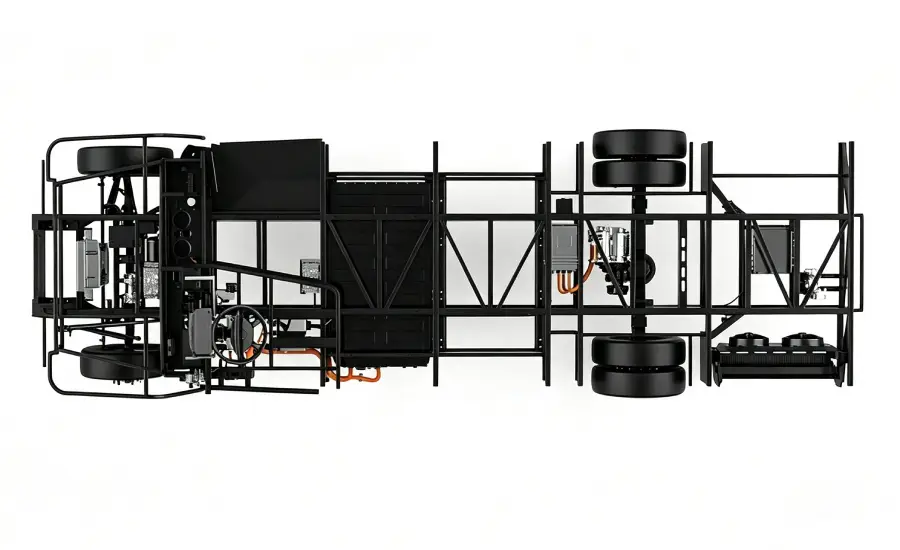
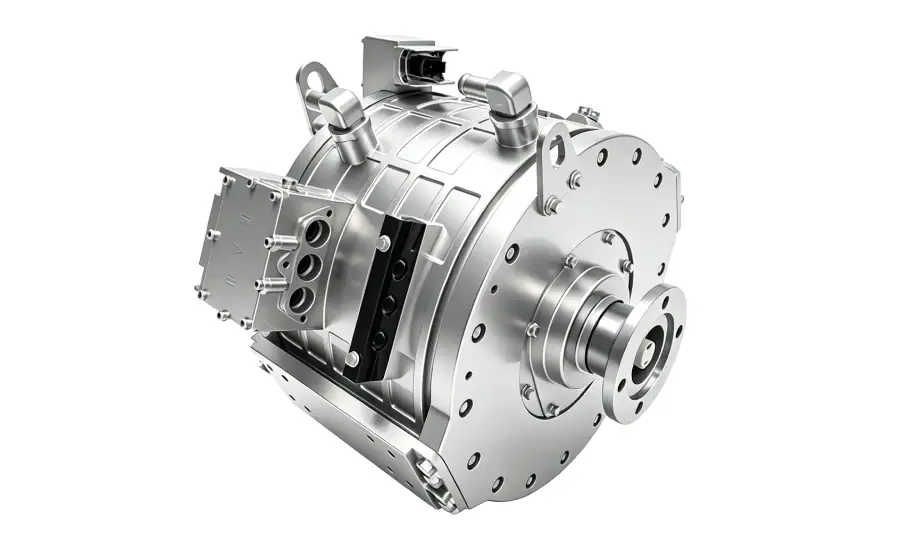
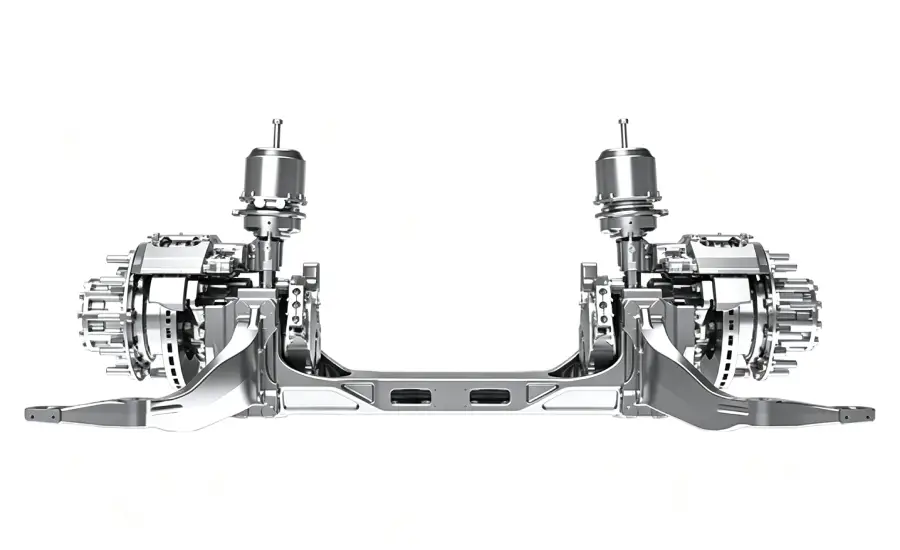
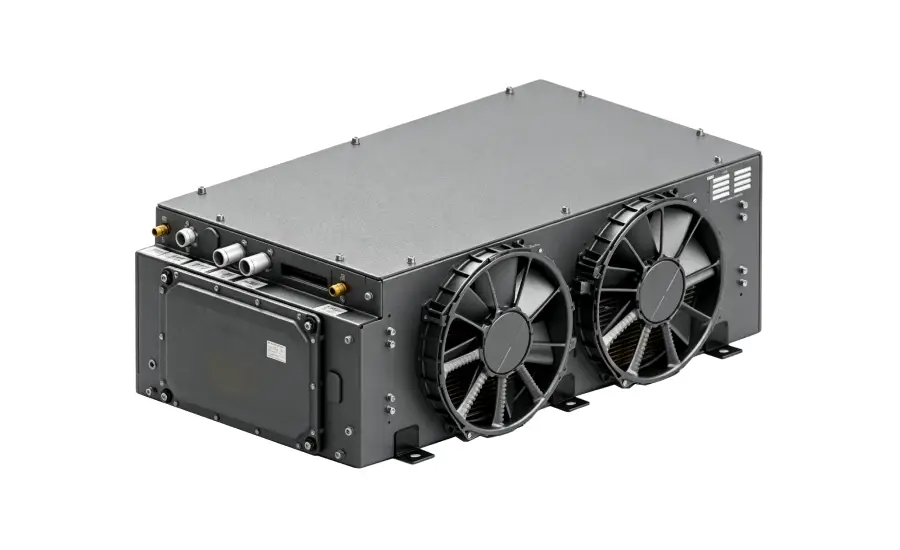

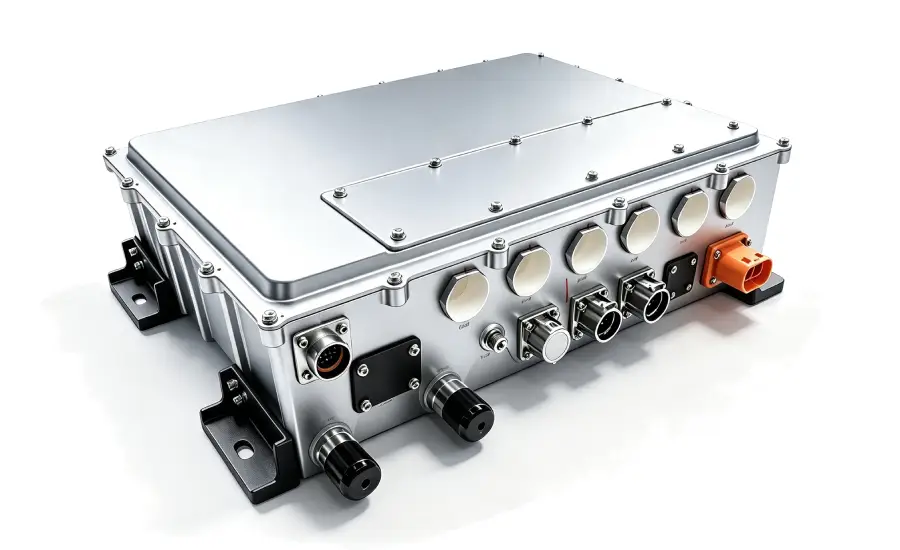
Different electric bus applications require different powertrain architectures and electrical configurations.
For OEMs, bus manufacturers and system integrators, Jenwyn Tech provides electric powertrain systems that can be matched to vehicle requirements and application conditions.
Email us at contact@jenwyntech.com or fill out the inquiry form below to discuss your project requirements.